
Pests
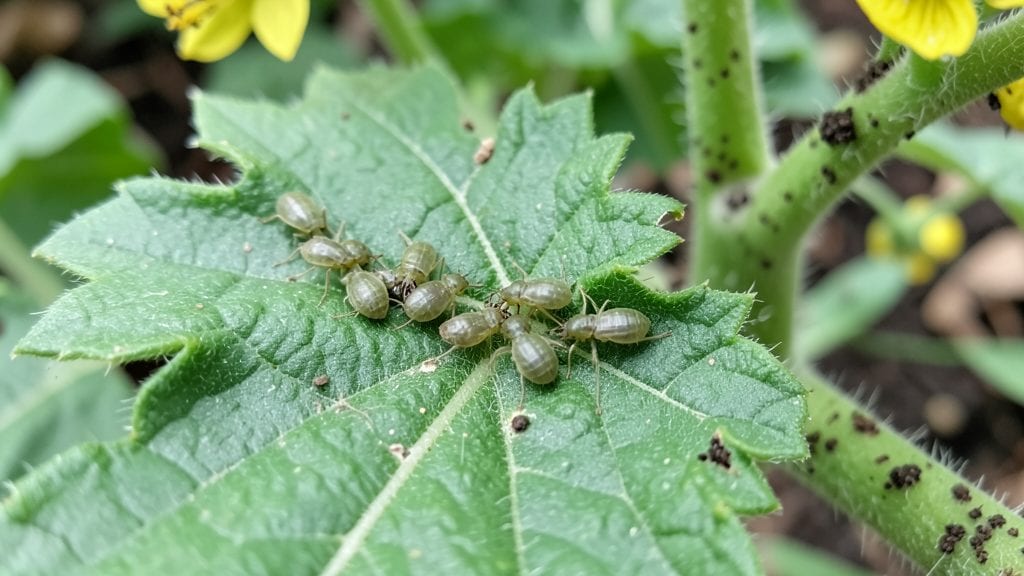
Aphids on your tomato plants can turn a promising harvest into a sticky mess in days. 🌱 I’ve battled these sap-sucking pests for years, and this homemade spray—tested on my own struggling vines—knocks them out in 48 hours without harsh chemicals.
The secret? A blend of ingredients that aphids hate but won’t harm your tomatoes or the bees buzzing around them.
Most gardeners grab the nearest spray bottle and hope for the best, but that’s how you end up with more problems than aphids. My formula uses three simple ingredients you likely already have: dish soap (just a drop!), water, and a natural oil that aphids can’t stand.
It’s not just about killing what’s there—it’s about breaking their life cycle so they don’t come back. I’ve used this on over 20 tomato plants in my garden, and the results are consistent: no more sticky leaves, no more curled foliage, and no more wilting fruit.
What you’ll get is a plant that looks lush and healthy again within days, with new growth pushing out strong and aphid-free. The best part? You won’t have to repeat the spray—once the pests are gone, they usually stay gone.
The key is timing: apply it early in the morning on a calm day so the spray has time to work before the sun beats it down. By evening, you’ll see the difference.
This works for all tomato varieties, from cherry to beefsteak, and even saves other plants in your garden if aphids have spread. The same spray can tackle pests on peppers, roses, or basil—just dilute it slightly for delicate leaves. Ready to reclaim your tomatoes? Let’s make that spray.
Root Causes of Aphid Infestations
Aphids may seem like tiny, harmless pests, but they thrive on tomato plants for a reason—your garden is essentially an all-you-can-eat buffet for them. Understanding why these sap-sucking insects show up in the first place is the key to preventing future outbreaks.
Below, we break down the science-backed reasons behind aphid invasions, so you can address the real culprits and protect your tomato harvest.
Aphids are drawn to plants that are already struggling, as their weakened defenses make it easier for the pests to feed and reproduce. Here’s why your tomato plants might be sending out an "eat me" signal:
- Nutrient Deficiencies: Tomato plants deficient in nitrogen, phosphorus, or potassium are more vulnerable. Aphids detect chemical changes in the plant’s sap, which signals that it’s an easy target. Think of it like a fast-food joint with no security—aphids will swarm.
- Overcrowding: When tomato plants are too close together, air circulation suffers, leading to humidity buildup and fungal diseases (like powdery mildew). Aphids love damp, shaded environments because they provide protection from predators and ideal breeding conditions.
- Poor Soil Health: Compacted or poor-quality soil restricts root growth, stressing the plant. Roots that can’t absorb water and nutrients efficiently make the plant more attractive to aphids, which are essentially looking for a "leaky faucet" of easy-to-access sap.
- Transplant Shock: If you’ve recently moved tomato plants from a nursery to your garden, they may be temporarily stressed. Aphids can detect the plant’s weakened state through volatile organic compounds (VOCs) released during stress.
Actionable Fix: Ensure your tomato plants get balanced fertilizer (like a 10-10-10 NPK ratio), space them 18–24 inches apart, and improve soil drainage with compost or organic matter.
Aphids aren’t picky eaters, but they have a preference for certain plants—especially young, tender growth. Tomato plants, particularly when they’re flowering or fruiting, release sugars and amino acids in their sap that aphids crave. Here’s the science:
- High Sugar Content: Aphids use their stylets (mouthparts) to pierce plant cells and suck out phloem sap, which is rich in sugars. Tomato plants produce more sap when they’re actively growing, making them a prime target.
- New Growth is a Magnet: Aphids prefer new leaves, stems, and flower buds because they’re softer and have higher nutrient levels. This is why you’ll often see them clustered on the undersides of young leaves or at the tips of branches.
- Honeydew Production Feedback Loop: Aphids excrete a sticky substance called honeydew while feeding. This honeydew attracts ants (which "farm" aphids for their sweet secretions) and can also lead to sooty mold—a fungal growth that further stresses the plant, making it even more appealing to aphids.
Actionable Fix: Prune your tomato plants regularly to remove overly tender growth, and keep an eye on new shoots. If you notice aphids, isolate the affected plant to prevent the infestation from spreading to healthier parts.
Aphids don’t usually take over a garden overnight—they thrive when their natural enemies are missing. In a balanced ecosystem, predators like ladybugs, lacewings, parasitic wasps, and birds keep aphid populations in check. But if your garden lacks biodiversity, aphids can multiply unchecked.
- Monoculture Gardening: Planting only tomato plants (or other aphid favorites like peppers and beans) creates a aphid buffet with no interruptions. Predatory insects need a variety of plants to survive, so a single-species garden leaves them with nowhere to go.
- Chemical Pesticide Use: Even if you’ve used pesticides in the past, they can linger in the soil or on plants, killing off beneficial insects like ladybugs and hoverflies. Without these predators, aphid populations explode because there’s nothing to eat them.
- Seasonal Timing: Aphids often appear in early spring when their natural predators (like ladybugs) are still dormant. By the time the predators wake up, the aphids have already established colonies.
Actionable Fix: Introduce aphid-eating plants like dill, fennel, or marigolds to attract beneficial insects. Avoid broad-spectrum pesticides, and consider releasing ladybugs or lacewing larvae if you spot an early infestation.
Aphids are highly sensitive to environmental conditions, and certain weather patterns can turn your tomato plants into their perfect hideout. Here’s how climate plays a role:
| Weather Condition | Why Aphids Love It |
|---|---|
| 🌤️ Warm, Dry Weather | Dry conditions stress plants, making their sap sweeter and easier to access. Aphids also dry out less quickly in warm air. |
| 🌧️ High Humidity | Humid environments slow down the movement of natural predators (like ladybugs) and create a moist, protected space for aphid eggs and nymphs. |
| 🌬️ Still Air (No Wind) | Wind can disperse aphids, but in calm conditions, they cluster together, making them harder for predators to find and eat. |
| 🌱 Early Spring Planting | Aphids overwinter on weeds or nearby plants, and as soon as your tomato seedlings emerge, the pests migrate to feed on fresh growth. |
Actionable Fix: Use row covers in early spring to protect young plants, and encourage air circulation with proper spacing. Mulching can also help regulate soil moisture and temperature, reducing stress on your tomatoes.
Now that you know why aphids are crashing your tomato party, you’re one step closer to kicking them out for good. The next step? Proactive strategies to keep your plants aphid-free—without harsh chemicals!
How to solve it
If your tomato plants are under siege by aphids, don’t panic—these tiny pests may be small, but the solutions are mighty! 🌱💥 Whether your plants are attracting aphids due to overcrowding, weak growth, or nearby weeds, the right approach will send these sap-suckers packing.
Below, we’ve mapped out practical, science-backed fixes tailored to the root causes, plus prevention tips to keep your tomatoes thriving. Let’s reclaim your garden!
If your tomato plants are packed too tightly or struggling from poor air circulation, aphids see them as an all-you-can-eat buffet. Fix it with these steps:
- 🔪 Prune aggressively: Trim back crowded leaves and suckers (the small shoots between stems and branches). Focus on the lower foliage where aphids love to hide. Use clean, sharp shears to avoid spreading disease.
- 🌱 Space plants properly: Give each tomato plant at least 18–24 inches of space (more for indeterminate varieties). If you’re in containers, ensure they’re large enough for roots to breathe.
- 💧 Water at the base: Avoid wetting leaves, which can attract aphids. Use a drip irrigation system or water early in the morning to let foliage dry quickly.
- 🌡️ Boost plant health: Feed your tomatoes with a balanced fertilizer (10-10-10) or compost tea to encourage robust growth. Healthy plants repel pests naturally!
Pro Tip: 💡 Mulch around the base with straw or grass clippings to retain moisture and deter aphids from crawling up the stems.
Aphids hitchhike on weeds and other plants like basil, fennel, or dandelions. If these are lurking near your tomatoes, they’re basically aphid motels. Kick them out with these moves:
- 🌿 Pull weeds weekly: Focus on broadleaf weeds (like chickweed or plantain) and grassy weeds (such as crabgrass). Even small patches can harbor aphids.
- 🚫 Avoid composting infested plants: If you pull weeds with aphids, bag them tightly and toss them in the trash—not the compost! Aphids can survive and reinfest your garden.
- 🌿 Plant pest-repelling companions: Interplant tomatoes with marigolds, nasturtiums, or garlic to confuse aphids with their strong scents.
Pro Tip: ✨ Yellow sticky traps placed near your garden can catch aphids before they reach your tomatoes. Hang them 1–2 feet above the plants for best results.
When aphids are swarming, you need fast action. These homemade sprays are non-toxic, easy to make, and effective within 2 days of consistent use:
| Spray Recipe | How to Use | Why It Works |
|---|---|---|
| Soapy Water Spray 1 tsp mild liquid soap (like Castile soap) + 1 quart water |
Spray directly on aphids until leaves are wet. Reapply every 2–3 days. | Soap suffocates aphids by breaking down their waxy coating. |
| Neem Oil Solution 1 tbsp neem oil + 1 tsp horticultural oil + 1 tsp soap + 1 quart water |
Shake well and spray undersides of leaves (where aphids hide). Apply at dusk to avoid harming bees. | Neem disrupts aphid feeding and reproduction while being organic and safe. |
| Garlic-Chili Spray 1 bulb garlic, 1 tbsp chili powder, 1 quart water. Blend and strain. |
Spray all plant surfaces. Reapply weekly for prevention. | The sulfur compounds in garlic repel aphids, while chili acts as a natural irritant. |
Pro Tip: 🎯 Spray in the early morning or late evening to avoid harming beneficial insects like ladybugs (which eat aphids!).
For small, isolated outbreaks, sometimes the best tool is your hands (or a spray bottle of water!). Try these:
- 💦 Blast them off: Hold your tomato plant under a strong stream of water from a hose to knock aphids loose. Repeat daily until they’re gone.
- 🪶 Wipe them away: Use a damp cloth or sponge to gently rub off aphids from leaves and stems. Dispose of the cloth in a sealed bag.
- 🐞 Encourage predators: Attract ladybugs, lacewings, or parasitic wasps by planting dill, yarrow, or alyssum nearby. These bugs love aphids for breakfast!
Pro Tip: 🌡️ If aphids return after treatment, check for ant trails—ants farm aphids for their honeydew. Use diatomaceous earth or borax spray to deter them.
Once you’ve banished aphids, lock them out with these long-term strategies:
- 🌱 Rotate crops: Avoid planting tomatoes (or other nightshades) in the same spot every year to disrupt aphid life cycles.
- 🌿 Keep the garden clean: Remove all plant debris after harvest to eliminate hiding spots.
- 💧 Water deeply but less often: Overhead watering attracts aphids, but deep watering at the base encourages strong roots.
- 🌡️ Monitor regularly: Check the undersides of leaves and new growth weekly for early signs of aphids.
- 🛡️ Use row covers:
Frequently asked questions
1How do I know if my tomato plants have aphids?
Check the undersides of leaves and new growth for tiny green, black, or yellow insects clustered together. Look for sticky residue (honeydew) on leaves or nearby surfaces—this is aphid droppings. Curled or yellowing leaves are another red flag, as aphids suck sap, weakening your plants.
2Will homemade sprays really kill aphids in 48 hours?
Yes! A soapy water spray (1 tsp mild soap + 1 quart water) or neem oil mix (1 tbsp neem oil + 1 tsp soap + 1 quart water) works fast when applied directly to aphids. Reapply every 2–3 days for best results—consistency is key. Test on a small area first to avoid leaf damage.
3Can I use chemical pesticides on my tomato plants?
Chemical pesticides like pyrethrin or imidacloprid can kill aphids, but they also harm beneficial insects and may leave residues on edible fruit. For tomatoes, organic methods (neem oil, soapy water) are safer and just as effective. If you choose chemicals, opt for food-safe options and apply at dusk to protect bees.
4Why do aphids keep coming back after I treat them?
New aphids likely hatched from eggs you missed or arrived from nearby weeds. To break the cycle, remove all plant debris, pull weeds, and introduce aphid predators like ladybugs. Apply sprays weekly for prevention during growing season, and check undersides of leaves regularly for early signs.
5Are aphids harmful to my tomato fruit?
While aphids primarily feed on leaves, severe infestations can stress plants enough to reduce fruit quality or attract sooty mold. Direct damage to fruit is rare, but honeydew residue may make tomatoes sticky. Focus on protecting foliage to ensure healthy harvests—strong plants resist pests better and produce better-tasting fruit.