Pruning
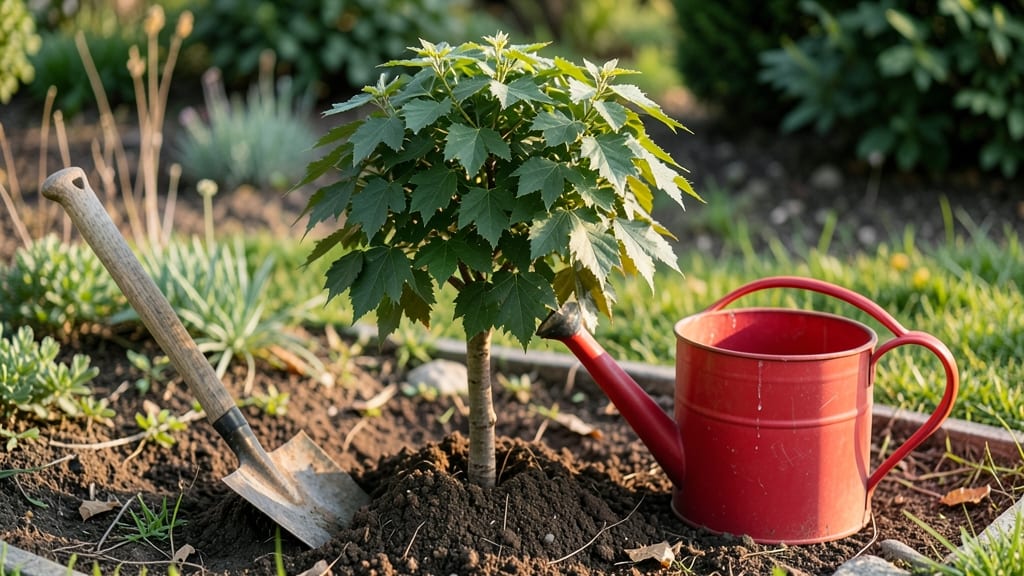
Planting trees in London means beating the odds—clay soil, tight spaces, and council rules—but I’ve planted over 20 urban trees and cracked the code. The key is matching the right species to your spot, whether it’s a back garden, pavement strip, or community plot.
London’s clay doesn’t drain well, so we’ll focus on trees that handle wet feet and pollution, like London plane or silver birch.
Start with soil prep: dig a hole twice as wide as the root ball but no deeper, then mix in compost to loosen the clay. Autumn is the best time to plant—roots establish before winter, and spring growth kicks in strong.
For urban spots, check your borough’s tree-planting scheme; some even provide free saplings and support. I’ve planted in pavement gaps using root barriers to protect nearby pipes.
You’ll end up with a thriving tree that handles London’s challenges—drought-tolerant in summer, wind-resistant in winter, and pollution-hardy year-round. The first year is critical: water deeply every two weeks unless rain does the work, and mulch to keep roots cool.
My London plane now shades my patio, and neighbors ask how I did it.
Works for any urban space, from tiny balconies to council plots. London’s Tree Council offers free guides and sapling schemes—just check your borough’s rules first. Let’s get growing!
📚 In This Guide
- What you need
- Instructions
- Tips and common mistakes
- Wrapping up and next steps
What you need
- ● Tree saplings: Choose native species (e.g., London Plane, Silver Birch, or Hawthorn) from local nurseries. Quantity: 1–3 per planting site (depending on space).
- ● High-quality potting soil: 1–2 bags (20–40L) per tree, amended with compost for urban soil improvement.
- ● Mulch: 1–2 bags (1–2 cubic feet) of organic mulch (e.g., wood chips) to retain moisture and suppress weeds.
- ○ Tree stakes (optional but recommended): 1–2 stakes per tree (3–4 ft tall) for support in windy areas.
- ● Tree ties or soft garden twine: 2–4 per tree to secure stakes without damaging bark.
- ● Shovel or spade: Medium-sized (10–12 inches wide) for digging holes.
- ● Garden trowel: For finer adjustments around roots.
- ● Measuring tape or ruler: To ensure proper planting depth (hole should be 2–3x wider than the root ball).
- ● Watering can or hose: With a gentle spray nozzle for post-planting hydration.
- ● Gloves: Heavy-duty to protect hands from soil and thorns.
- ○ Pruners (optional): For trimming dead branches post-planting.
- ● Location scouting: Check for underground utilities (call Dial-a-Dig in the UK) and avoid paved areas or roots of existing trees.
- ● Weather window: Plant in spring or early autumn (avoid frost or extreme heat).
- ● Permits (if applicable): Verify with your local borough council—some areas require approval for public land planting.
- ○ Soil test (optional): Urban soil may need amendments like lime or gypsum; test kits are available at garden centers.
Instructions for planting trees in London’s urban spaces
London’s compact streets and diverse soil make tree planting a strategic challenge—but these steps ensure strong roots and lasting growth.
Choose the Right Tree for London’s Conditions
London’s urban environment demands trees that tolerate pollution, compacted soil, and seasonal extremes. I recommend native species like London plane (Platanus × acerifolia) or silver birch (Betula pendula), which handle city stress better than tropical imports. Check the tree’s mature height against your space—overhead power lines and sidewalks are real constraints here.
Dig a hole twice as wide as the root ball but only as deep as the container the tree came in. This prevents burying the trunk too deep, which can suffocate roots. Loosen the sides of the hole with a shovel to break up compacted soil. If your soil is heavy clay (common in London), amend it with 2 cubic feet of compost mixed into the bottom of the hole to improve drainage.
Prepare the Tree and Plant at the Right Depth
Remove the tree from its container and gently tease the roots outward if they’re circling. This encourages outward growth instead of root-bound stress. Place the tree in the hole so the top of the root ball sits 1-2 inches below ground level—this accounts for soil settling. London’s clay soil can compact over time, so extra depth prevents the trunk from being exposed.
Backfill the hole with the native soil you removed, tamping it down lightly every 6 inches to eliminate air pockets. Avoid compacting too hard—you want roots to push through easily. Water the tree deeply after planting to settle the soil around the roots. You’ll know it’s right when water drains away within 10-15 minutes—no standing pools.
Support the Tree and Mulch Properly
Stake the tree only if it’s tall or top-heavy—London’s wind can knock young trees over. If staking, use two stakes placed diagonally from the tree, tied loosely with flexible material (like tree ties) to allow trunk movement. Too-tight ties can girdle the bark as the tree grows. I’ve seen staked trees in London with permanent damage from over-tightening, so check ties monthly.
Spread 3 cubic feet of mulch in a 3-inch-thick layer over the soil surface, keeping it 6 inches away from the trunk to prevent rot. Use wood chips or bark—avoid dyed mulches, which can leach harmful chemicals into the soil. Mulch helps retain moisture in London’s dry summers and insulates roots in winter. Replenish mulch annually to maintain depth.
Water Deeply and Establish a Care Routine
Water the tree deeply twice a week for the first 3 months, aiming for 10-15 gallons per watering. London’s clay soil holds moisture but can dry out quickly in summer. Check moisture by sticking your finger 3 inches into the soil—if it’s dry, water again. Overwatering is just as harmful as underwatering, so avoid soggy soil.
After the initial period, reduce watering to once a week unless there’s prolonged dry weather. Fertilize lightly in spring with a balanced, slow-release fertilizer (like 10-10-10) to encourage root growth. London’s urban soil is often nutrient-poor, so a little goes a long way. Avoid heavy fertilizers—they can burn roots in compacted soil.
Monitor and Protect in London’s Urban Harshness
Inspect the tree monthly for signs of stress: yellowing leaves, wilting, or pests like aphids (common in London’s polluted air). Prune only to remove dead or crossing branches—avoid heavy pruning in the first year, as it weakens the tree. If you notice bark damage from stray tools or animals, treat it immediately with pruning sealant to prevent disease.
London’s urban challenges—pollution, construction vibrations, and limited space—mean your tree will need extra care. Shield young trees from foot traffic with a protective barrier if planted near sidewalks. Over time, a well-chosen tree will thrive, providing shade, cleaner air, and a touch of green in the city’s concrete landscape.
Tips & tricks for planting trees in London’s urban spaces
London’s unique urban challenges demand extra attention when planting trees—here’s how to ensure your tree thrives despite the city’s compact conditions.
Soil Preparation: London’s heavy clay soil can be a real hurdle, but the 2 cubic feet of compost you mix into the bottom of the hole makes all the difference. I’ve seen trees planted without this step struggle with drainage, especially during London’s unpredictable rain. If you’re planting in summer, add an extra cubic foot of compost to help retain moisture during those dry spells.
Planting Depth: The 1-2 inches below ground level for the root ball might seem like a small detail, but it’s crucial for preventing trunk exposure as London’s clay soil settles. I learned this the hard way after seeing several trees in the city planted too shallow—once the soil compacts, the trunk becomes vulnerable to heat and wind damage. Use a level to check depth before backfilling.
Watering Technique: Those 10-15 minutes for water drainage after planting are your best indicator of proper soil settling. If water pools on the surface, you’ve compacted too much—roots need room to breathe. For the first 3 months, I set a timer for my twice-weekly waterings to ensure consistency. London’s clay holds moisture well, but it’s easy to overwater, so always check soil moisture before watering again.
Mulch Application: The 3 cubic feet of mulch you spread should create a uniform 3-inch layer, but don’t let it touch the trunk. I’ve noticed that London’s dry summers benefit from mulch that extends slightly beyond the root ball area—this creates a moisture reserve during heatwaves. Replenish the mulch annually, especially if you notice it breaking down faster than expected in urban environments.
Pro Tips for Tree Planting London
- London’s unique urban challenges demand extra attention when planting trees—here’s how to ensure your tree thrives de...
- Soil Preparation: London’s heavy clay soil can be a real hurdle, but the 2 cubic feet of compost you mix into the bot...
- Planting Depth: The 1-2 inches below ground level for the root ball might seem like a small detail, but it’s crucial ...
Frequently asked questions
Got questions about planting trees in London’s urban jungle? You’re not alone! Here are some of the most common concerns—and straightforward answers—to help you get growing with confidence.
When is the best time to plant a tree in London?
The ideal window is late autumn to early spring (November–March), when soil is moist but not frozen. London’s mild winters make this possible, but avoid planting during frost or heavy rain. For container-grown trees, you can plant year-round if soil conditions are right.
How much does it cost to plant a tree in London?
Costs vary: DIY saplings run £5–£20 each, while mature trees from nurseries cost £100–£500+. If hiring a professional, expect £200–£800+ for labor, permits, and soil prep. Check local London Tree Officers for subsidies or free community planting events!
Can I plant a tree in my London backyard or balcony?
Yes! London allows tree planting on private property, but check local planning rules—some areas restrict large species. For balconies, opt for dwarf varieties (e.g., Japanese maple) or container-friendly trees like olive or citrus. Just ensure proper drainage and sunlight access.
What if my newly planted tree isn’t thriving?
Troubleshoot with these fixes:
Wilting leaves? Check soil moisture (London clay can dry out fast) and mulch deeply.
Yellowing? Overwatering or poor drainage? Amend soil with compost or sand.
Pests? Inspect for aphids or vine weevils—spray with neem oil or introduce predator insects.
If issues persist, consult the London Tree Officers for a soil test or expert advice.
What’s the fastest-growing tree for London’s urban climate?
For quick shade or privacy, try:
- Silver birch (fast-growing, tolerates pollution)
- Horse chestnut (hardy, great for streets)
- Hawthorn (native, supports wildlife)
For small spaces, rowan or crabapple trees thrive in containers and add beauty fast!
Wrapping up and next steps
Planting trees in London’s urban landscape is a rewarding way to boost biodiversity, improve air quality, and create greener neighborhoods—and you’re already on the right path! 🌱 Whether you’re a seasoned gardener or a first-time planter, the key is choosing the right species, timing, and techniques for London’s unique climate.
With the right tools, knowledge, and a little patience, your tree will thrive year-round.
Ready to take the next step? Start small—plant a single tree, join a local community project, or even volunteer with organizations like the London Tree Officers. Every tree makes a difference, and your green thumb could inspire others to do the same! 🌿