
Companion Plants
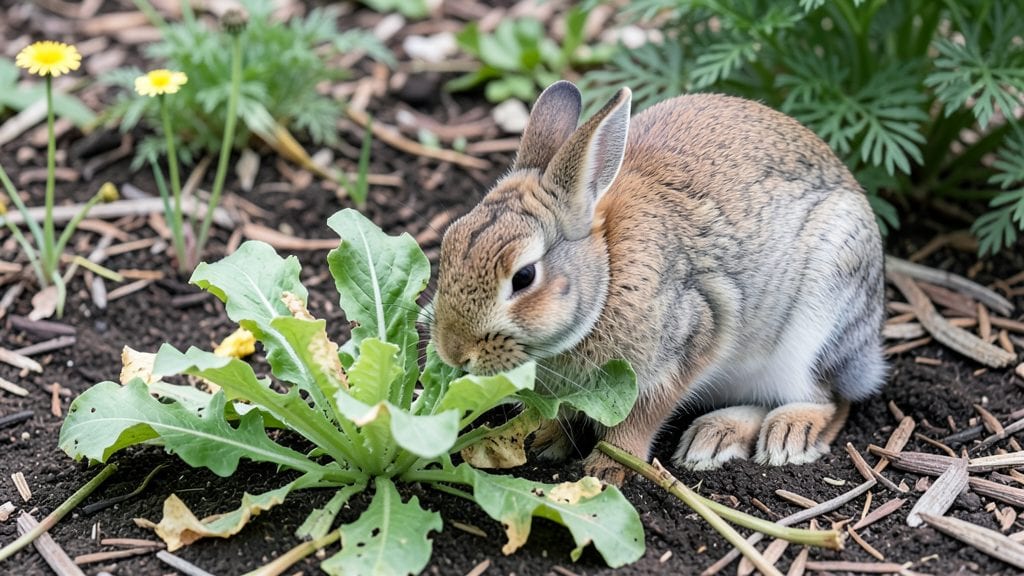
Bunny eating plants can turn your garden into a salad bar overnight. 🌿 I’ve lost entire rows of lettuce and tulips to these furry foragers, but I’ve also learned which plants they’ll leave alone—and how to trick them into skipping your yard entirely.
The key is pairing vulnerable plants with rabbit-deterrent companions like garlic, onions, and lavender. These strong-smelling plants mask the scent of your veggies, while thorny shrubs like roses or barberries act as natural fences. Even marigolds and nasturtiums can distract bunnies with their bright colors and peppery taste.
You’ll see fewer nibbled leaves and more blooms within weeks. The best part? These solutions work without chemicals, fences, or traps—just smart plant choices that outsmart rabbits while keeping your garden thriving. Let’s get started!
Works for vegetable patches, flower beds, and even container gardens. Here’s how to set up your rabbit-proof garden naturally.
Why Plants Get Munching
When your garden becomes a buffet for fluffy, long-eared visitors, it’s not just bad luck—it’s biology and behavior at work. Rabbits are herbivores with a natural inclination to nibble, and certain plants are more tempting than others.
Understanding why this happens helps you outsmart them with the right companion plant strategies. Let’s break down the science behind their snacking habits.
Rabbits are selective grazers, meaning they prefer plants that are soft, tender, and nutrient-rich. In the wild, they target young shoots, leaves, and stems because these are easier to digest and packed with proteins and sugars.
- Young vs. mature plants: New growth is less fibrous and more palatable. A rabbit’s teeth are constantly growing, so they instinctively seek out softer textures to wear them down naturally.
- High-moisture content: Plants like lettuce, clover, and dandelions retain more water, making them irresistible. Rabbits avoid woody or dry vegetation, which is harder to chew.
- Scent matters: Strong aromas (like those from herbs or flowering plants) can deter rabbits, while mild or sweet-smelling plants (e.g., basil, mint) may attract them.
Actionable tip: If you notice rabbits targeting specific plants, check their age and moisture levels—older, drier plants are less appealing.
Rabbits are crepuscular, meaning they’re most active at dawn and dusk, when predators like hawks are less active. They also follow a “browse line”—the height at which they can reach plants without standing upright. This explains why low-growing vegetables and herbs are prime targets.
- Open spaces = easy access: Gardens with sparse ground cover or mulch give rabbits clear paths to their meals. Dense foliage or thorny plants create natural barriers.
- Water sources nearby: Rabbits need hydration, so they’ll linger near gardens with irrigation or dew-heavy plants (like morning-glory vines).
- Lack of predators: In suburban areas, rabbits face fewer threats, so they explore more boldly. A garden without cats, dogs, or birds of prey becomes a high-risk buffet.
Pro tip: 🌡️ Reduce their comfort zone by removing hiding spots (like tall grasses or brush piles) and keeping the garden well-lit during active hours.
Some plants emit chemical signals when damaged, which can actually attract more rabbits. For example, chewing on certain crops releases volatile compounds that rabbits find stimulating—like a dinner bell. Additionally, plants with thin skins or no protective layers (like cabbage or peas) are easier to strip.
| Vulnerable Plant Traits | Why Rabbits Love Them |
|---|---|
| Thin, waxy leaves (e.g., lettuce, spinach) | Easy to bite through; high water content. |
| Delicate stems (e.g., beans, peas) | Soft texture; rabbits can snap them without resistance. |
| Sweet or mild flavors (e.g., basil, cilantro) | No bitter or pungent defenses to deter them. |
Science-backed fix: 🎯 Interplant vulnerable crops with aromatic companions (like rosemary or thyme) to mask their scent and confuse foraging rabbits.
Now that you know why rabbits zero in on certain plants, the next step is choosing the right companions to throw them off the scent. Stay tuned for our top pairings!
Stop Bunny Damage Naturally
When bunnies start feasting on your garden like an all-you-can-eat buffet, it’s time to take action—but not with harsh chemicals! The good news? There are easy, plant-based solutions that deter these furry nibblers while keeping your garden thriving.
Below, we’ll break down common causes and match them with simple fixes, plus prevention tips to keep your plants safe long-term.
Fix: Grow Bunny-Repellent Companions Bunnies adore soft, fresh greens—especially basil, lettuce, and young seedlings. The fix? Plant them alongside strong-smelling or toxic companions that bunnies avoid.
| Plant You Want to Protect | Bunny-Repelling Companion | Why It Works |
|---|---|---|
| Lettuce, Spinach | Garlic, Chives, Onions | Pungent scent masks plant aroma |
| Tomatoes, Peppers | Marigolds, Nasturtiums | Bitter taste deters grazing |
| Carrots, Radishes | Rosemary, Thyme | Woody, aromatic herbs confuse bunnies |
| Flowers (e.g., Roses) | Lavender, Rue | Strong fragrance acts as a natural deterrent |
Pro Tip: 💡 Crush a few leaves of these companions near vulnerable plants to intensify the scent—bunnies will take the hint and move on!
Fix: Create a Physical & Scent Barrier Bunnies target gardens that are easily accessible and lack protection. A two-pronged approach works best:
- Install Low Fences or Cloche Covers 🛡️
- Use chicken wire (1-foot tall) or wire mesh around beds.
- For seedlings, try mini hoop houses with lightweight fabric.
- Add Natural Deterrents 🌿
- Plant a border of foxglove, daffodils, or alliums—bunnies hate their taste!
- Spread coffee grounds or cayenne pepper around the base of plants (reapply after rain).
Pro Tip: ⏰ Check fences weekly—bunnies can chew through weak spots, and secure them tightly with stakes.
Fix: Distract & Divert Their Attention If bunnies are regular visitors, they’re likely searching for food. Outsmart them by:
- Planting a "sacrificial garden" 🌱—dedicate a small patch to clover, plantain, or dandelions (bunnies love these but won’t bother your veggies).
- Using fake predator scents 🐺—spray predator urine (coyote or fox) around the perimeter (available at garden stores).
- Adding motion-activated sprinklers 💦—bunnies hate surprises and will flee at the sound of water.
Pro Tip: 🎯 Rotate deterrents every few weeks—bunnies get used to static scents!
Once you’ve tackled the immediate problem, keep bunnies away for good with these habits:
- Harvest regularly—bunnies target ripe, lush plants, so pick veggies as they mature.
- Mulch with pine needles or cedar chips 🌲—the sharp texture and scent discourage digging.
- Avoid planting bunny favorites at ground level—use hanging baskets or raised beds for high-risk plants.
- Encourage natural predators 🦉—install owl boxes or bat houses to attract wildlife that hunts bunnies.
Final Thought: 🌟 Bunnies are opportunistic, not malicious—they’ll move on if given better (or no) options. With the right companion plants, barriers, and distractions, your garden can stay bunny-free without chemicals. Try one or two methods this season and watch the difference!
Frequently asked questions
Which plants do rabbits avoid completely?
Rabbits typically steer clear of plants with strong scents or toxic properties. Lavender, rue, daffodils, and foxglove are their least favorite due to bitter tastes or pungent aromas. Even roses, barberries, and marigolds often deter them naturally. These make excellent border plants to protect vulnerable crops.
Can I use coffee grounds to keep rabbits away?
Yes! Sprinkling used coffee grounds around your garden creates a natural barrier rabbits dislike. The strong scent and granular texture disrupt their foraging paths. Reapply after rain or watering to maintain effectiveness. Mix with cayenne pepper for extra protection.
Will companion planting work in containers?
Even in pots, you can pair vulnerable plants like lettuce or basil with rabbit-repelling companions such as thyme or chives. The key is proximity—place the deterrent plants directly beside or around the vulnerable ones. For example, a container with tomatoes and marigolds works perfectly.
How long until I see results from these methods?
Results vary, but you may notice a difference within 2-3 weeks if using scent-based deterrents like herbs or predator urine. Physical barriers (like fencing) provide immediate protection. For companion planting, it takes 1-2 growing seasons to establish strong enough scents to deter rabbits consistently.