
Companion Plants
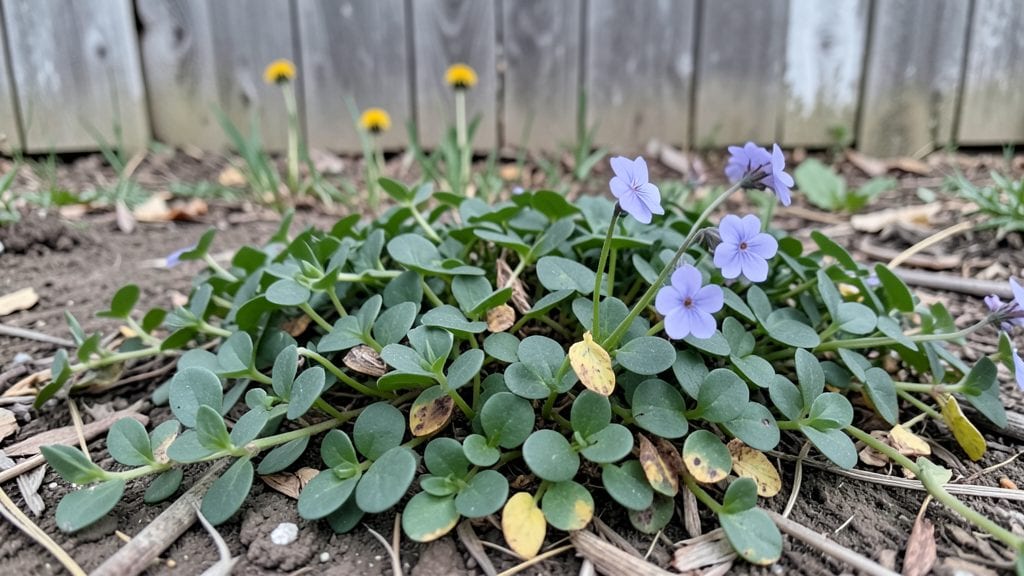
My vinca minor plants have saved me from weeding more than I care to admit—this shade-loving ground cover spreads like a living carpet, smothering weeds before they even think about popping up. 🌿 The key to making it work lies in understanding its natural habits: how it thrives in low light, how it spreads aggressively (which can be a blessing or curse depending on your yard), and how to keep it looking neat without killing it in the process.
You’ll need partial to full shade, well-draining soil, and patience—this isn’t a fast-growing plant, but once established, it’s nearly indestructible. I’ve seen it choke out dandelions and clover in just one growing season, and it handles foot traffic better than most ground covers.
The dark green leaves stay vibrant year-round, and the occasional purple flower is just the cherry on top.
By the end of the first year, you’ll have a lush, weed-free carpet that needs almost no maintenance. The real magic happens in spring when the new growth fills in gaps, and by summer, it’s so dense that weeds can’t get a foothold.
It’s perfect for shady spots where grass won’t grow, and it even tolerates dry spells once it’s settled in.
Fair warning: in some regions, vinca minor can spread too aggressively, so check local regulations before planting.
But if you’re in a spot where it’s welcome, this is one of the most foolproof ground covers you’ll ever use—just give it space to breathe and a little occasional trimming to keep it tidy.
📚 In This Guide
- What you need
- Instructions
- Tips and common mistakes
- Wrapping up and next steps
What you need
- ● Vinca Minor Plants: 6–12 healthy nursery-grown plants (spaced 12–18 inches apart for full coverage)
- ● OR 100+ seeds (if starting from scratch—germination can be slow!)
- ● Soil: Well-draining, slightly acidic soil (pH 5.0–6.5)
- ● Compost or aged manure (1–2 gallons per planting area) for nutrient boost
- ● Mulch: 2–3 inches of organic mulch (pine straw, shredded bark, or wood chips) to retain moisture and suppress weeds
- ● Watering Can or Hose: With a gentle spray nozzle for even watering
- ● Garden Gloves (to protect your hands from thorns and soil)
- ● Hand Trowel or Spade (for digging small holes)
- ● Pruners (sharp, clean pair for trimming or propagating)
- ● Measuring Tape or Ruler (to ensure proper spacing)
- ○ Garden Fork (Optional) (for loosening compacted soil)
- ● Slow-release fertilizer (balanced 10-10-10 or organic options like fish emulsion)
- ● Plant stakes or labels (if tracking varieties or new plantings)
- ● Weed barrier fabric (for areas with aggressive weed competition)
- ● Drip irrigation system (for large planting areas)
Step-by-Step instructions for planting vinca minor ground cover
Here’s the foolproof method I use to create a lush, weed-blocking vinca minor carpet that thrives with minimal fuss.
🌱 Step 1: Prepare the Planting Site
Vinca minor thrives in partial shade to full sun, but it’s most vigorous in areas with 4-6 hours of morning sunlight. Clear the area of weeds and debris first—this plant will outcompete them, but a clean start means faster coverage. Work the soil to a depth of 6-8 inches, loosening compacted areas with a garden fork.
If your soil drains poorly, vinca minor will rot. Amend heavy clay with 2-3 inches of compost or coarse sand to improve aeration. The soil should feel slightly gritty but still hold moisture when squeezed. Avoid freshly tilled soil—wait 1-2 weeks for any disturbed areas to settle before planting.
🪴 Step 2: Plant Vinca Minor Correctly
Space plants 12-18 inches apart in rows 12 inches apart for a dense ground cover. Dig holes just deep enough to cover the root ball completely—planting too deep can suffocate roots, while too shallow leaves gaps for weeds. Gently tease apart roots if they’re circling tightly in the container.
Fill the hole with soil, pressing lightly around the base to remove air pockets. Water immediately after planting to settle the soil and encourage root contact. Vinca minor spreads quickly, so don’t worry about perfect spacing—it’ll fill in over time. For slopes, plant horizontally to prevent erosion and encourage lateral growth.
💧 Step 3: Water and Mulch for Success
Keep the soil consistently moist for the first 2-3 weeks after planting—water deeply when the top 1-2 inches of soil feel dry. Avoid overhead watering, which can spread disease. Once established, vinca minor tolerates drought, but young plants need steady moisture to root deeply.
Apply 2-3 inches of mulch (like shredded bark or pine straw) around plants, keeping it 2 inches away from the stems to prevent rot. Mulch conserves moisture, regulates soil temperature, and suppresses weeds—exactly what vinca minor does naturally. Replenish mulch annually as it breaks down.
☀️ Step 4: Maintain for Maximum Spread
Vinca minor needs little care once established, but a light feeding in early spring boosts vigor. Use a balanced 10-10-10 fertilizer at half-strength to avoid burning tender roots. Water before applying fertilizer to prevent salt buildup in the soil.
Deadhead spent flowers in late spring to encourage more blooms, but leave seed pods if you want natural spread—birds love the seeds, and they’ll help vinca minor colonize bare spots. Prune back leggy growth in early spring to promote bushier, denser coverage. This plant spreads via runners, so you’ll see it fill gaps naturally over time.
Tips & tricks for perfect vinca minor ground cover
These simple strategies will help you create a weed-blocking vinca minor carpet that thrives with minimal effort.
Soil Preparation: The 6-8 inch soil preparation in Step 1 is crucial—don't skip loosening compacted areas. I use a garden fork to break up clay soil, then mix in 2-3 inches of compost. For heavy clay, add coarse sand to improve drainage, which prevents root rot. The soil should hold moisture but not stay soggy—think of it as damp, not wet.
Planting Technique: When planting in Step 2, focus on the root ball depth—it should be level with the surrounding soil. I always tease apart any circling roots to encourage outward growth. For slopes, plant horizontally with roots pointing uphill to prevent erosion and encourage faster spread.
Watering Wisdom: The 2-3 week consistent moisture period in Step 3 is non-negotiable for young vinca minor. I water deeply when the top 1-2 inches feel dry, using a soaker hose to avoid wetting the leaves. Once established, vinca minor's drought tolerance kicks in, but don't let new plants dry out completely during their first summer.
Mulch Strategy: Apply that 2-3 inches of mulch right after planting—it's your secret weapon against weeds and moisture loss. I keep it 2 inches away from stems to prevent rot, and use shredded bark which breaks down slowly. Replenish annually in spring to maintain that weed-blocking barrier.
Pro Tips for Vinca Minor Plants
- These simple strategies will help you create a weed-blocking vinca minor carpet that thrives with minimal effort.
- Soil Preparation: The 6-8 inch soil preparation in Step 1 is crucial—don't skip loosening compacted areas.
- Planting Technique: When planting in Step 2, focus on the root ball depth—it should be level with the surrounding soil.
Frequently asked questions
Is Vinca minor invasive?
Vinca minor can spread aggressively in ideal conditions, especially in moist, shaded areas. While it’s not classified as invasive everywhere, it’s best to monitor its growth and contain it with edging or barriers if needed. In some states (like Oregon and Washington), it’s even considered a noxious weed—check local regulations before planting!
How long does it take for Vinca minor to establish?
This tough plant typically establishes within 2–3 months after planting, but full coverage may take 1–2 years depending on soil and sunlight. For faster results, plant cuttings or use a dense starter mat. Patience pays off—once rooted, it crowds out weeds like a champ!
Can Vinca minor grow in full sun?
While it thrives in partial to full shade, Vinca minor can tolerate morning sun in cooler climates. Avoid harsh afternoon rays, which can scorch its glossy leaves. If your yard has bright spots, pair it with shade-loving companions like Heuchera or Ferns for a balanced look.
Are Vinca minor plants deer-resistant?
Deer usually avoid Vinca minor because of its bitter taste, but hungry herds may nibble in desperate times. For extra protection, mix it with deer-proof plants like Lamium or Ajuga. A light fence or repellent spray can also deter browsers.
What’s a good alternative if I want low-maintenance ground cover?
If Vinca minor isn’t your style, try these low-maintenance swaps:
- Creeping Phlox (Phlox subulata) – Spring blooms + drought-tolerant
- Sedum (Sedum spp.) – Succulent, sun-loving, and ultra-hardy
- Ajuga (Ajuga reptans) – Purple foliage + deer-resistant
- Clover (Trifolium repens) – Fixes nitrogen + attracts pollinators
Wrapping up and next steps
Vinca minor plants are a gardener’s secret weapon—offering low-maintenance beauty, natural weed suppression, and year-round greenery with minimal effort. Whether you’re tackling shady spots, curbing erosion, or simply craving a lush, hassle-free landscape, this hardy ground cover delivers big results with zero fuss.
Ready to transform your garden? Start small—plant a section in a high-traffic or problem area, monitor its progress, and soon, you’ll be expanding its borders with confidence!
🌱 Your Next Step:
- Pick a sunny or shaded patch in your yard.
- Grab a few Vinca minor plants (or cuttings) and follow the planting tips above.
- Watch weeds vanish and your garden thrive—nature’s way!