Pruning
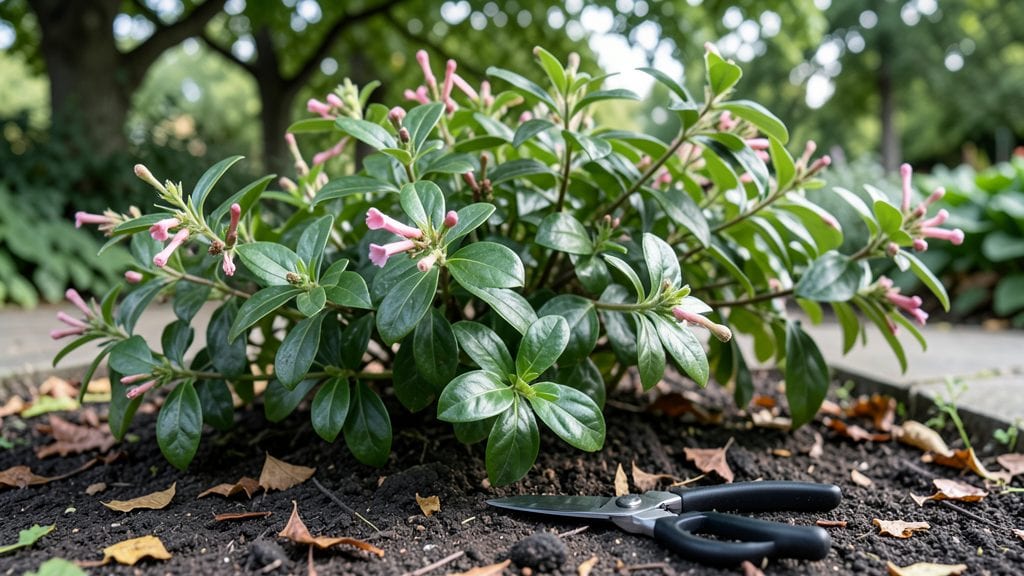
Pruning abelia plants transforms them from straggly to showstopping within weeks. ✨ I’ve watched my abelia go from a tangled mess to a lush, blooming bush just by following a few key cuts—no fancy tools or gardening degree required.
The secret lies in timing, sharp cuts, and knowing which branches to keep (or let go).
You’ll need just three things: clean pruning shears, a pair of gloves, and a sunny morning. Early spring or right after blooms are the best times to prune, but even neglected abelias can bounce back with the right approach.
The goal is to shape the plant while encouraging those glossy leaves and clusters of fragrant flowers.
After pruning, your abelia will reward you with bushier growth and more blooms than ever. The key is cutting back about one-third of the oldest stems each year, always making clean cuts just above a leaf node.
This simple technique keeps the plant healthy, compact, and full of life—no deadwood in sight.
Works for both container-grown abelias and those planted in the ground. Whether you’re a beginner or a seasoned gardener, this method will keep your abelia thriving for years. Let’s get those shears ready!
📚 In This Guide
- What you need
- Instructions
- Tips and common mistakes
- Wrapping up and next steps
What you need
- ● Pruning shears: Bypass pruners (sharp, clean, and sterilized with rubbing alcohol) for small stems.
- ● Loppers: 6–8" bypass loppers for thicker branches (½"–1" diameter).
- ● Hand pruners: Anvil-type (for emergencies only—can crush stems).
- ● Gloves: Heavy-duty gardening gloves (cut-resistant for thorns).
- ● Disinfectant: 70% isopropyl alcohol or bleach solution (1 part bleach to 9 parts water) for tools.
- ● Trash bags: 2–3 heavy-duty bags (13-gallon minimum) for clippings.
- ○ Rake or broom: For cleanup (optional but handy!).
- ● Pruning saw: For stubborn, thick branches (if your Abelia has woody growth).
- ● Plant food: Balanced fertilizer (10-10-10 or similar) for post-pruning nourishment.
- ● Mulch: Shredded bark or compost to protect roots after pruning.
- ● Hose or watering can: To rinse tools and refresh the plant post-cut.
- ● Notebook & pen: To jot down pruning notes (e.g., "cut back ⅓ of leggy stems").
Instructions for pruning abelia to keep it lush and blooming
Here's the straightforward method I use to keep abelia plants thriving with vibrant blooms and perfect shape.
✂️ Step 1: Prune After Flowering in Late Summer
Start by cutting back any dead or damaged branches first—these are easy to spot as they're brown or crispy. Use sharp bypass pruners to make clean cuts just above a leaf node or outward-facing bud. This is the best time to shape the plant because abelia blooms on old wood, so you won't sacrifice next year's flowers.
Focus on removing about one-third of the oldest stems at the base. These are typically the thicker, woody branches that no longer produce as many flowers. The goal is to encourage new growth from the base while maintaining an open, airy structure. Watch for new shoots emerging within 2-3 weeks—this tells you the plant is responding well.
✂️ Step 2: Lightly Trim in Early Spring
In early spring, before new growth appears, give your abelia a light trim to remove any remaining dead wood or crossing branches. These are branches that rub against each other, which can create wounds where pests or diseases might enter. Cut back any branches that are growing inward or crossing over others to maintain an open center.
This is also the time to shape the plant if needed, but keep cuts minimal—just enough to encourage new growth. You'll see fresh green leaves emerging within 3-4 weeks if the timing is right. Avoid heavy pruning now, as abelia responds better to gradual shaping than drastic cuts.
✂️ Step 3: Maintain Throughout the Growing Season
During the growing season, keep an eye out for any branches that are growing too long or becoming leggy. Pinch back the tips of these branches to encourage bushier growth. This is a gentle process—just snip off the last 2-3 inches of new growth with your fingers or small pruners. You'll notice new side shoots forming within 2-4 weeks, filling out the plant's shape.
Remove any suckers that appear at the base of the plant—these are vigorous shoots that can weaken the main structure. Cut them off at the base immediately to redirect the plant's energy into stronger growth. Regular maintenance like this keeps your abelia looking neat and encourages more blooms.
✂️ Step 4: Renew Older Plants with Rejuvenation Pruning
If your abelia has become overgrown or woody, it might need a more dramatic pruning to rejuvenate it. In late winter or early spring, cut back about half of the oldest stems to just a few inches above the ground. This might sound drastic, but abelia is surprisingly resilient and will bounce back with fresh new growth.
After pruning, you might see very little growth for the first few weeks, but don't worry—new shoots will emerge from the base within 4-6 weeks. Water consistently during this time to help the plant recover. This method works best for plants that are at least 3-5 years old and have become too woody to bloom well.
✂️ Step 5: Clean Up and Sanitize Tools
After pruning, always clean your tools with rubbing alcohol or a bleach solution to prevent the spread of disease. I like to wipe down my pruners with a cloth soaked in rubbing alcohol between cuts—this keeps them sharp and sterile. Proper tool care ensures your abelia stays healthy and doesn't develop infections from contaminated cuts.
Remove all pruned branches from the area to keep your garden tidy. You can compost the healthy trimmings, but avoid composting any branches that show signs of disease. This final step keeps your garden looking clean and prevents pests or diseases from lingering in old plant debris.
Tips & tricks for perfect abelia plant pruning
These little-known tricks will help you keep your abelia looking its best year-round while avoiding common pruning mistakes that can stress the plant.
The Right Time is Everything: Late summer pruning (after flowering) is critical because abelia blooms on old wood. If you prune too early, you risk cutting off next year's flower buds. I always mark my calendar for the first week of September—this gives the plant time to set buds before winter. For spring pruning, aim for just before new growth appears, typically late February to early March in most climates.
Tool Selection Matters: Sharp bypass pruners are a must for clean cuts that heal properly. I've learned the hard way that dull tools crush stems, creating wounds that invite disease. Always make cuts at a 45-degree angle just above a leaf node or outward-facing bud. For thicker branches (over 1/4 inch), use loppers instead of pruners to avoid pinching the stem.
Gradual Pruning Prevents Shock: Never remove more than one-third of the oldest stems in any single session. Abelia responds best to gradual shaping rather than drastic cuts. For older plants needing rejuvenation, spread the pruning over two years if possible—remove half the oldest stems one year, then the remaining half the following year. This approach maintains plant health while encouraging vigorous new growth.
Visual Growth Cues: Pay attention to these growth signals: new shoots should appear within 2-3 weeks after summer pruning, and fresh green leaves should emerge within 3-4 weeks after spring pruning. If you don't see new growth within these timeframes, your cuts may have been too severe or the weather too cold. In that case, reduce watering slightly until you see signs of recovery.
Pro Tips for Abelia Plant Pruning
- These little-known tricks will help you keep your abelia looking its best year-round while avoiding common pruning mistakes that can stress the plant.
- The Right Time is Everything: Late summer pruning (after flowering) is critical because abelia blooms on old wood.
- Tool Selection Matters: Sharp bypass pruners are a must for clean cuts that heal properly.
Frequently asked questions
Got questions about pruning your abelia? You’re not alone!
Here are some of the most common concerns—plus quick, actionable answers to keep your plant thriving.
When is the best time to prune abelia?
The ideal time is late winter or early spring (just before new growth starts). You can also do light pruning after flowering to shape the plant. Avoid heavy cuts in fall—it may stimulate tender new growth that won’t survive winter.
How much can I cut back my abelia?
You can safely prune up to one-third of the plant’s height in a single session. For mature abelias, hard pruning (cutting back to 6–12 inches from the ground) rejuvenates growth. Just avoid over-pruning—this shrub is resilient but not indestructible!
Will pruning my abelia reduce its flowers?
Not if done right! Pruning after flowering encourages bushier growth and more blooms next season. Avoid heavy cuts during bloom time—this can remove flower buds. Think of it like a haircut: timing matters!
What if my abelia looks leggy after pruning?
Leggy growth is normal post-prune! To fix it, pinch back new shoots in spring/summer to promote branching. Use balanced fertilizer (like 10-10-10) to support fresh growth. Patience pays off—your abelia will fill out in 2–3 months!
Can I prune abelia in summer?
Yes, but lightly! Summer pruning is best for shaping or removing dead blooms. Avoid heavy cuts—this can stress the plant during hot weather. If you must prune, do it on a cool, cloudy day and water thoroughly afterward.
What if my abelia doesn’t bloom after pruning?
Check these fixes:
- Sunlight: Ensure it gets 6+ hours of sun daily.
- Soil: Well-draining, slightly acidic soil (pH 5.0–6.5) is key.
- Fertilizer: Use a low-nitrogen, high-phosphorus blend in early spring.
- Patience: It may take a season for blooms to return after heavy pruning.
Wrapping up and next steps
Mastering Abelia plant pruning is your ticket to a lush, vibrant garden year-round! 🌿 With the right tools, timing, and techniques, you’ll encourage blooms, shape your plant beautifully, and keep it thriving for seasons to come.
Whether you’re a beginner or a seasoned gardener, a little patience and care go a long way.
Ready to see your Abelia flourish? Start small—pick one season to practice, then expand your skills. Before you know it, your garden will be the envy of the neighborhood! 🌸 Happy pruning!