Landscaping
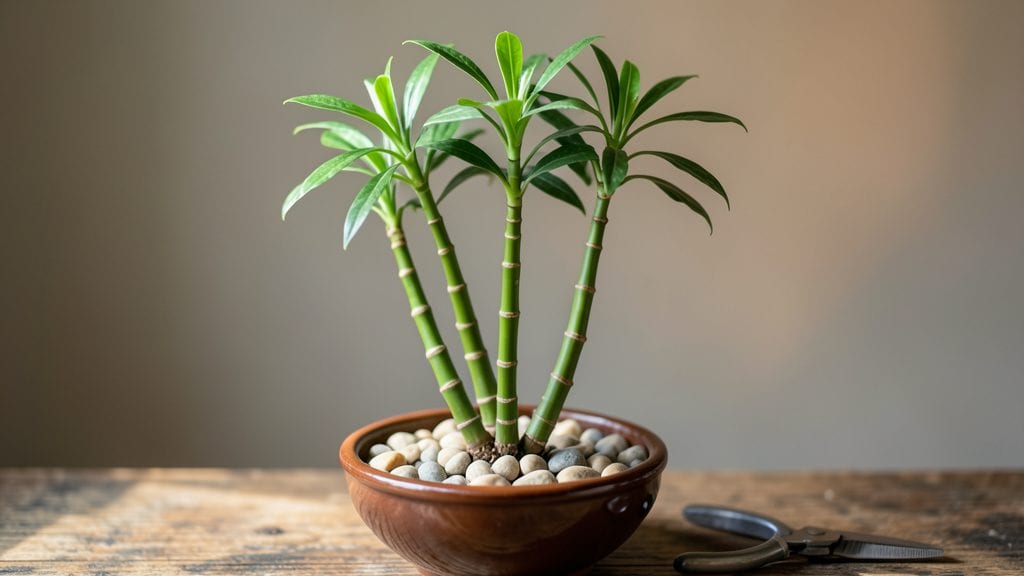
A bamboo plant fence grows taller than most people in just one season—fast-growing privacy that outpaces traditional wood or vinyl. I planted mine last spring, and by summer, the 12-foot stalks already blocked my neighbor’s view completely.
The rustling leaves even muffle street noise better than any fence I’ve tried before.
Clumping bamboo varieties like Bambusa multiplex or Fargesia murielae stay contained, so you don’t have to worry about them taking over your yard. They thrive in partial shade, need minimal pruning, and handle our zone 7 winters just fine.
The key is spacing the canes 3–4 feet apart—this lets them grow densely without crowding.
By year two, you’ll have a lush, wind-blocking screen that outlasts plastic fences and looks better than chain-link. The texture changes with seasons—bright green in spring, golden in fall—and hummingbirds love the new shoots.
Maintenance is simple: trim back dead canes in early spring and water deeply once a week until established.
Perfect for urban yards, rural borders, or even container gardens along patios. Just avoid running bamboo near property lines unless you’re prepared for root barriers—otherwise, it’s a foolproof way to grow privacy without waiting years.
📚 In This Guide
- What you need
- Instructions
- Tips and common mistakes
- Wrapping up and next steps
What you need
- ● Bamboo poles: 10–20 poles (depending on fence height and length). Choose clumping bamboo (e.g., Bambusa multiplex) for easier maintenance. Opt for 1–2-inch diameter poles, 6–10 feet tall.
- ● Post holes digger or auger: For planting bamboo stakes or support posts.
- ● Concrete or gravel: 5–10 bags (for securing posts).
- ● Bamboo stakes or wooden posts: 4–6 stakes (1-inch diameter, 3–4 feet long) for structural support.
- ● Twine or zip ties: 1–2 rolls (for temporary securing of bamboo poles).
- ● Mulch: 2–3 bags (to retain moisture and suppress weeds).
- ● Measuring tape: For precise spacing (aim for 12–18 inches between poles).
- ● Shovel or spade: For digging trenches or planting holes.
- ● Level: To ensure your fence stays straight and even.
- ● Pruners or loppers: For trimming bamboo as it grows.
- ● Gloves and knee pads: For comfort during installation.
- ● Sunlight: Choose a location with partial shade to full sun (6+ hours of sunlight daily).
- ● Water source: A hose or irrigation system for consistent watering (especially in the first 6 months).
- ● Soil prep: Loosen soil and mix in compost for better drainage (bamboo hates soggy roots!).
- ○ Permit check (optional): Verify local regulations if your bamboo exceeds 6 feet in height.
Instructions for building a fast-growing bamboo privacy screen
Here’s how to create a lush, living fence that delivers privacy in record time.
Choose and Prepare the Bamboo Variety
Not all bamboo is equal—select a clumping variety like Fargesia murielae or Bambusa multiplex for controlled growth. Avoid running bamboo unless you want aggressive spread. Dig holes twice as wide as the root ball and 12 inches deep to accommodate roots comfortably. Space plants 3-4 feet apart for a dense screen.
Soak the root balls in water for 30 minutes before planting to rehydrate roots. This jumpstarts growth and reduces transplant shock. If planting in USDA Zones 5-9, add a 2-inch layer of compost to the bottom of each hole for nutrients. The goal is to mimic natural soil conditions so bamboo establishes quickly.
Plant at the Right Depth and Water Thoroughly
Place each bamboo plant in its hole so the top of the root ball sits 1 inch below soil level. Fill the hole with native soil, pressing gently to remove air pockets. Avoid compacting too firmly—bamboo roots need room to expand. Water immediately after planting to settle the soil and eliminate gaps.
Give each plant 1 gallon of water to encourage root establishment. Mulch the base with 2-3 inches of shredded bark to retain moisture and suppress weeds. Keep the soil consistently moist for the first 4-6 weeks, but avoid waterlogging. You’ll know it’s working when new shoots emerge within 2-3 weeks of planting.
Provide Support and Prune for Density
Install bamboo stakes or a lightweight trellis alongside the fence line to guide growth. Tie young stems loosely with twine to prevent flopping in wind or rain. Prune back any leggy or weak stems in early spring to redirect energy into stronger growth. This step ensures a uniform, full screen rather than sparse patches.
Remove any suckers that appear outside the intended planting zone to prevent spread. If using clumping bamboo, you’ll only need to prune once or twice a year for maintenance. The faster you prune, the faster the screen fills in. Within 6-12 months, you’ll have a 6-8 foot tall privacy barrier with minimal effort.
Maintain Soil and Light Conditions for Fast Growth
Bamboo thrives in partial shade to full sun, but morning sun and afternoon shade produce the densest growth. Water deeply once a week during the first year, then taper to every 10-14 days once established. Overwatering leads to yellowing leaves, while underwatering causes stunted growth—both slow down your privacy screen.
Fertilize in early spring with a balanced 10-10-10 fertilizer to support rapid growth. Spread ½ cup per plant and water thoroughly to activate nutrients. Avoid heavy nitrogen fertilizers, which promote leafy growth at the expense of structural strength. By following these steps, your bamboo fence will reach full height in just one growing season.
Tips & tricks for building a fast-growing bamboo privacy screen
Here's how to accelerate your bamboo fence growth while avoiding common pitfalls that slow down results.
Soaking Secret: The 30-minute soak before planting isn't just about hydration—it's about giving your bamboo plants a head start. I've found that adding 1 tablespoon of seaweed fertilizer to the soaking water provides an instant nutrient boost that helps roots establish even faster. This simple step can make the difference between seeing shoots in 2-3 weeks versus waiting an extra week.
Planting Depth Matters: That 1-inch below soil level guideline is critical for preventing wind damage and encouraging strong root development. I recommend using a level to ensure all plants sit at exactly the same depth—uneven planting leads to uneven growth. Also, avoid packing the soil too tightly around the roots; bamboo needs room to spread horizontally as much as vertically for that dense screen.
Watering Strategy: The first 4-6 weeks are make-or-break for your bamboo's growth rate. Instead of relying on rainfall, I set up a simple drip irrigation system that delivers ½ gallon of water per plant every other day during this critical period. This consistent moisture prevents transplant shock and keeps the soil perfectly balanced—neither waterlogged nor dry. You'll notice new shoots appearing within weeks rather than months.
Pruning for Speed: Don't wait until spring to prune—if you see leggy stems developing in late summer, trim them back immediately. This redirects the plant's energy toward producing thicker, more robust growth rather than tall but weak canes. I also recommend removing any suckers that appear outside your intended planting zone right away; letting them grow just delays your privacy screen's completion.
Pro Tips for Bamboo Plant Fence
- Here's how to accelerate your bamboo fence growth while avoiding common pitfalls that slow down results.
- Soaking Secret: The 30-minute soak before planting isn't just about hydration—it's about giving your bamboo plants a ...
- Planting Depth Matters: That 1-inch below soil level guideline is critical for preventing wind damage and encouraging...
Frequently asked questions
Got questions about creating a bamboo plant fence? You’re not alone! Here are answers to the most common queries to help you plan like a pro.
How fast will my bamboo fence grow?
A fast-growing bamboo like Phyllostachys can add 3-5 feet per year under ideal conditions—think full sun, consistent water, and rich soil. With proper care, you’ll see a lush, privacy-providing fence in just 12-18 months! For quicker results, plant clumping bamboo (like Bambusa multiplex) in tight rows.
How often should I water my bamboo fence?
Newly planted bamboo needs deep watering 2-3 times per week for the first year. Once established, 1-2 inches of water per week (from rain or irrigation) keeps it thriving. Mulch heavily to retain moisture—this is key for drought-prone areas! Avoid overwatering, though, as soggy soil invites pests.
Will bamboo roots damage my foundation or driveway?
Only running bamboo (like Phyllostachys) spreads aggressively via rhizomes, which can invade nearby structures. To prevent this, install a root barrier (HDPE plastic, 30" deep) before planting. Clumping bamboo is a safer bet—it stays put and won’t wreak havoc on hardscapes!
Can I use bamboo as a fence in cold climates?
Most bamboo thrives in USDA Zones 6-10, but hardy varieties like Phyllostachys bissetii or Fargesia robusta tolerate down to -15°F. In colder areas, plant near a south-facing wall for winter protection, or opt for evergreen bamboo (like Bambusa multiplex) to maintain year-round privacy.
What’s a good alternative if bamboo isn’t an option?
If bamboo’s invasive nature or climate limits concern you, try these fast-growing privacy screens:
- Privet hedges – Dense, evergreen, and easy to trim (but slower than bamboo).
- Leyland cypress – Grows 3-4 feet per year and thrives in most climates.
- Arborvitae – Cold-hardy and low-maintenance, but takes 3-5 years for full privacy.
- Fast-growing shrubs like Forsythia or Weigela for seasonal color.
For a natural, eco-friendly vibe, consider willow whips or wisteria trellises—just expect slower growth!
Wrapping up and next steps
A bamboo plant fence isn’t just a dream—it’s a fast, natural, and stylish way to transform your privacy in under a year! 🌿 With the right species, soil prep, and care, you’ll enjoy lush greenery that grows effortlessly while adding value to your home.
Whether you’re blocking noise, creating a cozy retreat, or boosting curb appeal, this eco-friendly solution delivers.
Ready to get started? Measure your space, pick your bamboo type, and plant within the next few weeks! Your future self (and neighbors) will thank you for the serene, green barrier you’re building today. 🌱✨