Pruning
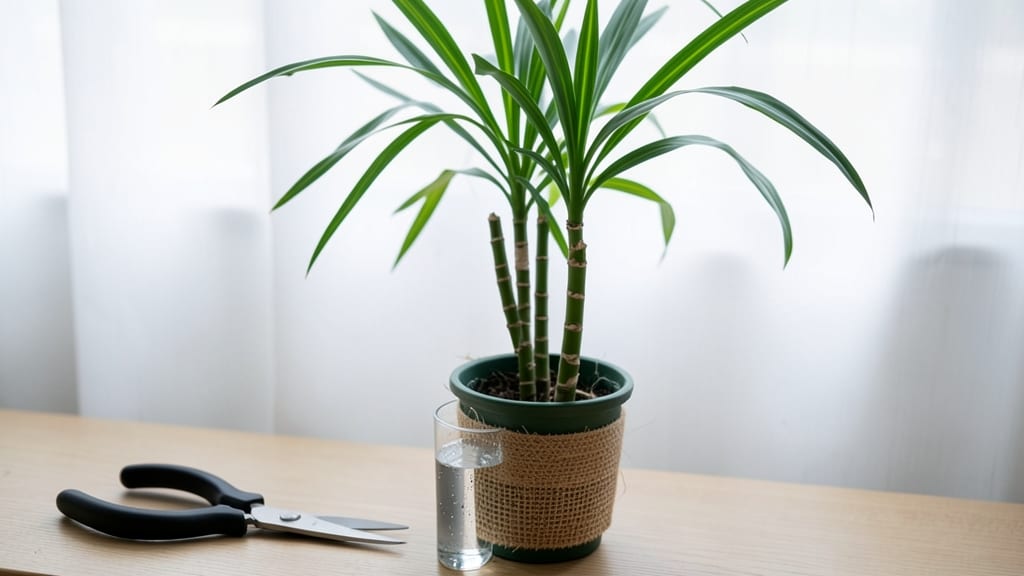
Pruning bamboo plants keeps them healthy and prevents them from taking over your yard—something I learned the hard way after my running bamboo spread into the neighbor’s garden. 🌱 The 3-cut method is the most effective way to control growth while encouraging strong, dense canes.
This approach works for both clumping and running varieties, though running types need more frequent maintenance.
The key is timing: prune in late winter or early spring before new shoots emerge. You’ll need sharp pruners, gloves, and a tarp to collect debris.
For running bamboo, cut back any rhizomes that encroach on unwanted areas, while clumping types benefit from removing old canes to make room for new growth. Safety first—wear gloves and eye protection, as bamboo canes are sharp.
After pruning, you’ll notice thicker, more vibrant canes within a few weeks—less leggy and more productive. The plants redirect energy into new growth, and you’ll avoid the tangled mess that comes from neglect.
For running bamboo, repeat this process every 6-12 months to keep it contained, while clumping types need pruning every 2-3 years to maintain shape.
Common mistakes include cutting too late in the season or removing too many canes at once, which weakens the plant. Always leave at least one-third of the older canes to support the new growth.
With this method, your bamboo will stay lush, controlled, and a highlight of your landscape—without the headaches.
📚 In This Guide
- What you need
- Instructions
- Tips and common mistakes
- Wrapping up and next steps
What you need
- ● Pruning shears or loppers: Choose bypass pruners (for clean cuts) or loppers (for thicker stems, 1–2 inches in diameter). Ensure they’re sharp and disinfected to prevent disease spread.
- ● Pruning saw: A curved-tooth handsaw or pruning saw for thicker bamboo stalks (2+ inches). Look for a 7–10-inch blade for precision.
- ● Gloves: Heavy-duty gardening gloves (waterproof, cut-resistant) to protect against splinters and sharp edges.
- ● Disinfectant solution: A 10% bleach solution (1 part bleach to 9 parts water) or rubbing alcohol (70%+) to sterilize tools between cuts.
- ○ Rake or broom: For clearing debris after pruning (optional but helpful for cleanup).
- ● Marking spray or chalk: To tag stems for removal (e.g., white spray paint or garden chalk).
- ● Compost bin or bag: For disposing of pruned material (avoid leaving debris near the plant to prevent pests).
- ● Safety glasses: Protect your eyes from flying debris, especially when sawing thick stalks.
- ● Knee pads: For comfort if you’re working with tall or dense bamboo clumps.
- ● Root barrier material: If pruning running bamboo, have corrugated plastic or concrete barriers ready to contain future spread.
- ● Mulch: Organic mulch (e.g., straw or wood chips) to suppress regrowth after pruning.
Step-by-Step instructions for pruning bamboo plants
Here's how I tame unruly bamboo growth using the 3-cut method—guaranteed to keep your plants contained.
✂️ Step 1: Identify and Cut Back New Shoots Early
Start by locating the newest shoots—these are the thin, bright green canes that emerge from the ground in spring. They’re the fastest growers and need immediate attention. Use clean, sharp pruning shears to cut them at the base, just above the soil line. I always make this cut at a 45-degree angle to prevent water from pooling and rotting the stem.
Don’t wait until they’re thick and woody—early cuts keep the plant from putting unnecessary energy into unwanted growth. If you see shoots popping up within 6 inches of your desired boundary, cut them immediately. This is the first line of defense against bamboo taking over your garden.
✂️ Step 2: Thin Out Crowded Canes in the Center
Once the bamboo has established, focus on the center of the clump where canes grow densely. Remove 1-2 older canes per season—these are the thicker, darker stems that compete for nutrients. Cut them at the base, just like the new shoots, but this time, you’re targeting mature growth to improve airflow and light penetration.
I like to thin in early spring before new growth starts. This ensures the plant directs energy into stronger, healthier canes rather than a tangled mess. If you have running bamboo, dig up any rhizomes that creep beyond your containment barrier—this prevents underground spread.
✂️ Step 3: Trim Overgrown or Damaged Canes
Now, address any overgrown or damaged canes—these are the ones that stick out of your designated area or show signs of disease (yellowing, spots, or weak spots). Cut them back to a healthy joint or branch, making sure your shears are sterilized (wipe with rubbing alcohol) to avoid spreading disease.
For canes that extend beyond your boundary, trim them back to within 12 inches of the edge—this keeps the plant from encroaching while still allowing it to fill in the space naturally. If a cane is dead or hollow, remove it entirely to prevent pests from moving in.
🌿 Step 4: Maintain Year-Round with Light Pruning
Bamboo doesn’t just grow in spring—it sends up new shoots year-round in warm climates. Check your plant monthly for new growth and trim it back immediately. A little effort now saves hours of cleanup later. I also like to shape the plant by trimming the tips of canes to encourage bushier growth.
In fall, give your bamboo a final check before winter. Remove any weak or diseased canes and cut back any that have grown too tall. This helps the plant store energy for next year’s growth. If you’re in a cold climate, consider wrapping young canes in burlap to protect them from frost.
⏰ Step 5: Schedule Seasonal Deep Pruning
Every 2-3 years, do a deep prune to rejuvenate your bamboo. This means cutting back one-third of the oldest canes to the ground. It might look drastic, but it encourages fresh, vigorous growth. I always do this in early spring before new shoots appear—this gives the plant time to recover before summer heat sets in.
After deep pruning, water deeply and add a balanced fertilizer to help the plant bounce back. You’ll see new shoots emerge within 3-4 weeks, and your bamboo will look fuller and healthier than ever. This is the secret to keeping bamboo under control for decades.
Tips & tricks for pruning bamboo plants
Mastering the art of bamboo pruning takes practice, but these game-changing tips will help you keep your plants healthy and contained without the usual headaches.
Timing is Everything: In Step 1, when you're cutting back those new shoots, make sure to do it in the morning. The cuts will have time to dry before evening moisture sets in, reducing the risk of fungal infections. I've found that early morning also means the bamboo is fully hydrated, making it easier to identify the newest shoots—they'll be plump and bright green compared to older canes.
Tool Maintenance Matters: Your pruning shears are your most important tool, so keep them in top shape. After each use, wipe them clean with rubbing alcohol (as mentioned in Step 3) and store them in a dry place. I've ruined several batches of pruning work because my shears were dull—sharp tools make clean cuts that heal faster and look more professional. Consider getting a second pair just for bamboo if you have other plants.
Seasonal Strategy: The early spring timing in Steps 2 and 5 is crucial because that's when bamboo's energy is focused on new growth. If you're in a warm climate where bamboo grows year-round, don't skip the monthly checks in Step 4—those new shoots can pop up unexpectedly and spread quickly. I've seen bamboo double its size in just two months if left unchecked during warm seasons.
Visual Boundary Guide: Before you start pruning, mark your desired boundary with landscape fabric or edging stones. This gives you a clear reference point when trimming those overgrown canes in Step 3. I like to use bright orange fabric for visibility—it's temporary, easy to remove, and makes it impossible to miss the edge. This simple trick has saved me from accidentally trimming too much in my own garden.
Pro Tips for Pruning Bamboo Plant
- Mastering the art of bamboo pruning takes practice, but these game-changing tips will help you keep your plants healt...
- Timing is Everything: In Step 1, when you're cutting back those new shoots, make sure to do it in the morning. The cu...
- Tool Maintenance Matters: Your pruning shears are your most important tool, so keep them in top shape. After each use...
Frequently asked questions
Got questions about pruning bamboo? You’re not alone—this fast-growing plant can be tricky! Here are answers to the most common concerns to help you prune like a pro.
When is the best time to prune bamboo?
The ideal time is late winter or early spring (just before new growth starts). This gives your bamboo time to recover before summer heat. Avoid pruning in fall—new shoots may struggle to harden off before winter. For running bamboo, timing matters even more to prevent aggressive spread!
How often should I prune my bamboo?
Prune once a year for clumping bamboo (focus on dead or overgrown canes) and 2–3 times a year for running bamboo (to control rhizome spread). Young plants need less frequent pruning, while established bamboo may require seasonal maintenance. Always remove 1/3 of the oldest canes to encourage fresh growth.
What if I prune too much? Will my bamboo die?
Pruning more than 30% of the plant at once can stress bamboo, but it won’t kill it. Signs of over-pruning include yellowing leaves or stunted growth. To recover, reduce watering slightly and fertilize with a balanced formula (like 10-10-10). Most bamboo bounces back within a growing season—patience is key!
Can I prune bamboo in summer? What are the risks?
Summer pruning is possible, but it’s riskier because the plant uses energy to regrow during heat waves. If you must prune, do it early in the morning to minimize stress. Avoid heavy cuts—stick to removing only dead or diseased canes. Water thoroughly after pruning to help recovery.
What’s the difference between pruning clumping vs. running bamboo?
| Clumping Bamboo | Running Bamboo |
|---|---|
| Prune to shape and remove old canes (no rhizome control needed). Focus on aesthetics and airflow. | Prune aggressively to contain rhizomes. Dig up and remove underground runners if they spread beyond your desired area. |
| Tools: Loppers, pruning saw | Tools: Rhizome saw, shovel, barrier installation (for long-term control) |
Pro tip: Running bamboo often needs physical barriers (like buried edging) to prevent escape—pruning alone won’t stop it!
Wrapping up and next steps
Pruning your bamboo isn’t just about keeping it tidy—it’s the secret to stronger, healthier growth and a garden that stays in check! 🌿 By mastering the 3-cut method, you’ll harness nature’s rhythm while saving time and effort.
Remember, consistency is key, so grab those shears and make it a seasonal habit.
Ready to take the next step? Start small—pick one section of your bamboo and practice the technique. Before you know it, you’ll be a pruning pro, and your bamboo will thank you with lush, vibrant foliage. Happy pruning! 🌱✨