
Companion Plants
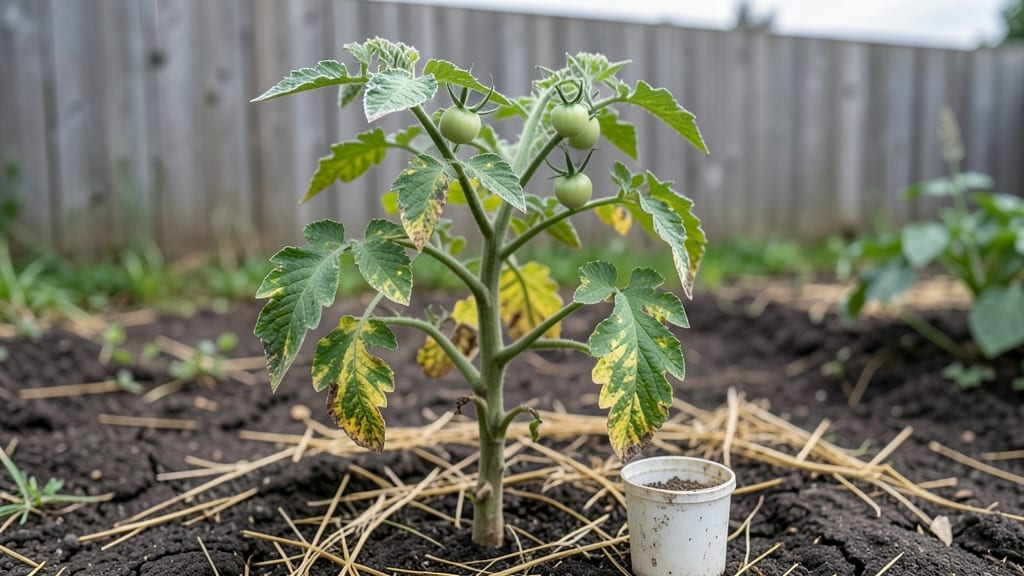
When your plants look like they’re starving even with plenty of water, zinc deficiency might be the culprit. 🌱 I’ve seen it in my own garden—leaves turning yellow between the veins while the rest stays green, stunted growth, and tiny leaves that look like they’re fighting for their lives.
The good news? Companion plants can help restore balance fast.
Zinc deficiency often sneaks up when soil pH is too high or phosphorus levels are off the charts. My go-to fix starts with adding zinc-rich companions like marigolds, nasturtiums, or clover near affected plants. These allies not only improve soil health but also help plants absorb zinc more efficiently.
For a quick boost, a sprinkle of zinc sulfate granules around the roots works wonders in just a few weeks.
You’ll notice new growth within 2-3 weeks—healthier leaves, stronger stems, and plants that finally look like they’re thriving. The key is acting fast before the deficiency spreads. Pair this with a soil test to pinpoint the root cause, and you’ll have a garden that’s not just surviving but flourishing.
Works for vegetables, fruits, and even ornamentals—just adjust the companion plants based on what’s already in your garden. Let’s get those plants back on track!
📚 In This Guide
- What you need
- Instructions
- Tips and common mistakes
- Wrapping up and next steps
What you need
- ● Zinc-rich soil amendments: Zinc sulfate (5–10 lbs per 100 sq ft for severe deficiency)
- ● Organic options: Eggshells (crushed, 1 cup per plant), composted manure (5 lbs per plant), or zinc-rich worm castings (2 lbs per plant)
- ● Companion plants: Marigolds (1–2 plants per 4 sq ft)
- ● Sunflowers (1 plant per 6 sq ft)
- ● Buckwheat (direct-seed 1 lb per 100 sq ft)
- ● Clover (1 lb seed per 100 sq ft)
- ● Diagnostic tools: pH test kit (ideal soil pH: 6.0–7.5 for zinc uptake)
- ○ Leaf analysis kit (optional but helpful for confirmation)
- ● Basic gardening tools: Garden trowel or hand fork
- ● Watering can or hose with spray nozzle
- ● Gloves (to protect hands from soil/amendments)
- ● Epsom salt (magnesium sulfate, 1 tbsp per gallon of water for foliar spray)
- ● Chelated zinc (for faster absorption, 1 tsp per gallon of water)
- ● Mulch (straw or wood chips to retain moisture and zinc)
- ● pH adjuster (lime to raise pH or sulfur to lower it, if needed)
Instructions for diagnosing and fixing zinc deficiency in plants
Here's how to spot zinc deficiency early and use companion plants for a quick recovery.
🌿 Step 1: Identify Zinc Deficiency Symptoms
Start by checking the youngest leaves—zinc deficiency first shows as yellowing between veins (chlorosis) while veins stay green. The edges may also develop a white or pale green fringe. Unlike nitrogen deficiency, the older leaves stay green because zinc moves poorly in plants.
Look for stunted growth, especially on new shoots. The plant may appear smaller than neighbors or have thickened stems from trying to compensate. If you see small, narrow leaves with a brittle texture, zinc deficiency is likely. Compare affected plants to healthy ones side by side.
💧 Step 2: Test Soil pH and Moisture
Zinc becomes less available in alkaline soil (pH above 7.0) or when soil stays too wet. Grab a small sample from the root zone and test the pH with a kit. If it reads 7.0 or higher, you’ll need to lower it with sulfur or peat moss over time.
Check moisture by digging down 2-3 inches—zinc leaches out in soggy soil. If the soil feels damp but not waterlogged, zinc is likely locked out. Waterlogged soil (where water pools) means zinc is being washed away. Let soil dry slightly between waterings to improve uptake.
☀️ Step 3: Introduce Zinc-Rich Companion Plants
Plant legumes like peas or beans nearby—they fix nitrogen and improve soil structure, helping roots access zinc. Add comfrey or clover as living mulch; their deep roots break up compacted soil where zinc often gets trapped.
For immediate results, interplant marigolds or nasturtiums. They suppress soil-borne pathogens that compete with roots for zinc. Avoid planting walnut trees nearby—they release juglone, a chemical that further stresses zinc-deficient plants.
⏰ Step 4: Apply Fast-Acting Zinc Solutions
Mix 1 tablespoon of zinc sulfate per gallon of water and apply as a foliar spray in the early morning. Cover both the top and undersides of leaves thoroughly. Repeat every 7-10 days until new growth shows darker green color.
For soil applications, sprinkle ½ cup of zinc sulfate per 100 square feet around the drip line. Water deeply afterward to help zinc penetrate the root zone. Avoid overapplying—excess zinc can harm beneficial microbes in the soil.
🌱 Step 5: Monitor and Adjust Care
After 3-4 weeks, check for improved leaf color and growth. If symptoms persist, retest soil pH and consider adding chelated zinc (a more plant-available form). Keep companion plants pruned to avoid shading your zinc-deficient plants.
Reduce high-nitrogen fertilizers—too much nitrogen worsens zinc deficiency by diluting its availability. Instead, switch to a balanced 10-10-10 fertilizer to support overall plant health while giving zinc a chance to work.
Tips & tricks for diagnosing and fixing zinc deficiency in plants
Here's how to speed up your plant's recovery and avoid common pitfalls that slow down results.
Visual Cues for Step 1: Don't just glance at the leaves—hold them up to natural light to spot the subtle yellowing between veins. Use a white piece of paper as a background to make the color contrast more obvious. I've found that comparing affected plants side by side with healthy ones highlights the difference immediately. The key is catching this in the youngest leaves first, as zinc deficiency shows up there before spreading.
Soil Test Timing: When testing soil pH in Step 2, take samples from multiple spots around your plant—especially where you notice the worst symptoms. I recommend testing in the morning when soil moisture is more consistent. If your soil tests at 7.0 or higher, don't panic—you can lower pH gradually over 3-4 months using sulfur or peat moss, but don't rush this process as sudden pH changes can stress plants further.
Companion Plant Placement: For Step 3, position your legumes and living mulch plants about 12-18 inches away from your zinc-deficient plants. This distance gives them room to grow while still benefiting the soil structure. I've seen the best results when planting marigolds in a checkerboard pattern around the affected plants—they create a natural barrier against soil pathogens while improving zinc availability.
Zinc Application Strategy: When applying zinc sulfate in Step 4, focus on the soil around the drip line rather than just the base of the plant. This ensures zinc reaches the root zone where it's most needed. For foliar sprays, use a handheld sprayer with a fine mist setting to coat leaves thoroughly. I've found that applying in the early morning prevents the solution from evaporating quickly and gives leaves time to absorb the zinc before afternoon heat sets in.
Pro Tips for Zinc Deficiency Plants
- Here's how to speed up your plant's recovery and avoid common pitfalls that slow down results.
- Visual Cues for Step 1: Don't just glance at the leaves—hold them up to natural light to spot the subtle yellowing between veins.
- Soil Test Timing: When testing soil pH in Step 2, take samples from multiple spots around your plant—especially where you notice the worst symptoms.
Frequently asked questions
about zinc deficiency in plants—and how companion planting can help!How do I know if my plants have zinc deficiency?
Look for stunted growth, yellowing leaves (especially between veins), and poor fruit development. Young leaves may appear twisted or distorted. Test soil pH—zinc is less available in alkaline or high-phosphorus soils. If unsure, a soil test kit ($10–$20) confirms deficiencies.
How quickly can companion plants fix zinc deficiency?
Companion plants like marigolds, nasturtiums, or clover improve soil zinc over time (weeks to months). For fast results, apply chelated zinc (liquid or granular) every 4–6 weeks while growing zinc-boosting companions. Mulching with compost also helps.
What’s the best companion plant for zinc-deficient tomatoes?
Pair tomatoes with marigolds (repel pests + release zinc) or basil (improves nutrient uptake). Avoid planting near walnuts or pines, which deplete zinc. Interplant with clover to fix nitrogen and mobilize zinc in the soil.
Is zinc deficiency worse in organic vs. conventional gardening?
Both systems can suffer, but organic gardens may need more proactive fixes (compost, manure, or zinc-rich amendments like bone meal) since synthetic fertilizers aren’t used. Companion planting (e.g., mustard greens) works in both—but conventional gardens can use zinc sulfate faster.
Can too much zinc hurt my plants?
Yes! Excess zinc (from over-fertilizing) causes toxic buildup, stunting growth and browning leaves. Stick to recommended rates (e.g., 0.5–1 lb zinc sulfate per 100 sq ft) and water thoroughly after applying. Companion plants help regulate zinc naturally.
Wrapping up and next steps
Zinc deficiency in plants doesn’t have to be a silent killer for your garden! By leveraging the power of companion planting—like teaming up marigolds, nasturtiums, or legumes with zinc-hungry crops—you can naturally boost soil health and root uptake.
Remember, consistency is key: monitor soil pH, mulch wisely, and rotate crops to keep zinc levels balanced.
Now that you’re armed with these fast fixes, it’s time to roll up your sleeves and give your plants the zinc boost they deserve. 🌱 Start small—pick one companion plant to test this season—and watch your garden thrive! Happy planting!