
Plants
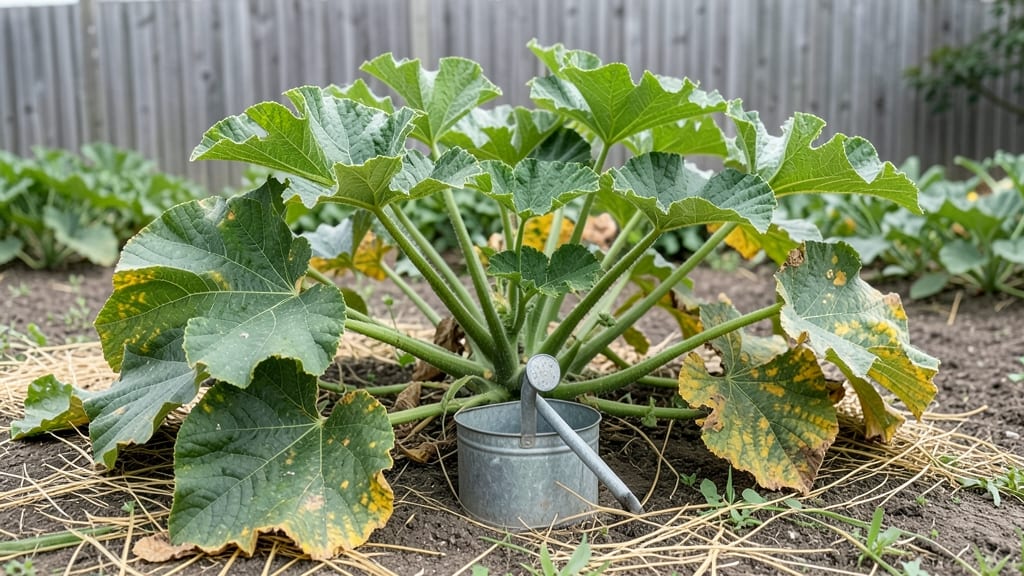
When pumpkin plant leaves turn yellow, it’s your plants’ SOS signal—and I’ve seen this happen more times than I can count in my own garden. 🌱 The good news? Most yellowing leaves are fixable with simple adjustments, whether it’s too much water, a hidden pest, or a nutrient that’s missing.
I’ll walk you through the most common causes and exactly how to turn those sad, yellowing vines back into lush, productive plants.
Overwatering is the #1 culprit, followed by nutrient deficiencies like nitrogen or magnesium. Fungal diseases and pests like squash vine borers also sneak in, especially when vines are stressed.
The key is checking the soil, leaves, and stems first—yellowing often starts at the older leaves (a classic sign of overwatering) or spreads in patches (a red flag for disease). I’ve saved entire plants by catching these early, and you can too.
You’ll learn how to test your soil, adjust watering habits, and spot-treat pests organically—without losing your harvest. Within a week of making the right fix, you’ll see fresh green leaves pushing out, and those vines will be back to their vigorous selves.
The best part? Prevention is simple once you know what to watch for.
Even if you’ve tried everything, sometimes it’s time to call in backup. I’ll tell you when to consult a local extension office or gardening pro, so you don’t waste time on guesswork. Let’s get those pumpkins thriving again—healthy vines mean bigger, sweeter fruit by harvest time.
Root causes behind yellowing leaves
When your pumpkin plant’s leaves start turning yellow, it’s often a cry for help—your plant is trying to tell you something’s off. 🌱💨 Understanding the why behind the discoloration is the first step to saving your vines.
Below, we break down the most common culprits, backed by science, so you can diagnose and fix the issue before it spreads.
Yellowing leaves are a classic sign of waterlogged roots. Pumpkin plants thrive in well-draining soil, and when they sit in soggy conditions, their roots suffocate, starving the plant of oxygen. This triggers chlorosis—the loss of chlorophyll—causing leaves to turn yellow, especially near the edges or between veins.
Why it happens:
- Excess moisture disrupts nutrient uptake, particularly nitrogen, which is essential for leaf health.
- Waterlogged soil promotes root rot (often caused by Phytophthora or Pythium fungi), cutting off the plant’s lifeline.
- Compacted or clay-heavy soil holds too much water, worsening the problem.
Actionable fix: Let the top 2–3 inches of soil dry out between waterings. Amend heavy soil with compost or perlite to improve drainage, and consider raised beds if your garden stays waterlogged.
Nitrogen is the building block of chlorophyll, and when levels drop, leaves lose their green pigment, turning yellow—often starting on older leaves first. This is called nitrogen deficiency, and it’s one of the most common reasons for yellowing in pumpkin plants.
Why it happens:
- Pumpkins are heavy feeders, and depleted soil (especially after multiple harvests) lacks the nitrogen needed for vigorous growth.
- Overwatering or leaching washes away nitrogen before roots can absorb it.
- Imbalanced fertilizers (too much phosphorus or potassium) can also starve the plant of nitrogen.
Actionable fix: Test your soil’s pH (ideal: 6.0–6.8) and amend with organic matter like compost or a balanced fertilizer (e.g., 10-10-10). For a quick boost, use liquid fish emulsion or blood meal every 2–3 weeks during the growing season.
Pumpkin plants are warm-season crops, but extreme heat or sudden temperature swings can shock them, leading to yellowing—especially on leaves exposed to direct sunlight. High temperatures also increase transpiration (water loss), causing stress and nutrient imbalances.
Why it happens:
- Temperatures above 90°F (32°C) for prolonged periods disrupt photosynthesis, leading to yellowing and even leaf scorch.
- Cold snaps or nighttime temps below 50°F (10°C) can stunt growth and trigger chlorosis.
- Windburn or excessive sun exposure (especially in dry conditions) dries out leaves, mimicking nutrient deficiencies.
Actionable fix:
- Provide afternoon shade (use shade cloth if temps soar).
- Mulch heavily to keep roots cool and retain moisture.
- Avoid planting in low-lying areas where cold air pools.
Yellowing leaves can signal pathogen attacks, particularly if you notice spots, wilting, or a slimy texture. Fungal diseases like powdery mildew or downy mildew thrive in humid conditions, while bacterial infections (e.g., Erwinia) cause yellowing with a rotten smell.
Why it happens:
- Powdery mildew (white, powdery patches) clogs leaf pores, blocking sunlight and causing yellowing.
- Downy mildew (yellow spots on top, fuzzy growth underneath) thrives in wet foliage.
- Bacterial leaf spot (water-soaked yellow/brown lesions) spreads via splashing water or contaminated tools.
Actionable fix:
- Remove and destroy infected leaves immediately to prevent spread.
- Apply copper fungicide or neem oil preventatively (especially before rainy seasons).
- Space plants for good airflow and water at the base (not overhead).
Pests like aphids, spider mites, or squash bugs drain sap from leaves, causing them to yellow, curl, or develop stippling (tiny white dots). These insects excrete honeydew, which attracts sooty mold—a black fungal growth that further stresses the plant.
Why it happens:
- Aphids and spider mites pierce cells, disrupting nutrient flow and chlorophyll production.
- Squash bugs lay eggs in soil, and their nymphs feed on roots and stems, weakening the plant.
- Overcrowded plants attract pests faster due to poor airflow.
Actionable fix:
- Blast pests off with a strong spray of water or use insecticidal soap.
- Introduce beneficial predators like ladybugs or lacewings.
- Apply diatomaceous earth around the base to deter crawling pests.
💡 Pro Tip: Always check the pattern of yellowing—older leaves? Likely nitrogen. Younger leaves? Could be magnesium or heat stress. And if yellowing spreads unevenly with dark spots, disease is probably the culprit.
Quick Fixes for Yellowing Pumpkin Leaves
Now that you’ve pinpointed the issue, let’s tackle those yellowing pumpkin leaves with targeted, easy-to-follow solutions. Whether it’s a watering woe, nutrient deficiency, or pesky pests, these fixes will help your vines bounce back—fast! 🌱💚
Signs: Yellowing leaves with mushy stems, wilting despite damp soil, or waterlogged roots.
How to Fix It: 🔥 Step 1: Pause Watering Immediately Skip the next 2–3 waterings to let the soil dry out. Yellowing from overwatering is often reversible if caught early.
🍳 Step 2: Check Your Soil Dig a small hole near the base of the plant. If the soil smells sour or feels soggy, drainage is the problem. Pumpkins hate wet feet!
👨🍳 Step 3: Improve Drainage
- Raise the beds: If growing in containers, add perlite or sand to the soil mix (aim for 20% amendment).
- Elevate pots: Place containers on saucers with pebbles or a trellis to keep roots off standing water.
- Mulch smartly: Use straw or shredded leaves (not plastic!) to retain just enough moisture while preventing compaction.
🥘 Step 4: Repot if Needed If roots are rotting (black/mushy), trim the affected parts with sterilized scissors and repot in fresh, well-draining soil.
Prevention Tips: ✨ Water deeply but infrequently: Aim for 1–2 inches per week (adjust for rain). Stick your finger 2 inches into the soil—water only if it’s dry. 🌡️ Avoid evening watering: Wet foliage overnight invites fungal diseases. Water early in the day.
Signs: Yellowing leaves with green veins (especially older leaves), stunted growth, or weak stems.
How to Fix It: 🔥 Step 1: Test Your Soil (Optional but Helpful) A DIY test kit (or local extension office) can confirm if nitrogen (N), potassium (K), or magnesium (Mg) are lacking.
🍳 Step 2: Apply Balanced Fertilizer - For nitrogen deficiency (pale yellow leaves): Sprinkle ½ cup of 10-10-10 fertilizer around the base, 6 inches from the stem.
Water lightly. - For magnesium deficiency (yellow patches between veins): Dust leaves with Epsom salt (1 tablespoon per gallon of water) or work ½ cup into the soil.
👨🍳 Step 3: Use Organic Boosters
- Compost tea: Brew a batch (1 part compost to 5 parts water, steep 24 hours) and water the soil.
- Banana peel tea: Chop peels, steep in water for 2 days, and use as a potassium-rich foliar spray.
- Fish emulsion: A quick nitrogen fix—dilute 1 tablespoon per gallon of water and spray on leaves.
🥘 Step 4: Adjust Watering Overwatering leaches nutrients. Let the top 1–2 inches of soil dry between waterings.
Prevention Tips: 💡 Side-dress with compost: Mix a handful of compost into the soil every 2–3 weeks. 🎯 Rotate crops: Avoid planting pumpkins in the same spot yearly to prevent nutrient depletion.
Signs: Yellowing with holes, chewed edges, or sticky residue (aphids), or spots with black mold (fungus).
How to Fix It: 🔥 Step 1: Identify the Culprit
- Pests: Squish a leaf to check for bugs (aphids, spider mites, cucumber beetles).
- Fungus: Look for powdery mildew (white fuzz) or bacterial spots (watery yellow patches).
🍳 Step 2: Manual Removal (For Pests) - Handpick: Drop pests into soapy water (1 tsp dish soap per gallon). - Neem oil spray: Mix 1 tablespoon neem oil + 1 tsp mild soap per quart of water.
Spray undersides of leaves every 5–7 days. - Row covers: Use lightweight fabric to block pests like cucumber beetles (remove at pollination time).
👨🍳 Step 3: Treat Fungal Issues
- Baking soda spray: Mix 1 teaspoon baking soda + 1 tablespoon oil + 1 quart water. Spray leaves weekly.
- Copper fungicide: Follow label instructions for bacterial spots.
- Prune infected leaves: Remove and destroy severely damaged foliage to stop spread.
🥘 Step 4: Improve Airflow
- Space plants 3–4 feet apart to reduce humidity.
- Train vines: Use trellises to lift pumpkins off the ground.
Prevention Tips: ✨ Crop rotation: Avoid planting cucurbits (pumpkins, squash) in the same spot for 3 years. 🌡️ Plant companion herbs: Basil or marigolds deter pests naturally.
Signs: Yellowing with crispy edges, wilting despite moist soil, or bleached leaves.
How to Fix It: 🔥 Step 1: Provide Temporary Shade
- Use shade cloth (30–50%) or a lightweight row cover during peak afternoon sun (1–4 PM).
- DIY hack: Prop up a white sheet or old bedsheet for partial shade.
🍳 Step 2: Mulch Heavily
- Apply 4–6 inches of straw or wood chips to keep roots cool and retain moisture.
👨🍳 Step 3: Water Strategically
- Deep watering at dawn reduces evaporation and heat stress.
- Avoid wetting leaves in hot sun to prevent scorch.
🥘 Step 4: Adjust Planting Time If possible, start seeds 2–3 weeks earlier in cooler weather or choose heat-tolerant varieties like ‘Howden’ or ‘Cinderella’.
Prevention Tips: 💡 Use black plastic mulch: Warms soil faster in spring but reflects heat away from leaves. 🎯 Drip irrigation: Keeps soil moist without wetting foliage.
Pro Tip: 🌟 Yellowing leaves can also signal transplant shock! If you recently moved your pumpkin, give it 1–2 weeks to adjust before diagnosing further.
Frequently asked questions
Why do pumpkin leaves turn yellow first on older ones?
This is usually a sign of nitrogen deficiency. Pumpkin plants prioritize sending nutrients to new growth, so older leaves yellow first when nitrogen levels drop. Check soil moisture too—overwatering can wash away nitrogen before roots absorb it.
Can yellowing pumpkin leaves spread to the fruit?
Not directly, but severe stress from yellowing leaves can reduce fruit quality. If the issue is nutrient deficiency or disease, the plant may divert energy away from fruit development. Fix the root cause quickly to protect your harvest.
How do I tell if yellow leaves are from overwatering vs. disease?
Overwatered leaves turn yellow with green veins and feel mushy, while disease often shows spots, wilting, or powdery growth. Check soil moisture—if it's soggy, it's likely overwatering. Disease may also spread unevenly with dark patches.
Will Epsom salt fix yellow pumpkin leaves?
Only if the issue is magnesium deficiency (yellow patches between veins). Mix 1 tablespoon Epsom salt per gallon of water and spray leaves weekly. For general yellowing, test soil first—nitrogen or potassium may be the real problem.
When should I remove yellow pumpkin leaves?
Remove only if they're diseased or pest-infested. Healthy yellow leaves still photosynthesize—pruning them too early stresses the plant. Wait until new growth appears, then trim only the worst-affected leaves.