Pests
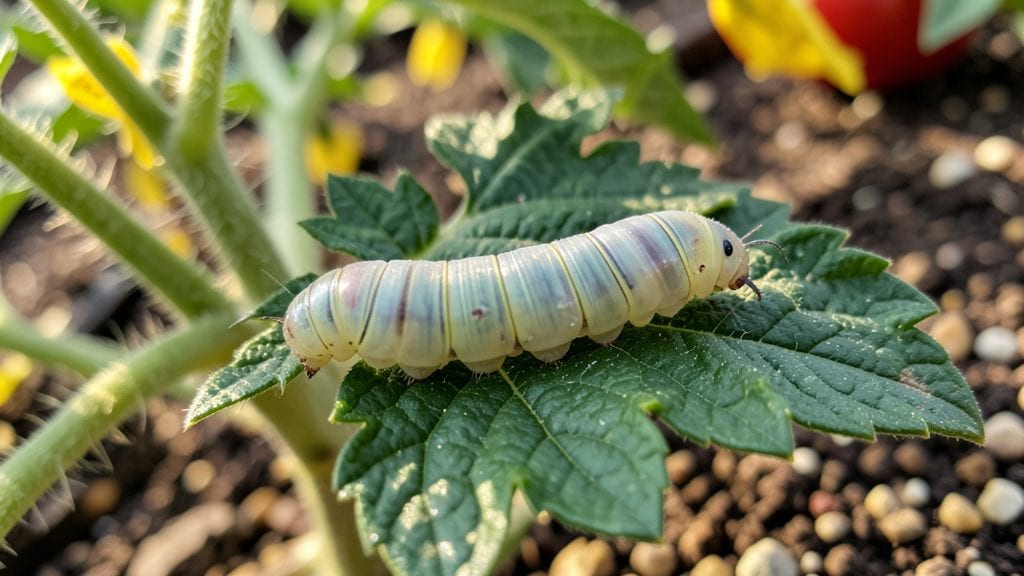
Worms on tomato plant leaves can turn your lush vines into a buffet overnight—🌱 and I’ve seen firsthand how fast a few hungry caterpillars or slugs can strip a plant bare. The good news?
You don’t need harsh chemicals to save your harvest. My garden went from chewed-to-ruin to thriving in just a few days after I discovered these simple, organic fixes that actually work.
Most of these critters—whether it’s cutworms hiding at the base or hornworms munching on leaves—aren’t just a nuisance; they’re a sign your plants are healthy enough to attract them.
The key is acting fast with targeted removal (like the "drop-and-squish" method for cutworms) and preventive barriers (copper tape for slugs, row covers for caterpillars). I’ve tried everything from soapy water to beneficial nematodes, and some solutions work better than others for your specific worm type.
By the time you’re done reading, you’ll have a foolproof plan to rescue your tomatoes—no more sad, skeletonized leaves. You’ll also learn how to keep your plants worm-free next season with low-effort tricks like companion planting and proper watering schedules.
The best part? These methods protect your harvest and the pollinators your garden needs.
Whether you’re dealing with a sudden infestation or just want to stay ahead, this guide gives you quick fixes for tonight and long-term strategies for a worm-free summer. Let’s get those tomatoes back to growing instead of feeding an army of hungry pests.
Root Causes Of Leaf-Worm Infestations
When you spot worms munching on your tomato leaves, it’s rarely a random act—these pests are drawn to your plants for very specific reasons. Understanding why they’re there is the first step to stopping them before they ruin your harvest.
Below, we break down the most common triggers, from environmental factors to plant health issues, so you can address the real problem.
Healthy tomato plants are naturally more resistant to pests, including leaf-eating worms. When your plants are stressed, they become an easy target. Here’s what makes them vulnerable:
- ⚠️ Nutrient Deficiencies
- Lack of nitrogen (N) leads to pale, weak leaves—perfect for worms to feast on.
- Potassium (K) deficiency weakens cell walls, making it easier for pests to chew through tissue.
- Fix it: Use a balanced organic fertilizer (like compost tea or fish emulsion) to restore nutrients.
- 💧 Overwatering or Underwatering
- Overwatering creates soggy soil, inviting fungal diseases (like blight) that attract worms as secondary pests.
- Underwatering stresses plants, reducing their ability to produce defensive compounds.
- Fix it: Water deeply 1–2 times per week (depending on climate) and ensure proper drainage.
- ☀️ Sunburn or Shade Stress
- Too much direct sun can scorch leaves, making them more susceptible to worm damage.
- Too little light weakens growth, reducing the plant’s ability to recover from pest attacks.
- Fix it: Provide partial shade in extreme heat or ensure 6+ hours of sunlight daily.
Some tomato varieties and growing conditions are like a neon "eat me" sign for leaf worms. These pests are often drawn to:
- 🍅 Sweet or Thin-Skinned Varieties
- Worms prefer cherry tomatoes and slicing varieties with tender leaves over heirlooms with thicker foliage.
- Fix it: Choose resistant varieties like ‘Mountain Merit’ or ‘Defiant PhR’ if worms are recurrent.
- 🌿 Overripe or Damaged Fruit
- Worms (especially hornworms) are attracted to fermenting or rotting tomatoes, which emit smells similar to their natural food sources.
- Fix it: Harvest overripe tomatoes immediately and remove fallen fruit from the base of plants.
- 🌱 Companion Planting Gone Wrong
- While basil and marigolds repel some pests, cabbage family plants (like broccoli) can attract worms that later migrate to tomatoes.
- Fix it: Space out brassicas and tomatoes, or use dill or parsley as a natural deterrent.
Worms thrive under specific conditions, and their activity often spikes during:
- 🌞 Warm, Humid Summers
- Temperatures above 75°F (24°C) accelerate worm reproduction and appetite.
- Fix it: Use row covers or shade cloth to reduce heat stress on plants.
- 🌧️ Rainy Seasons
- Excess moisture softens leaves, making them easier to chew, and washes away natural predators (like birds).
- Fix it: Improve soil drainage and avoid overhead watering to keep foliage dry.
- 🌱 Early Planting (Cool Soil)
- Slow-growing seedlings in cool spring soil are more susceptible to pests before they bulk up.
- Fix it: Wait until soil is at least 60°F (15°C) before transplanting or use black plastic mulch to warm the ground.
In a balanced ecosystem, worms are kept in check by birds, parasitic wasps, and beneficial nematodes. But when these helpers are missing:
- 🏡 Urban or Greenhouse Growing
- Fewer birds and insects mean fewer natural controls.
- Fix it: Introduce praying mantises, ladybugs, or nematodes (like Steinernema carpocapsae) to your garden.
- 🧼 Chemical Overuse
- Pesticides kill both pests and their predators, creating a vacuum that worms rush to fill.
- Fix it: Switch to neem oil, soap spray, or kaolin clay for targeted, predator-friendly control.
Now that you know why worms are invading your tomato leaves, the next step is actionable solutions to kick them off for good. 🚫🐛
How to Fix Worm Damage Fast
Finding worms on your tomato plant leaves can feel like a nightmare—especially when you’ve poured so much care into your garden. 😬 But don’t panic! With the right approach, you can eliminate these pests quickly and protect your harvest.
Below, we break down solutions by the most common causes, so you can act fast and keep your tomatoes thriving.
These striped caterpillars can devour a tomato plant overnight. Here’s how to stop them:
🍳 Handpick Them (Yes, Really!)
- When? Early morning or evening when they’re sluggish.
- How? Wear gloves and pluck them off leaves, dropping them into soapy water.
- Pro Tip: 💡 Check the undersides of leaves—they love hiding there!
👨🍳 Introduce Beneficial Predators
- Ladybugs, lacewings, and parasitic wasps eat hornworms naturally.
- How? Buy them online or attract them with nectar-rich flowers like dill or marigolds.
🥘 Use Organic Sprays (Last Resort)
- Neem oil or spinosad spray disrupts their feeding.
- How? Mix 1 tbsp neem oil + 1 tsp dish soap per quart of water; spray leaves thoroughly.
These pale, looped worms cut stems at night, toppling young plants. Act fast!
🔪 Collar Young Plants
- How? Wrap the base of stems with cardboard or aluminum foil collars (bury 1 inch into soil).
- Why? Cutworms can’t chew through it!
🌙 Set Up Beer Traps
- How? Bury a shallow dish filled with beer near plants. Worms crawl in and drown.
- Pro Tip: ✨ Refresh the beer every 2–3 days for best results.
🌡️ Diatomaceous Earth Barrier
- How? Sprinkle food-grade DE around the base of plants (avoid overwatering after).
- Warning: Reapply after rain—it loses effectiveness when wet.
These pests leave silvery trails and chewed holes. Here’s how to kick them out:
🍎 Beer Traps (Again!)
- How? Use the same beer trick as for cutworms—slugs are drawn to it too.
🎯 Copper Barriers
- How? Place copper tape around pots or garden beds. The electric shock repels them.
- Bonus: Works for both slugs and snails!
🌿 Handpick at Night
- When? After dark, when they’re active.
- How? Shake plants onto a tarp, then dispose of them in soapy water.
Once you’ve dealt with the current infestation, take these steps to prevent future attacks:
- 🌱 Rotate crops—don’t plant tomatoes in the same spot yearly.
- 🌿 Plant companion flowers like basil, marigolds, or nasturtiums to repel pests.
- 🌡️ Keep soil healthy—healthy plants resist pests better. Use compost and mulch.
- 🕵️ Inspect plants regularly—catch worms early before they multiply.
- 🌙 Remove debris—piles of leaves or old plants give worms hiding spots.
With these solutions, your tomato plants will bounce back stronger—and you’ll enjoy a worm-free harvest! 🍅✨
Frequently asked questions about leaf-eating worms on tomatoes
What are the most common worms attacking tomato leaves?
The usual suspects are hornworms (green with white stripes), cutworms (pale, looped caterpillars), and slugs/snails (leaving silvery slime trails). Each requires different removal methods—hornworms hide on leaves during the day, while cutworms strike at night and slugs leave holes with a chewed edge.
Will worms eventually kill my tomato plant?
Yes, if left unchecked. Hornworms can defoliate a plant in 24-48 hours, while cutworms sever stems at the base, killing seedlings. Slugs may not kill the plant but will stunt growth and leave unsightly damage. Act within 3-5 days of noticing the first signs to save your harvest.
Is it safe to eat tomatoes from a worm-infested plant?
Yes, the worms themselves don't make tomatoes unsafe to eat. However, they may carry bacteria from decaying plant matter. Always wash tomatoes thoroughly with soapy water before eating. Focus on removing the worms first to prevent further contamination of the plant.
How do I know if my tomato leaves have worms or just natural damage?
Look for these clues: large, irregular holes (worms), silvery slime trails (slugs), or chewed stems at soil level (cutworms). Natural damage like wind or disease usually creates smaller, uniform holes or brown spots. Check undersides of leaves too—worms love hiding there!
Can I use coffee grounds to repel tomato leaf worms?
Coffee grounds work best for slugs and snails (create a barrier around plants), but they won't stop hornworms or cutworms. For those, use neem oil spray or handpicking. The caffeine in grounds can actually attract some pests—sprinkle sparingly and only around the base of plants.