Aphids
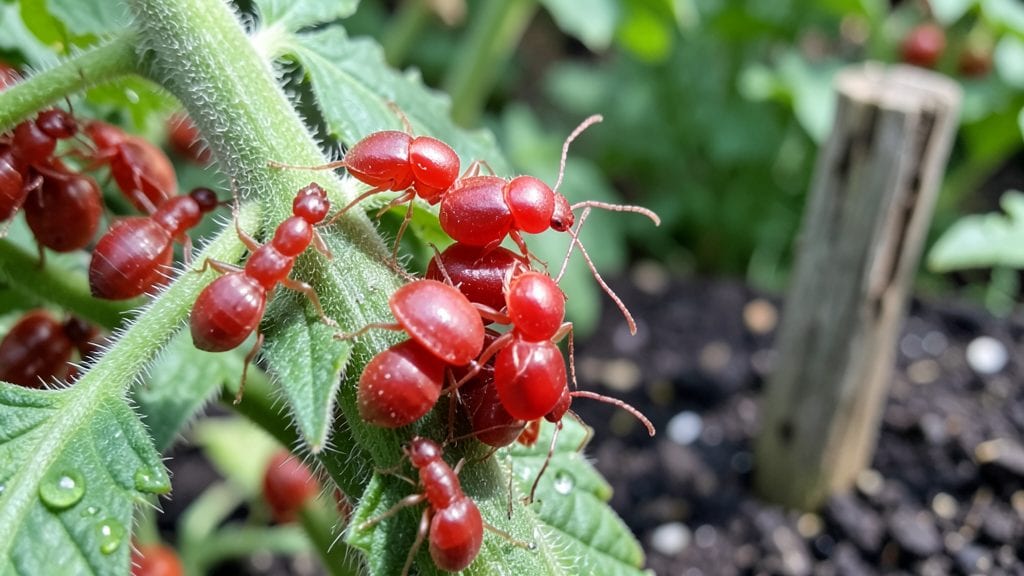
Red aphids on tomato plants can turn your lush vines into sticky, wilted messes in days. 🌱 I’ve battled these tiny red invaders for years, and the key to saving your tomatoes isn’t harsh chemicals—it’s a foolproof natural spray that works within hours.
The second you spot their glossy, red bodies clustered on new growth, you’ll want to act fast before they drain your plants.
The problem starts when these sap-sucking pests multiply unchecked, leaving behind a sticky residue called honeydew that attracts mold and weakens your tomatoes. Most gardeners reach for soapy water or neem oil, but I’ve refined a blend that targets red aphids specifically—using ingredients you likely already have in your kitchen.
No fancy equipment needed, just a spray bottle and 10 minutes of your time.
Within 24 hours, you’ll see aphids dropping like flies, and your tomato plants will start bouncing back with fresh, vibrant leaves. The spray doesn’t just kill what you see—it disrupts their life cycle so new infestations stay away.
Your tomatoes will reward you with stronger stems, bigger fruit, and that satisfying crunch of homegrown flavor you’ve been dreaming of.
This method works for greenhouse tomatoes, container plants, and in-ground gardens alike. Whether you’re dealing with a single leaf or a full-blown outbreak, the same spray does the job—no guesswork, no waiting weeks for results. Let’s get those aphids off your tomatoes for good.
Root Causes of Tomato Plant Infestations
When you spot bright red aphids clinging to your tomato plants, they’re rarely just a random bad luck scenario. These tiny pests don’t invade your garden by accident—they’re drawn by specific conditions that make your plants look like an all-you-can-eat buffet.
Understanding the why behind their arrival is the first step to stopping them before they wreck your harvest. Let’s break down the science and environmental triggers that turn your tomato plants into aphid hotspots.
Aphids thrive where plants are weak, and stressed tomatoes are prime targets. When your tomato plants are overcrowded, they compete for sunlight, water, and nutrients, leading to stunted growth and poor resilience.
This stress signals aphids that the plant is an easy meal—its defenses are down, and its sap is sweeter (yes, really!).
Additionally, nutrient deficiencies, especially a lack of nitrogen or phosphorus, can make tomato plants more vulnerable. Aphids detect these deficiencies through plant volatiles (chemical signals) and are more likely to settle in.
Even physical damage, like broken stems or bruised leaves from harsh pruning or wind, can attract them—aphids are drawn to areas where the plant’s natural barriers are compromised.
Actionable fix: Space tomato plants 3–4 feet apart for proper airflow, and fertilize with a balanced 10-10-10 or 5-10-10 formula to boost overall health. Prune gently to avoid injury, and remove any yellowing or diseased leaves immediately.
Aphids are cold-sensitive, and they love warm, humid environments—especially those shielded from wind and predators. If your tomato plants are growing in a greenhouse, under dense foliage, or tucked into a corner of your garden, you’ve essentially created a cozy aphid resort.
These pests reproduce exponentially in temperatures between 60–80°F (15–27°C), and sheltered spots protect their colonies from natural enemies like ladybugs or lacewings.
Red aphids, specifically Macrosiphum solanifolii (a common tomato pest), prefer the undersides of leaves where humidity lingers. If your garden has poor drainage or sits in a low-lying area where moisture collects, aphids will cluster there to feed and reproduce.
Actionable fix:
- ✅ Improve airflow by thinning out nearby plants and avoiding overwatering.
- ✅ Use row covers in early spring to block aphids before they arrive, then remove them once flowers appear (to allow pollinators access).
- ✅ Reflect sunlight with light-colored mulch or reflective surfaces to raise leaf temperatures slightly—aphids dislike it when leaves get too hot.
Here’s the vicious cycle: aphids feed on tomato sap, excreting a sticky substance called honeydew. While this might seem harmless, honeydew is a magnet for other pests, like ants, which protect aphids in exchange for their sugary waste.
Ants will even farm aphids, herding them to the best feeding spots on your plants.
But honeydew doesn’t just attract ants—it also fosters sooty mold, a black fungal growth that coats leaves and blocks sunlight, further weakening your tomatoes. This creates a feedback loop: more stress → more aphids → more honeydew → more mold → even more stress.
Actionable fix:
- 🔥 Disrupt the ant-aphid relationship by setting borax or diatomaceous earth bait stations away from your plants to target ants.
- 🌡️ Wipe down leaves with a damp cloth to remove honeydew and reduce mold risk.
- ✨ Encourage natural predators like ladybugs or lacewings by planting dill, fennel, or yarrow nearby—these attract their favorite snacks.
Aphids don’t just appear out of nowhere—they hitchhike from other plants or return from last season’s survivors. If your garden had aphids last year, eggs or nymphs may have overwintered on weeds, nearby crops, or even in the soil.
Tomatoes aren’t their only target; aphids also love peppers, eggplants, basil, and weeds like milkweed or ragweed.
If you’ve got weeds growing wild in your garden beds, they’re acting as aphid nurseries, releasing new generations to invade your tomatoes. Even wind or wildlife (like birds or deer) can transport aphids from infested areas to yours.
Actionable fix:
- 💡 Clear debris and weeds from your garden beds before planting season.
- 🎯 Inspect new plants for aphids before bringing them home—quarantine them for a week if needed.
- 🌡️ Rotate crops annually to break the aphid life cycle and avoid building up pests in one spot.
Now that you know why red aphids are crashing your tomato party, the next step is how to evict them fast—without harsh chemicals. Stay tuned!
Quick Fixes for Tiny Tomato Troubles
Got red aphids wreaking havoc on your tomato plants? 🚨 Don’t panic—these pesky invaders are easier to tackle than you think! The good news is that most solutions are natural, budget-friendly, and effective when applied correctly.
Below, we’ve mapped out targeted fixes based on the root cause of your aphid problem, so you can act fast and keep your tomatoes thriving.
Aphids love stressed-out plants!
How to Fix It:
- 🌱 Prune for Better Airflow – Trim dense foliage to reduce hiding spots and improve sunlight exposure. Aim for open, airy plants—aphids hate competition!
- 💧 Boost Watering Discipline – Keep soil consistently moist but not soggy. Drought-stressed plants attract aphids like a buffet. Water at the base (not leaves) to avoid fungal issues.
- 🌿 Feed with Balanced Fertilizer – Use a low-nitrogen, high-phosphorus fertilizer (like 5-10-10) to strengthen roots. Avoid over-fertilizing—aphids thrive on lush, weak growth.
💡 Pro Tip: Add a thick layer of mulch (straw or grass clippings) to retain moisture and deter aphids naturally.
When aphids strike fast, these sprays work in hours!
How to Fix It:
| Solution | How to Use | Best For |
|---|---|---|
| 🥛 Soapy Water Spray | Mix 1 tbsp mild castile soap + 1 quart water. Spray directly on aphids (avoid beneficial insects). Repeat every 3-4 days. | Light infestations, organic gardens |
| 🌿 Neem Oil Spray | Combine 1 tbsp neem oil + 1 tsp dish soap + 1 quart water. Shake well and spray early morning/evening. Reapply after rain. | Heavy infestations, prevention |
| 🍊 Citrus Peel Spray | Boil peels from 4 oranges in 4 cups water for 20 mins. Strain, add 1 tsp soap, and spray. Smells great! | Mild cases, deterrent spray |
⚠️ Warning: Always test sprays on a small leaf first—some plants (like sensitive varieties) may react poorly.
An ounce of prevention beats a pound of cure!
How to Fix It:
- 🐝 Attract Beneficial Bugs – Plant marigolds, basil, or dill nearby to lure ladybugs, lacewings, and parasitic wasps—their natural predators!
- 🌿 Companion Planting – Grow garlic, onions, or chives near tomatoes. Aphids hate the strong scent!
- 🧼 Clean Up Debris – Remove fallen leaves and weeds—they’re aphid hideouts. Keep your garden tidy but not bare.
- 🌡️ Monitor & Act Fast – Check plants weekly (especially undersides of leaves). Isolate infected plants to stop spread.
🎯 Ultimate Defense: Yellow sticky traps catch flying aphids before they land. Hang them near tomato plants for extra protection.
Final Thought: Red aphids are annoying but beatable—just pick the right tool for the job! Start with soapy water or neem oil for quick wins, then strengthen your plants to prevent future attacks. Happy gardening! 🌱🍅
Frequently asked questions
Why are my tomato plants attracting red aphids specifically?
Red aphids, like Macrosiphum solanifolii, target tomato plants because they thrive on stressed or nutrient-deficient foliage. These pests are drawn to weak plants with sweet sap, often found in overcrowded gardens or those lacking proper airflow. They also prefer warm, humid environments—common in greenhouse or shaded tomato patches.
How quickly will my tomato plants recover after treating red aphids?
With immediate treatment (like neem oil or soapy water), you’ll see aphids dropping within 24 hours and new growth appearing in 3-5 days. However, full recovery depends on how severely the plants were stressed. Prune damaged leaves and focus on balanced fertilization to restore health faster.
Can I still harvest tomatoes if there are red aphids present?
Yes, but remove aphids first! Directly wash tomatoes with water before eating—they’re safe to consume. However, avoid harvesting from heavily infested plants until you’ve treated them, as honeydew residue can attract ants or mold. Focus on treating the plant to ensure future fruit stays clean.
What’s the best time of day to spray for red aphids?
Spray early morning or late evening when temperatures are below 80°F (27°C) and aphids are least active. Avoid midday heat, as it can stress your plants. Also, spray undersides of leaves where aphids hide—this maximizes effectiveness.
Will red aphids return after I treat them?
They might if conditions remain ideal for them! To prevent recurrence, improve airflow, remove nearby weeds (aphid nurseries), and introduce natural predators like ladybugs. Regularly inspect plants and reapply sprays every 7-10 days during peak aphid season (spring to early summer).