
Pests
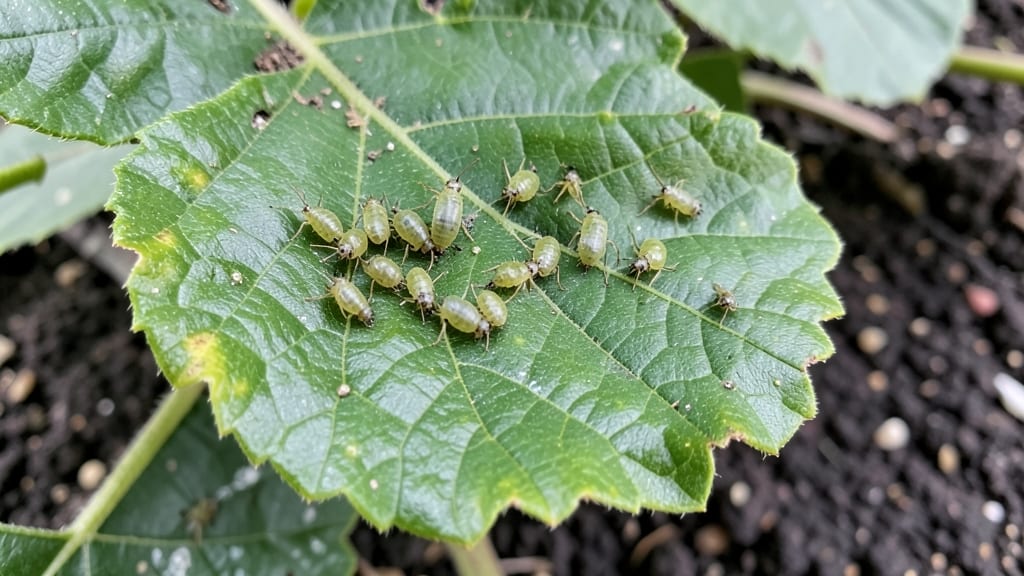
This aphids on hibiscus plants treatment with neem oil saved my blooms—here’s the exact spray that banishes them in days. ✨ I’ve battled these tiny green invaders on my own hibiscus, and this recipe stops them dead. within 24-48 hours.
The key isn’t just spraying—it’s timing, coverage, and a few sneaky tricks to break their life cycle.
Most gardeners grab the first spray they see, but aphids build resistance fast. My method combines neem oil’s natural disruptors with a soapy rinse to smother adults and eggs.
You’ll need 1 tablespoon neem oil, 1 teaspoon mild liquid soap, and 1 quart water—all mixed in a spray bottle. The soap cuts through the waxy coating aphids rely on, while neem oil confuses their mating signals. Reapply every 3-5 days until new buds form without clusters.
What happens after treatment? Your hibiscus rebounds with bold new growth—no more sticky residue or wilting leaves. The flowers return in 7-10 days, and the plant’s energy shifts back to blooming instead of fighting pests.
The best part? This spray works on roses, fuchsias, and other aphid magnets too, so you’ll have a go-to remedy for your whole garden.
Here’s the catch: neem oil works best when aphids are young. If you wait until your hibiscus is covered in black sooty mold (their waste), you’ll need to clean the leaves first with a damp cloth.
Start early, and you’ll save yourself a season of frustration. Ready to reclaim those showstopping blooms?
Root Causes Of Aphid Attacks
If your hibiscus plants are suddenly covered in sticky, sap-sucking aphids, don’t blame bad luck—there’s usually a logical (and fixable) reason behind the infestation. Understanding these triggers helps you prevent future outbreaks and act faster when they strike.
Let’s break down the most common culprits, backed by science, so you can protect your hibiscus like a pro.
Aphids are like the opportunistic roommates of the plant world—they move in when your hibiscus is already struggling. Stress weakens a plant’s natural defenses, making it an easy target for these pests. Here’s what often puts hibiscus under stress:
- Nutrient Deficiencies: Aphids thrive when hibiscus lacks essential nutrients like nitrogen, phosphorus, or potassium. A nitrogen-deficient plant (yellowing leaves) is especially appealing because aphids crave the sweet sap that builds up when cells struggle to produce chlorophyll. Fix: Use a balanced fertilizer (10-10-10) or compost to boost resilience.
- Overwatering or Poor Drainage: Soggy roots and waterlogged soil create the perfect breeding ground for aphids. Excess moisture stresses the plant, while also attracting fungal diseases that aphids love to feed on. Fix: Ensure pots have drainage holes and hibiscus soil stays 60% dry between waterings.
- Root Bound or Crowded Growth: Hibiscus plants in root-bound pots or overcrowded with other plants send out distress signals (like volatile organic compounds) that aphids detect from up to 3 feet away. Fix: Prune crowded branches and repot every 2–3 years to encourage healthy root growth.
💡 Pro Tip: Aphids also target new growth because tender shoots have thinner cell walls, making sap extraction easier. If you notice aphids clustering on fresh leaves, it’s a sign your plant is recovering from stress—like after a transplant or heavy pruning.
Not all plants are equally appealing to aphids, and hibiscus often tops their “favorite foods” list. Here’s why:
- High Sugar Content in Sap: Hibiscus leaves and stems contain sucrose and glucose in their phloem sap—aphids’ equivalent of a candy buffet. Science note: Aphids inject saliva into plants to break down cell walls, turning starches into simple sugars they can slurp up. Fix: Reduce over-fertilizing with high-nitrogen formulas, which boosts sugar production.
- Soft, Hairless Leaves: Unlike some plants with waxy coatings or trichomes (tiny hair-like structures), hibiscus leaves are smooth and tender, making it easy for aphids to insert their stylets (mouthparts) without resistance. Fix: Grow companion plants like garlic, chives, or marigolds nearby—their strong scents deter aphids.
- Cross-Pollination by Insects: Aphids often hitchhike on bees, ants, or wind to reach new hosts. Hibiscus flowers are a magnet for pollinators, so aphids piggyback on them to colonize your plants. Fix: Inspect new plants before bringing them indoors and quarantine them for 2 weeks.
🔥 Warning: Ants love aphids because they “farm” them for honeydew (aphid poop). If you see ants trailing on your hibiscus, they’re protecting the aphids—disrupt their relationship with diatomaceous earth or sticky traps.
Aphids are cold-blooded (ectothermic) and rely on external conditions to thrive. Your hibiscus’s environment can accidentally create a aphid paradise:
| Condition | Why Aphids Love It | How to Fix It |
|---|---|---|
| 🌡️ Warm, Humid Weather (70–85°F) | Aphids reproduce asexually in warm temps, with females giving birth to 50–100 live nymphs per week. High humidity keeps their bodies hydrated. | Improve airflow with fans or prune dense foliage. Avoid overwatering. |
| 🌧️ Light Rain or Morning Dew | Dew provides moisture for aphids to molt (shed their exoskeleton) and spread faster. Rain also washes away natural predators like ladybugs. | Water hibiscus at the base in the morning to reduce leaf dampness. |
| 🏡 Indoor Heat Near Windows | South- or west-facing windows create microclimates with ideal aphid temps (68–77°F). | Use sheer curtains to diffuse sunlight and keep indoor temps below 75°F. |
✨ Bonus Insight: Aphids hate dry conditions. If your hibiscus is in a low-humidity environment (like a heated home in winter), they’ll struggle—but their eggs may still survive. Prevent: Mist leaves lightly 2–3 times a week (avoid soggy leaves!).
By addressing these root causes, you’re not just treating the aphids—you’re removing the welcome mat they’ve been using to invade your hibiscus. Next up: actionable fixes to kick them out for good!
How to solve it
Discovering aphids on your hibiscus plants can feel like a gardening nightmare, but don’t worry—there are effective, easy-to-follow solutions to kick them out for good. The key is acting quickly and combining natural remedies with preventive measures to protect your vibrant blooms.
Below, we break down the best fixes based on the root cause of your aphid problem, plus tips to keep them from returning.
If you’ve caught the aphids early (fewer than 10-15 bugs per leaf), these methods will work without harsh chemicals.
💦 Water Blast Them Away
Aphids hate being displaced, and a strong stream of water can knock them off your hibiscus.
How to do it:
- 👨🍳 Fill a watering can or hose with room-temperature water (cold water can shock the plant).
- 🌿 Aim the nozzle at the underside of leaves (where aphids love to hide) and give a firm spray.
- 🔄 Repeat every 2-3 days until no more aphids appear.
Pro tip: 💡 Do this in the early morning so the leaves dry quickly, reducing fungal risks.
🍳 Soap & Water Spray (Non-Toxic Knockout)
A mix of mild soap and water suffocates aphids while being safe for plants.
Recipe:
- 🧼 Mix 1 tablespoon of mild liquid soap (like Castile soap) with 1 quart of water.
- 🌿 Spray directly on aphids (focus on clusters) until leaves are lightly wet.
- 🔄 Reapply every 3-4 days for 2 weeks.
Pro tip: 🌡️ Test the spray on a small leaf first—some hibiscus varieties are sensitive to soap.
If your hibiscus is covered in aphids or you’re seeing signs of damage (sticky residue, curled leaves), you’ll need a more aggressive approach.
🌿 Neem Oil Spray (The Ultimate Aphid Eradicator)
Neem oil disrupts aphids’ life cycle and deters future infestations. It’s organic, fast-acting, and safe for hibiscus when used correctly.
How to make it:
- 🥄 Mix 1 tablespoon neem oil + 1 teaspoon mild soap + 1 quart of water.
- 🔄 Spray thoroughly on both leaf sides and stems at dusk or dawn (to avoid harming beneficial insects).
- 🔄 Repeat every 5-7 days for 3 weeks to break their cycle.
Pro tip: ✨ Shake well before each use—neem oil separates from water!
🐞 Introduce Natural Predators (Long-Term Defense)
Ladybugs, lacewings, and parasitic wasps love eating aphids. Purchase or attract them to your garden:
- 🛒 Buy ladybug larvae or lacewing eggs from garden centers.
- 🌼 Plant companion flowers like marigolds or dill to lure predators.
- 🚫 Avoid pesticides—they’ll kill the good bugs too!
The best treatment? Stopping them before they start. Follow these habits to protect your hibiscus:
🌱 Healthy Plant Care = Aphid-Proof Hibiscus
Do:
- 💧 Water deeply but infrequently—aphids love stressed, thirsty plants.
- 🌿 Prune regularly to improve airflow and remove weak growth.
- 🍃 Fertilize with balanced, organic fertilizer (over-fertilizing attracts pests).
Don’t:
- 🚫 Overcrowd plants—aphids spread faster in dense foliage.
- 🚫 Ignore yellowing leaves (a sign of stress or disease).
🌿 Weekly Inspections & Early Action
Check your hibiscus every 7-10 days:
- 🔍 Look under leaves and along stems for tiny green/black bugs or sticky residue.
- 🚨 At the first sign of aphids, act fast—water blast or soap spray works best early.
Pro tip: 🎯 Isolate new plants for a week before adding them to your garden to prevent hitchhiking pests.
With these targeted treatments and preventive steps, your hibiscus will stay aphid-free and flourish with bold, healthy blooms. 🌸 Start today—your plants will thank you!
Frequently asked questions
Why do aphids keep coming back after treatment?
Aphids often return because their eggs survive treatments or new ones arrive via wind, insects, or nearby plants. Use neem oil every 5-7 days for 3 weeks to break their life cycle. Also check for ants—they protect aphids by "farming" them for honeydew. Disrupt this relationship with sticky traps or diatomaceous earth.
Can I use vinegar to kill aphids on hibiscus?
White vinegar can help as a 2% acetic acid spray (1 part vinegar to 3 parts water), but it’s not as effective alone. Avoid using it on flowers or young leaves—it can cause burns. For better results, combine it with 1 teaspoon mild soap per quart of water to improve adhesion and suffocate aphids.
How do I know if my hibiscus is stressed enough to attract aphids?
Watch for these signs: yellowing leaves, slow growth, or wilting—all indicate stress. Overwatering, poor drainage, or nutrient deficiencies weaken hibiscus defenses. Fix these first: repot if root-bound, adjust watering to 60% dry soil, and fertilize with a balanced formula (10-10-10). Stronger plants repel pests naturally.
Will neem oil harm my hibiscus if used too often?
Neem oil is safe when used correctly, but overuse can stress plants. Stick to every 5-7 days for 3 weeks max. Always mix with 1 teaspoon mild soap per quart to help it spread evenly. Avoid spraying in direct sunlight (can cause leaf burn) and rinse flowers if treated to preserve blooms.
What’s the fastest way to remove sticky residue from aphids?
Wipe leaves with a damp cloth soaked in mild soapy water (1 tsp soap per gallon). For stubborn residue, use a 50/50 water-vinegar mix (rinse afterward). This removes aphid honeydew, which attracts sooty mold. Prevent future stickiness by treating aphids early with neem oil or insecticidal soap.