
Pests
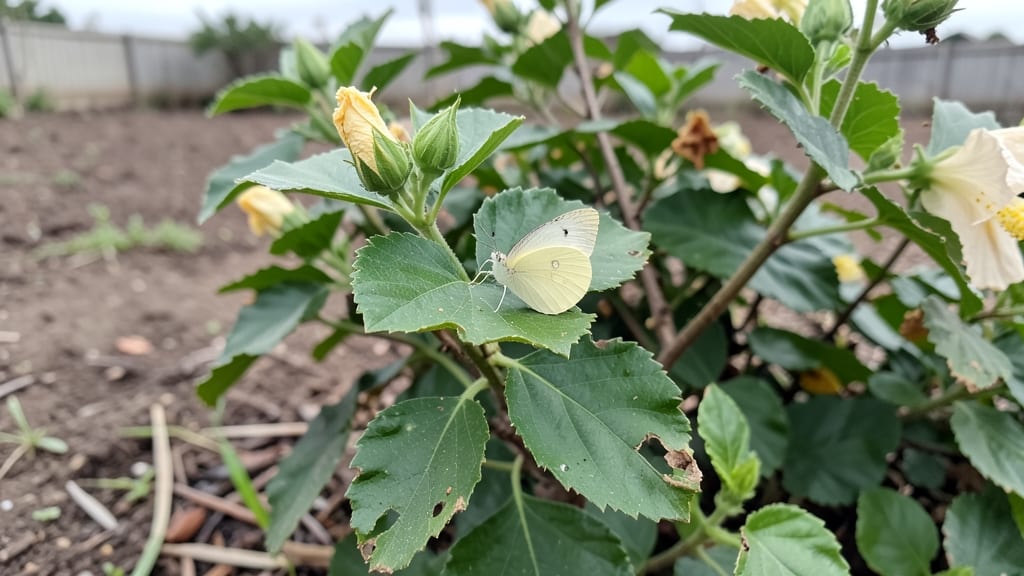
Hibiscus plants are commonly eaten by deer, rabbits, aphids, spider mites, and Japanese beetles, while caterpillars and slugs target leaves and stems. Deer and rabbits often strip foliage, while insects like spider mites cause yellowing and leaf drop.
Hibiscus plants face threats from both wildlife and insects, each leaving distinct signs of damage.
Deer and rabbits are notorious for completely defoliating plants, while Japanese beetles create a telltale pattern of skeletonized leaves. 🌿 Spider mites, though tiny, can weaken hibiscus by sucking plant juices, leading to yellowing and leaf drop.
Understanding these pests helps you choose the right defense strategy—whether it's physical barriers for large animals or targeted organic sprays for insects.
Identifying the culprit early is key to saving your hibiscus. For example, chewed edges on leaves point to deer or rabbits, while fine webbing between leaves signals spider mites. Japanese beetles leave behind a trail of half-eaten foliage, often targeting the healthiest leaves first.
Once you recognize the damage pattern, you can implement the most effective natural or chemical-free solution.
💡 In This Article
- Common Hibiscus Plant Pests and Their Damage Patterns
- Natural and Chemical-Free Ways to Protect Hibiscus
Common hibiscus plant pests and their damage patterns
Aphids are among the first pests to attack hibiscus, clustering on tender new growth and flower buds. These tiny, pear-shaped insects pierce plant cells with their stylets to extract sap, which triggers a defensive response in the plant.
The plant reacts by producing sticky honeydew—a sugary excretion that attracts ants and promotes sooty mold growth, further stressing the hibiscus. 🔥 A single aphid colony can multiply to 500+ individuals in just two weeks, creating curled leaves and stunted growth as the plant diverts energy to repair damage.
Spider mites, though microscopic, pack a devastating punch by spinning fine webs between leaves and feeding on chlorophyll-rich cells. Their damage appears as tiny yellow stipples that expand into large brown patches as they spread.
Unlike aphids, spider mites thrive in hot, dry conditions, which explains why hibiscus often suffers during summer droughts. A single mite can consume 5-10 plant cells per day, and their collective feeding weakens the plant's ability to photosynthesize, leading to premature leaf drop and flower bud abortion.
Japanese beetles create unmistakable damage by skeletonizing hibiscus leaves—stripping them of green tissue while leaving veins intact. These half-inch-long metallic green beetles feed in groups, often targeting the largest, most vigorous leaves first.
Their feeding reduces the plant's ability to produce energy, and severe infestations can defoliate hibiscus within 2-3 weeks. The beetles also release oral secretions that contain enzymes breaking down leaf surfaces, accelerating decay and inviting secondary infections.
Large herbivores like deer and rabbits approach hibiscus with a different strategy: complete defoliation. Deer, in particular, have a preference for hibiscus flowers due to their high sugar content, while rabbits target young stems and leaves.
A single deer can consume up to 7 pounds of foliage per day, and their grazing often occurs at dawn or dusk when temperatures are cooler. The damage appears as clean, jagged edges on leaves, and repeated browsing prevents hibiscus from flowering entirely.
Caterpillars and slugs add another layer of destruction by targeting hibiscus stems and roots. Caterpillars from moth species like the hibiscus looper chew irregular holes in leaves, while slugs leave behind silver trails of mucus and create ragged notches along leaf margins.
Slugs are particularly active at night, consuming up to 50% of a young hibiscus plant's foliage in a single evening. Their feeding creates entry points for fungal infections, further compromising plant health.
What most gardeners don't realize is how these pests interact synergistically. For example, spider mite infestations often follow aphid damage because the honeydew creates an ideal environment for their webs. Similarly, deer browsing can stress hibiscus enough to make it more vulnerable to root-feeding grubs.
Understanding these relationships helps you implement multi-layered defenses that address both the primary pest and secondary complications.