
Pests
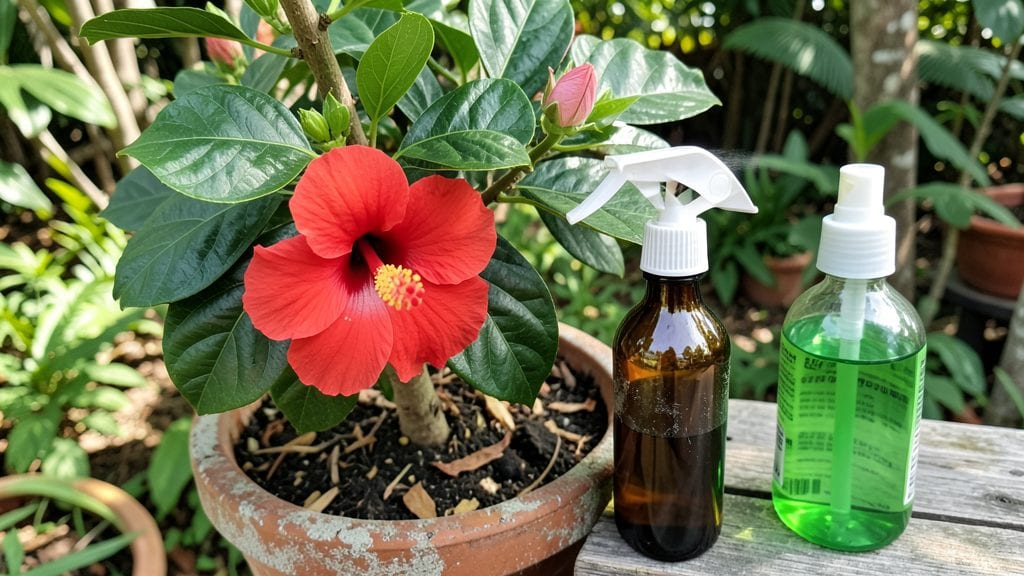
The hibiscus plant pest control battle begins when you spot those sneaky aphids turning leaves sticky or spider mites weaving webs on your tropical blooms—both can cripple growth if you ignore them. 🌿 The key is acting fast with targeted sprays and cultural fixes that work better than harsh chemicals.
Most hibiscus pests—aphids, mealybugs, and spider mites—thrive in dry, dusty conditions. I learned the hard way that overwatering isn’t the answer; instead, focus on consistent moisture and good airflow between plants.
A quick spray of neem oil (1 tablespoon per quart of water) knocks out early infestations, while pruning damaged leaves prevents spread.
You’ll see results within 3-5 days of treatment if you catch it early. Healthy hibiscus bounce back fast, with new growth pushing out pests naturally. The secret weapon? Companion planting—marigolds and basil nearby confuse pests and attract beneficial wasps that hunt them.
Works for both tropical and hardy hibiscus varieties, indoors or out. Once you master this, your plants will stay lush and blooming all season—no more sticky leaves or wilted buds. Let’s get those sprays mixed!
Root Causes Of Hibiscus Pest Problems
Hibiscus plants are stunning additions to any garden, but their vibrant blooms and lush foliage can sometimes attract unwanted pests. Understanding why these issues arise is the first step to preventing them.
Below, we break down the science behind common hibiscus pest problems—so you can address them effectively and keep your plants thriving.
Aphids, whiteflies, and fungal diseases like leaf spot thrive in humid, stagnant conditions. When hibiscus plants are too close together, airflow is restricted, trapping moisture and creating the perfect breeding ground for pests.
- Why it happens: Poor ventilation slows evaporation, keeping leaves damp longer—ideal for fungal spores and soft-bodied insects.
- Science behind it: High humidity (above 70%) and low light penetration weaken plant defenses, making hibiscus more susceptible to infestations.
- Actionable fix: Space plants 3–4 feet apart and prune to improve airflow. Avoid overhead watering, which can splash spores onto leaves.
When hibiscus lacks essential nutrients—especially nitrogen, phosphorus, or potassium—they become stressed and vulnerable to pests. Over-fertilizing can also disrupt microbial balance in the soil, attracting harmful insects.
- Why it happens: Malnourished plants produce weaker cell walls, making them easier targets for chewing insects (like spider mites) and sap-suckers (like aphids).
- Science behind it: Nitrogen deficiency reduces chlorophyll, while potassium deficiency weakens cell membranes—both make plants more attractive to pests.
- Actionable fix: Test soil pH (ideal: 6.0–6.5) and amend with compost or a balanced fertilizer (10-10-10). Avoid excessive nitrogen, which promotes soft, pest-prone growth.
Both overwatering and underwatering create stress that invites pests. Overwatering leads to root rot and fungal diseases, while drought-stressed plants attract sap-sucking insects desperate for moisture.
| Issue | Why It Happens | Pests/Diseases Attracted |
|---|---|---|
| Overwatering | Soggy soil suffocates roots, reducing plant resilience. Fungal spores thrive in wet conditions. | Leaf spot, root rot, aphids, whiteflies |
| Underwatering | Drought stress increases sugar content in leaves, making them more appealing to insects. | Spider mites, mealybugs, thrips |
Actionable fix: Water deeply but infrequently (1–2 inches per week), and ensure pots have drainage holes. Mulch to retain moisture without suffocating roots.
Hibiscus plants rely on natural predators—like ladybugs, lacewings, and parasitic wasps—to keep pests in check. When these helpers disappear due to pesticide use or habitat loss, pest populations explode.
- Why it happens: Broad-spectrum insecticides kill both pests and their predators, creating a vacuum that pests rush to fill.
- Science behind it: Studies show that chemical sprays can reduce beneficial insect populations by up to 90% within weeks.
- Actionable fix: Switch to targeted, natural sprays (like neem oil or insecticidal soap) and plant companion flowers (e.g., marigolds, dill) to attract predators.
💡 Pro Tip: Regularly inspect the undersides of leaves—this is where pests like aphids and spider mites hide. Early detection means easier control!
Quick Fixes for Common Hibiscus Pests
Pests and diseases can turn your vibrant hibiscus into a sad, spotted mess—but don’t worry! With the right approach, you can revive your plant and keep it thriving.
Below are practical, step-by-step solutions for the most common hibiscus pests and issues, along with prevention tips to keep your plant healthy long-term.
Signs: Sticky residue (honeydew), curled or yellowing leaves, visible clusters of tiny green/black bugs.
How to Treat It
🔥 Step 1: Isolate the Plant
- Move your hibiscus away from other plants to prevent aphids from spreading. Aphids multiply fast—acting quickly is key!
🍳 Step 2: Blast Them Off
- Use a strong spray of water (from a hose or spray bottle) to knock aphids off leaves. Repeat every few days until they’re gone.
👨🍳 Step 3: Apply Natural Sprays - Soap Solution: Mix 1 tbsp mild dish soap + 1 quart water. Spray directly on aphids (test on a small leaf first). - Neem Oil: Combine 1 tsp neem oil + 1 tsp mild soap + 1 quart water.
Spray leaves thoroughly (avoid flowers if possible). - Garlic Spray: Blend 2 garlic cloves + 1 quart water, strain, and spray. Aphids hate the smell!
🥘 Step 4: Introduce Beneficial Insects
- Ladybugs, lacewings, and parasitic wasps love eating aphids. Buy them online or attract them with companion plants like marigolds.
💡 Prevention Tips
- Inspect new plants before bringing them home.
- Encourage airflow—aphids thrive in crowded, humid conditions.
- Prune regularly to remove infested leaves immediately.
Signs: Dark spots with yellow halos, wilting leaves, or white powdery growth (if caused by mildew).
How to Treat It
🔥 Step 1: Remove Infected Leaves
- Snip off spotted or diseased leaves with clean pruners. Dispose of them in the trash (not compost).
🍳 Step 2: Improve Airflow & Light
- Space plants 3–5 feet apart to reduce humidity buildup.
- Water at the base (avoid wetting leaves) in the early morning so foliage dries quickly.
👨🍳 Step 3: Apply Fungicidal Sprays - Baking Soda Spray: Mix 1 tsp baking soda + 1 quart water + a few drops of soap.
Spray every 7–10 days. - Copper Fungicide: Use an organic copper spray (follow label instructions) for severe cases. - Hydrogen Peroxide (3%): Dilute 1 tbsp per quart of water and spray leaves (test first).
🥘 Step 4: Sterilize Tools & Soil
- Clean pruners with rubbing alcohol between cuts.
- Avoid overwatering—let the top 1–2 inches of soil dry out between waterings.
💡 Prevention Tips
- Water deeply but less often to prevent fungal growth.
- Avoid overhead watering—use drip irrigation or soaker hoses.
- Mulch around the base to improve drainage and reduce soil-borne fungi.
Signs: White cottony clusters (mealybugs), brown bumps (scale), or sticky honeydew on leaves.
How to Treat It
🔥 Step 1: Wipe Off Visible Bugs
- Use a damp cloth or cotton swab dipped in rubbing alcohol to manually remove pests.
🍳 Step 2: Drown Them in Soap or Oil
- Horticultural Oil: Apply dormant oil spray (follow instructions) to suffocate bugs.
- Soap Spray: Use the same dish soap solution as for aphids—reapply every 5–7 days.
👨🍳 Step 3: Use Systemic Solutions
- Neem Oil Systemic Spray: Mix 2 tbsp neem oil + 1 tsp soap + 1 quart water. Spray roots and leaves for long-term control.
- Beneficial Nematodes: For mealybugs in soil, apply Steinernema feltiae nematodes (microscopic worms that eat pests).
🥘 Step 4: Quarantine Severely Infested Plants
- If the infestation is bad, separate the plant until pests are gone to protect your garden.
💡 Prevention Tips
- Inspect new plants under leaves for hidden pests.
- Keep hibiscus healthy—stressed plants attract more pests.
- Rotate natural sprays to prevent resistance.
Signs: Fine webbing on leaves, stippled or yellowing foliage, and tiny moving dots.
How to Treat It
🔥 Step 1: Increase Humidity
- Spider mites love dry conditions. Mist leaves daily or place a tray of water near the plant.
🍳 Step 2: Blast Them Away
- Spray with water to dislodge mites (they hate moisture).
👨🍳 Step 3: Use Miticides
- Neem Oil: Spray every 5–7 days until mites disappear.
- Insecticidal Soap: Apply directly to webs under leaves.
- Predatory Mites: Release Phytoseiulus persimilis (beneficial mites) to eat the pests.
🥘 Step 4: Clean Up Debris
- Remove fallen leaves and webbing to eliminate hiding spots.
💡 Prevention Tips
- Avoid over-fertilizing—too much nitrogen attracts mites.
- Prune regularly to improve airflow.
- Check the undersides of leaves weekly for early signs.
No matter the pest, healthy hibiscus plants resist attacks better.
Follow these pro tips to keep your plant strong: ✨ Fertilize Right: Use a balanced, slow-release fertilizer (10-10-10) in spring and summer. ✨ Prune Smart: Remove dead or weak growth to encourage new, pest-resistant foliage. ✨ Rotate Sprays: Don’t rely on one solution—switch between soap, neem, and oil to avoid resistance. ✨ Monitor Regularly: Check leaves, stems, and soil every 2–3 days for early signs of trouble.
Final Thought: Most hibiscus pests can be eliminated naturally with consistency. The key is acting fast, staying vigilant, and keeping your plant happy—so it can bounce back stronger than ever! 🌿💚
Frequently asked questions
What are the first signs of spider mites on hibiscus?
Look for fine webbing on leaves and tiny moving dots (the mites themselves). Early signs also include stippled or yellowing foliage, especially on the undersides. These pests thrive in dry conditions, so check leaves regularly during hot, dry spells.
Can I use vinegar spray for hibiscus pest control?
Yes, but dilute it properly! Mix 1 tablespoon white vinegar + 1 quart water + 1 teaspoon mild soap. Spray directly on pests like aphids or mealybugs, but avoid flowers as vinegar can damage petals. Reapply every 3-4 days until the infestation clears.
How often should I apply neem oil to hibiscus?
For prevention, spray neem oil every 2-4 weeks during growing season. If treating an active infestation, apply every 5-7 days for 2-3 weeks. Always mix with water and a drop of soap as a surfactant to help it stick to leaves.
Will companion planting really help with hibiscus pests?
Plant marigolds, basil, or dill nearby to attract beneficial insects like ladybugs and lacewings that prey on hibiscus pests. These companion plants also mask your hibiscus scent, making it less appealing to aphids and whiteflies.
Can I save a severely infested hibiscus plant?
Yes, but act fast! Isolate the plant immediately, prune all heavily infested leaves, and apply a strong insecticidal soap or neem oil treatment. For stubborn cases, consider a systemic solution like imidacloprid (follow label instructions carefully). Healthy hibiscus recover well when given proper care.