My childhood backyard was a patchwork of wildflowers and my dad’s failed tomato plants, but I never minded the weeds—there was always something growing.
Now, I run this site to share the kind of gardening wisdom that doesn’t come from a book: the lessons learned from dirt under the nails and the quiet joy of watching something thrive.
My approach is simple: practical tips, no-nonsense advice, and a little bit of the magic that happens when you pay attention to the earth.
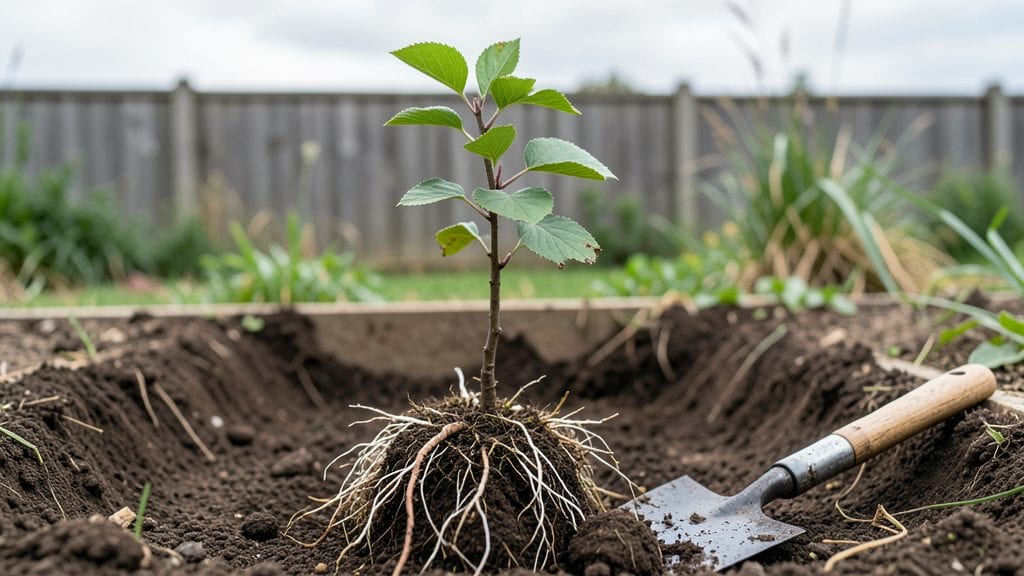
Planting trees in raised beds lets you grow full-sized specimens where soil might otherwise fail—if you nail the layered soil mix and root space. 🌱 I’ve watched my own raised-bed apple tree go from a spindly sapling to…
💥 Quick Answer To grow a raspberry plant sprout from seed, you'll need to cold-stratify the seeds for 60-90 days, plant them in well-draining soil kept at 65-75°F, and maintain consistent moisture. Germination typically…
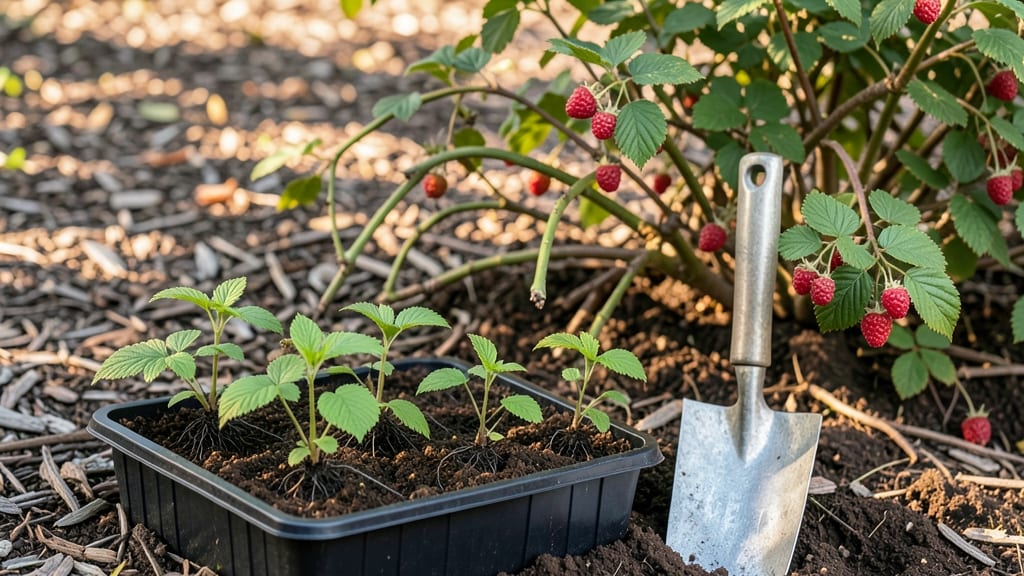
This raspberry planting guide reveals the secret to layered canes that yield fruit for years—not just one season, and I’ll show you why spacing matters. 🌱 timing right, you'll have a productive patch that keeps giving…
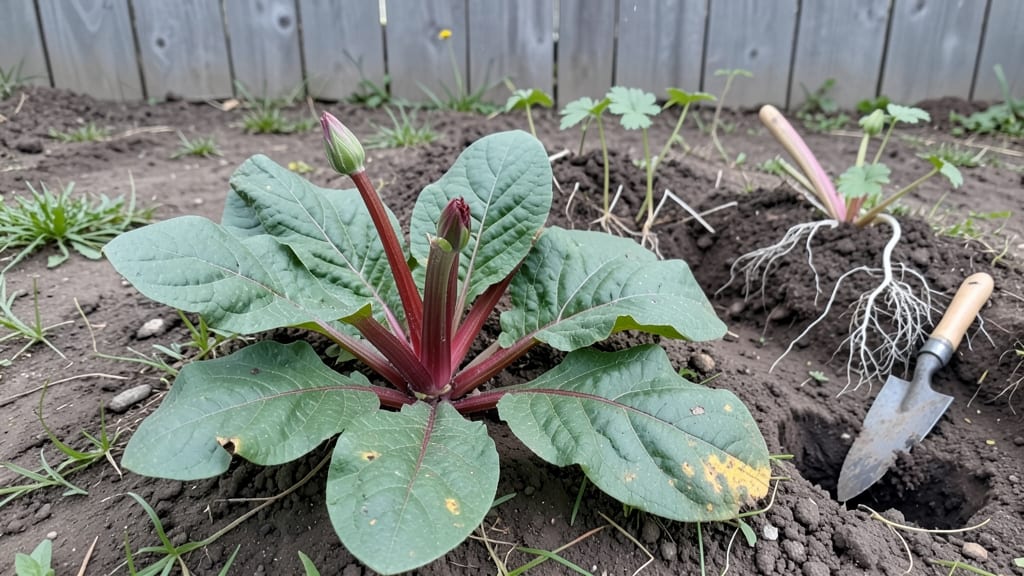
The rhubarb planting distance of three feet per plant creates the perfect circle of space, ensuring your crop thrives without stunted growth or tangled stalks. I learned this the hard way when my first rhubarb patch…
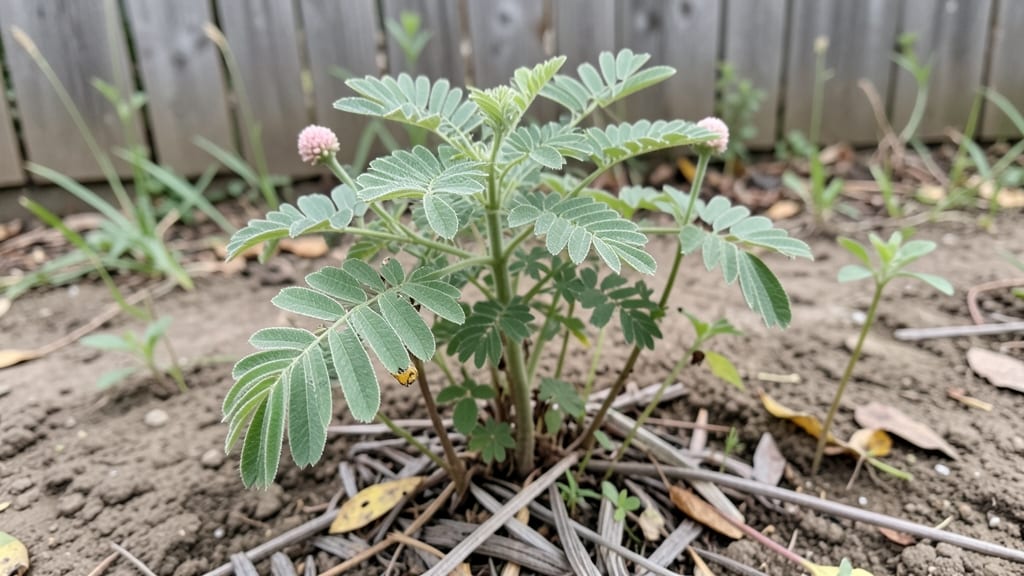
Growing a sensitive plant tree like Mimosa pudica is like having a living curiosity cabinet—its leaves fold at the slightest touch and bounce back within minutes. 🌱 I've watched mine react to raindrops, kids' fingers…
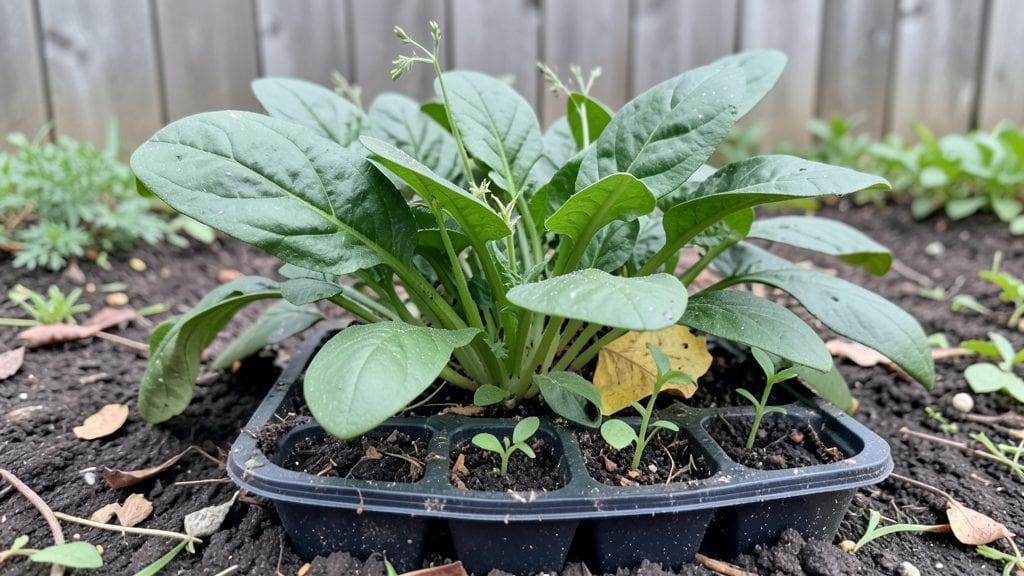
Here are the best spinach planting tips to ensure bold, fast growth—avoiding the slow, leggy plants that bolt by May. I learned this after my first batch turned bitter and stringy because the soil was too warm. The key…
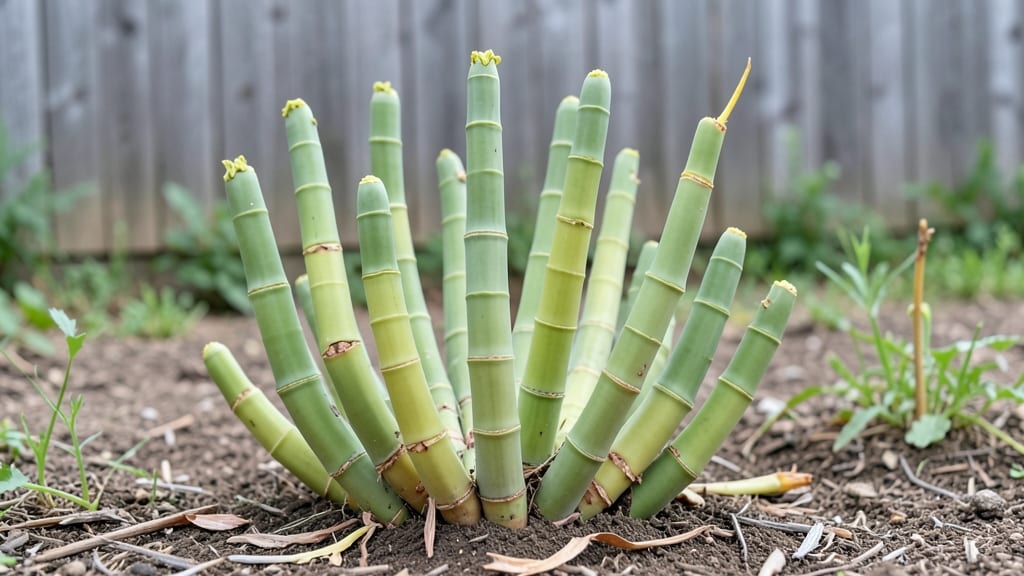
The water spout plant ( Ceropegia woodii ) grows roots faster than most trailing succulents—if you know the trick. 🌱 I’ve propagated dozens of these plants, and the key lies in humidity, indirect light, and a simple…
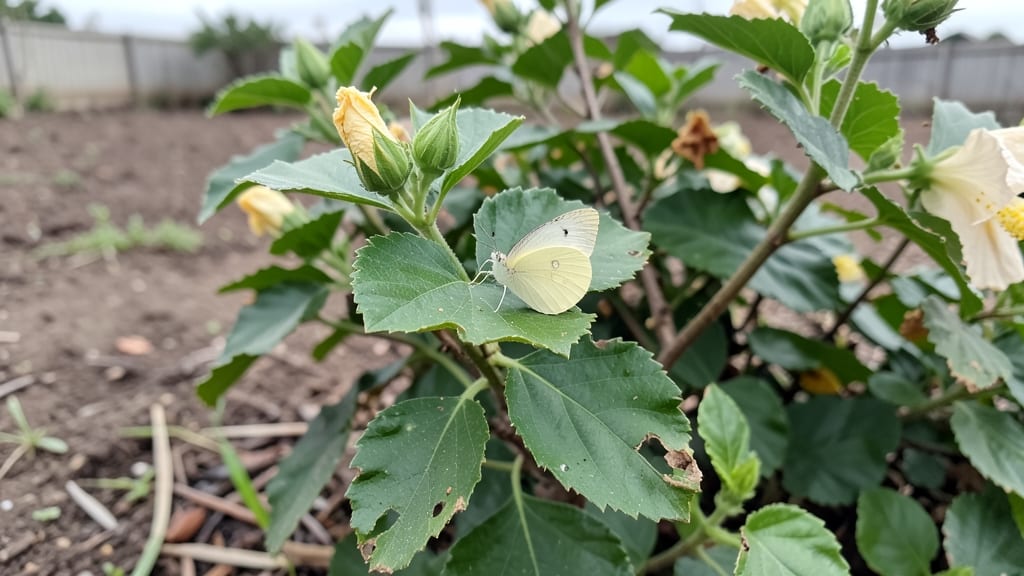
💥 Quick Answer Hibiscus plants are commonly eaten by deer, rabbits, aphids, spider mites, and Japanese beetles, while caterpillars and slugs target leaves and stems. Deer and rabbits often strip foliage, while insects…
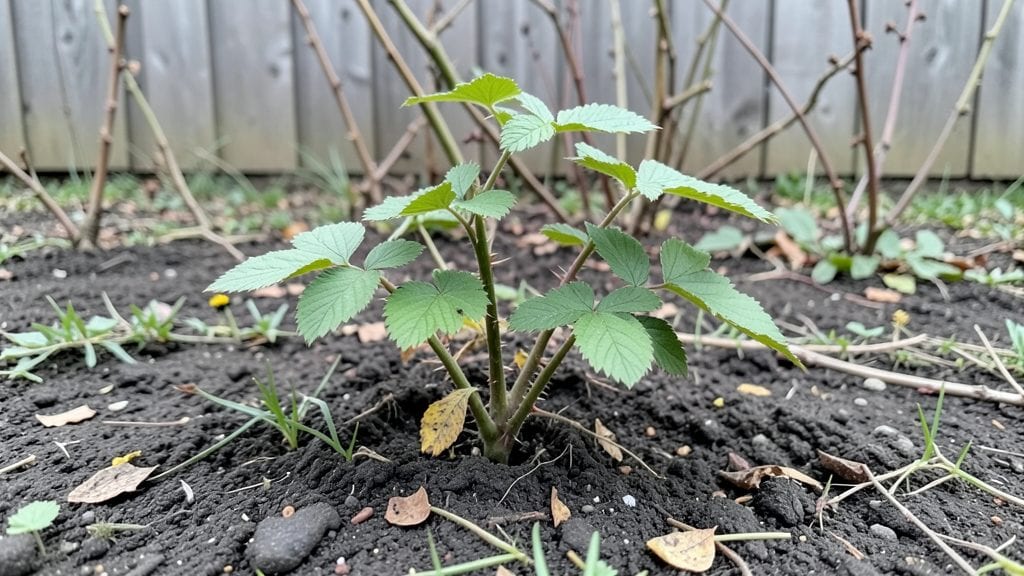
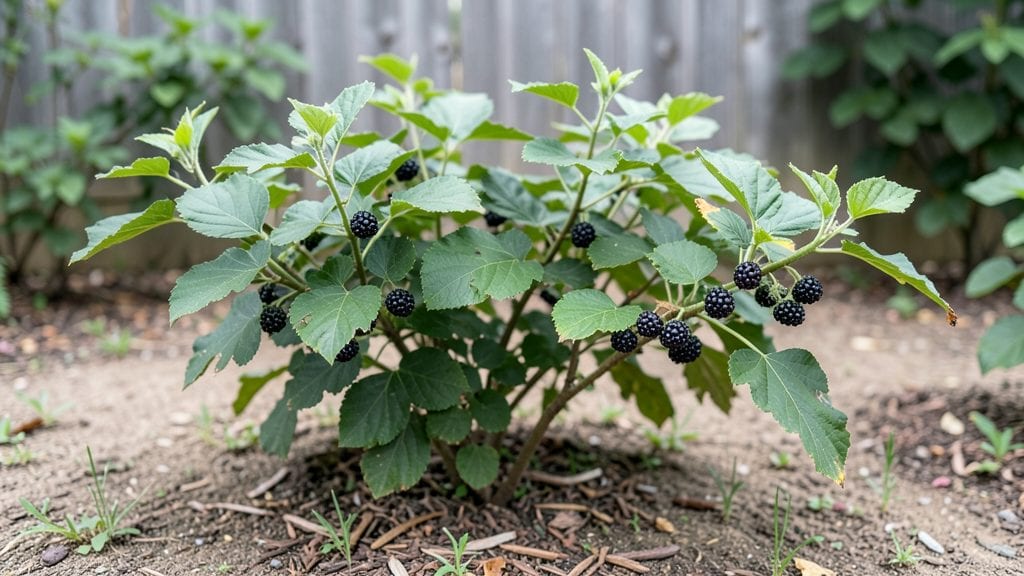
Brazos blackberry plants deliver thornless harvests with minimal fuss, and I’ve grown them for five seasons now—no more bloody fingers or tangled canes. The key to their success lies in two things: pruning like a pro and…
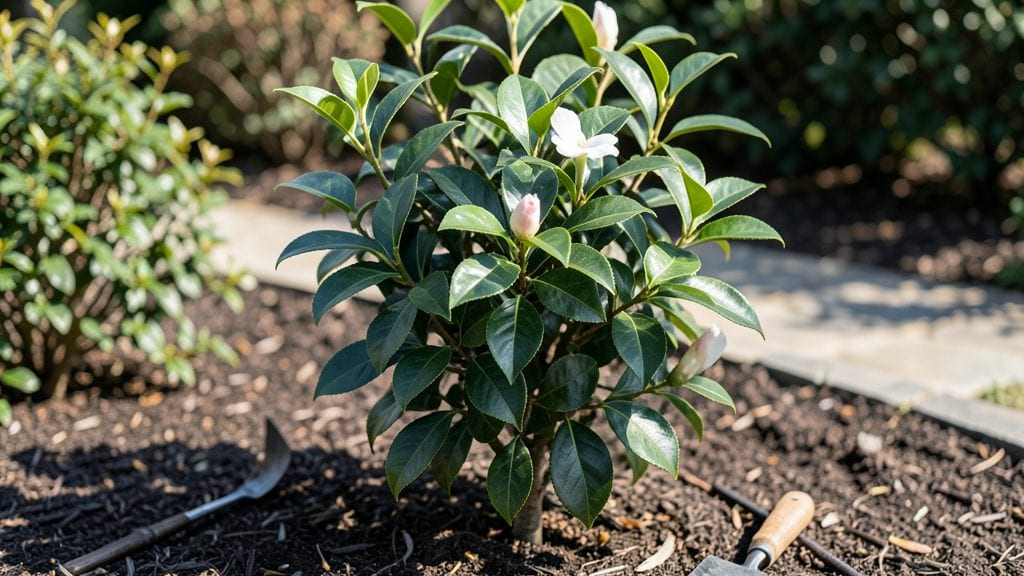
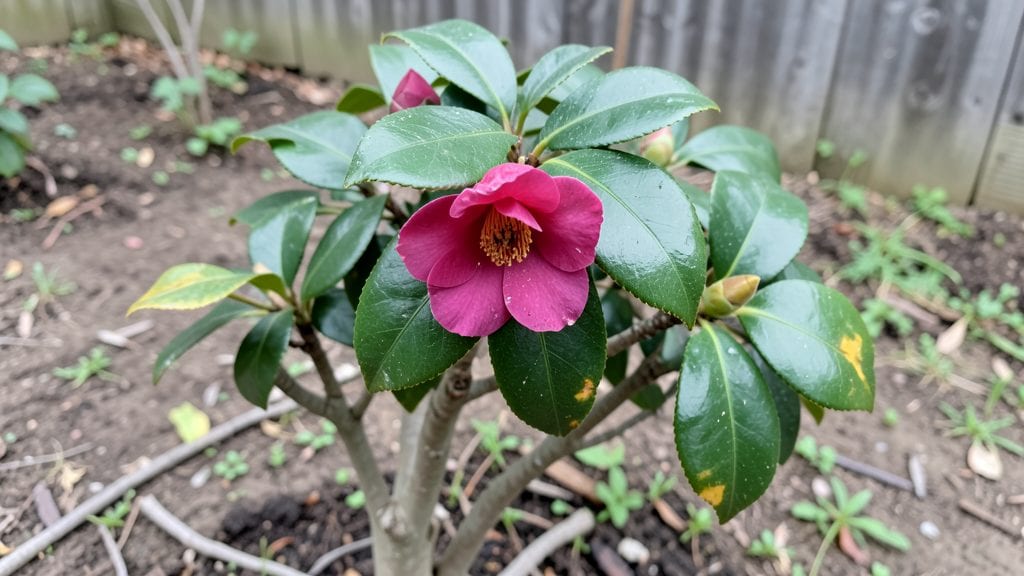
Camellia evergreen plants transform any yard into a lush, year-round privacy screen with their glossy, dark leaves and stunning blooms. 🌿 I planted mine last spring, and by summer, they’d already outgrown the flimsy…
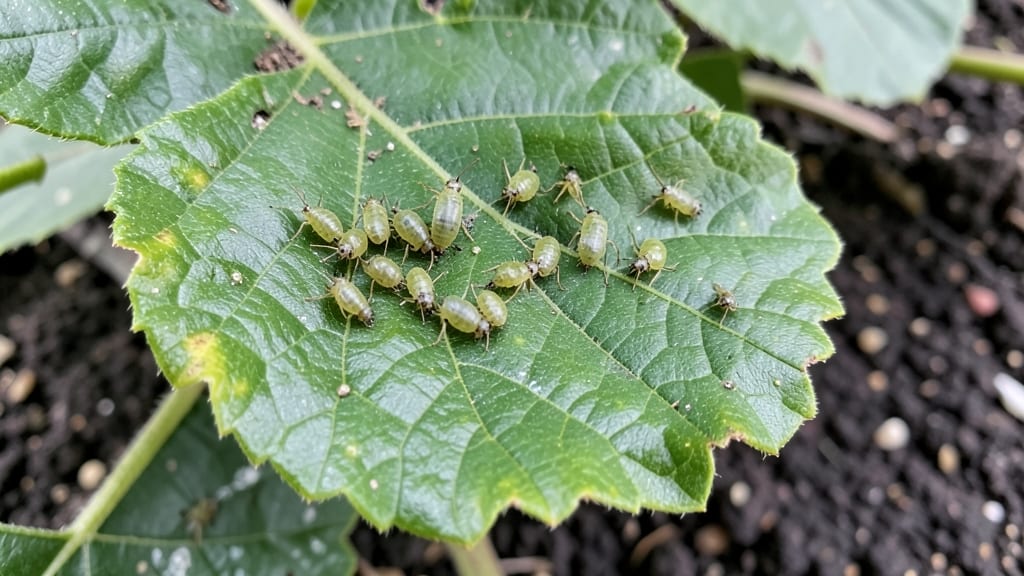
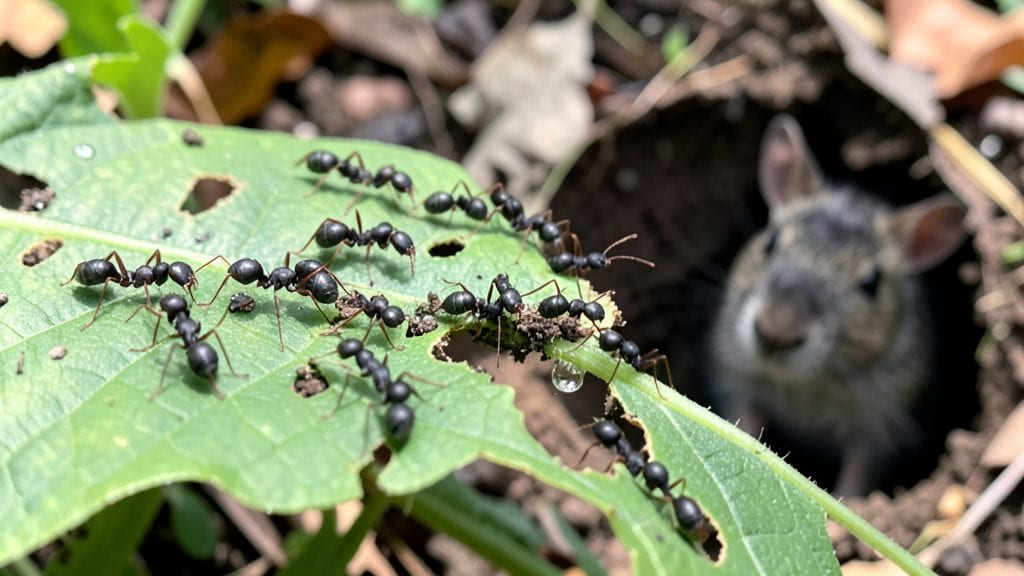
💥 Quick Answer Yes, ants can hurt plants by shielding pests like aphids that drain sap, tunneling through roots, and even spreading fungal infections through their nests. Their indirect damage often goes unnoticed until…
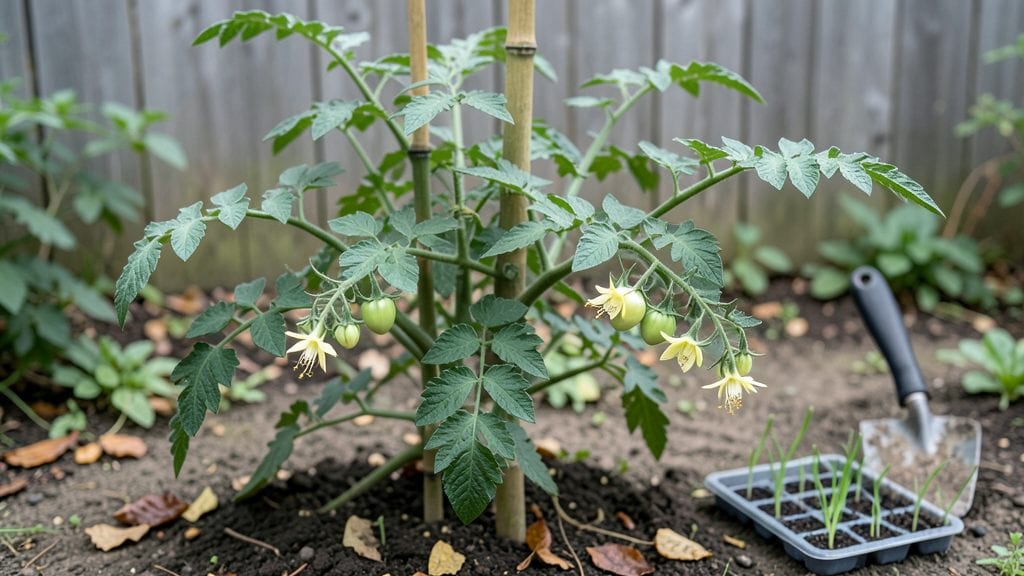
💥 Quick Answer You can plant green beans next to tomatoes, but keep them at least 18 inches apart to prevent soil-borne diseases like early blight and fusarium wilt—common tomato pathogens that spread through spores…
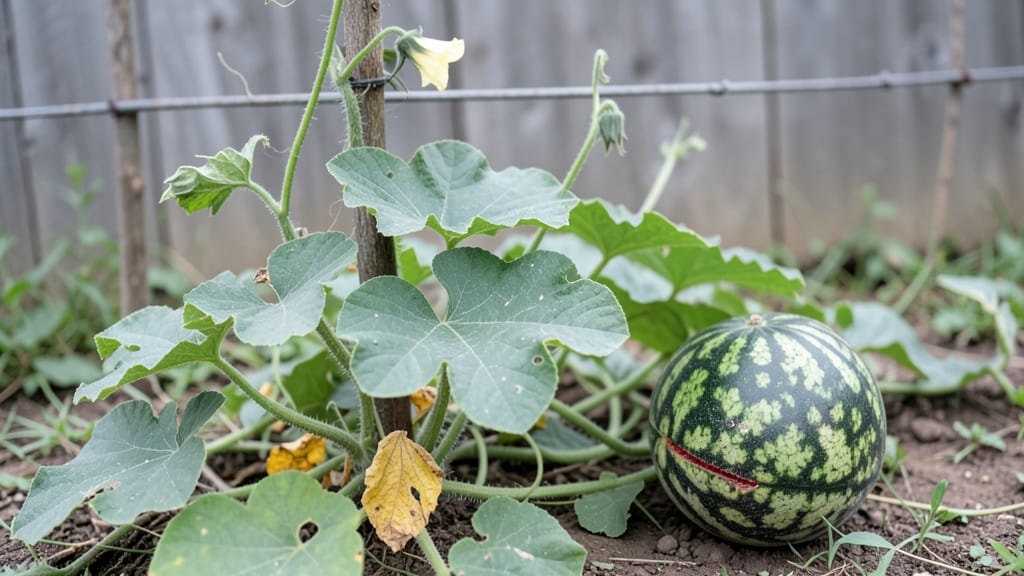
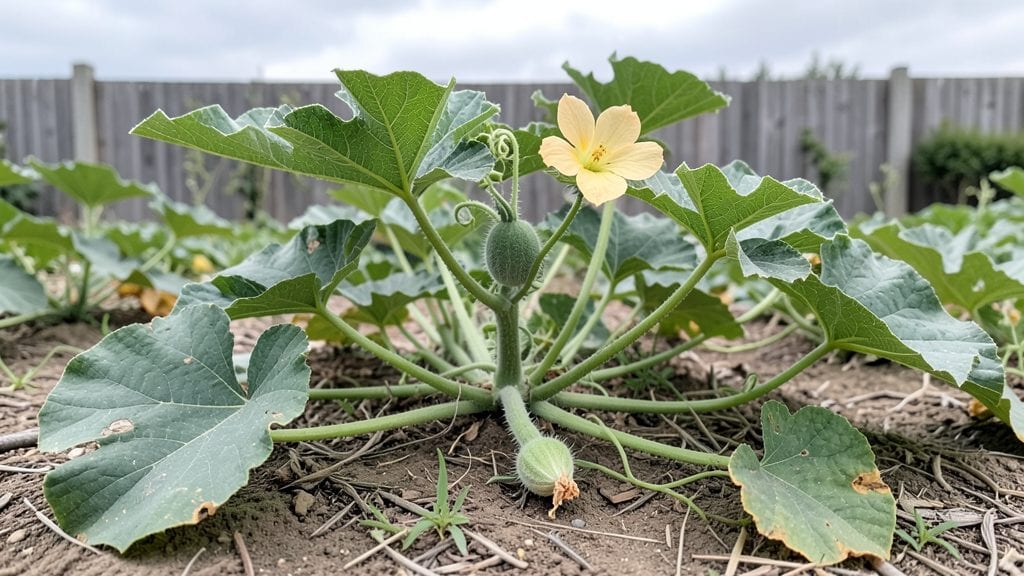
Cantaloupe plant flowers are your first sign that a sweet harvest is on the way—but only if you know what to look for and how to help them. I’ve watched my vines go from lush green to a jungle of yellow blossoms, and the…
💥 Quick Answer Using coffee into plants can boost growth by providing nitrogen-rich fertilizer and acidifying soil for acid-loving plants like azaleas or blueberries, but proper dilution and moderation are key to avoid…
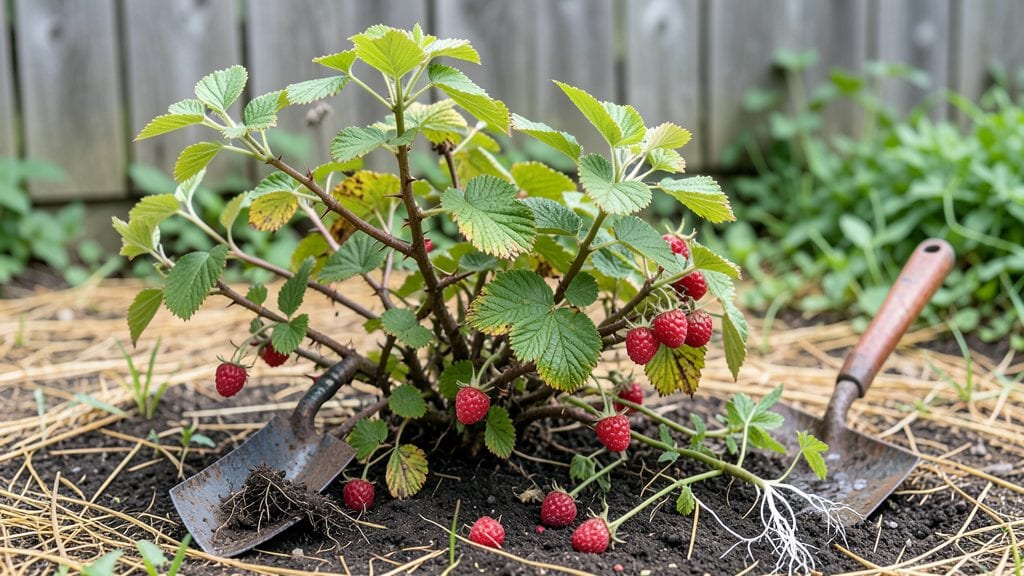
Planting raspberry bushes 18 to 24 inches apart in rows 6 to 8 feet apart is the golden rule for a bountiful harvest 🍓. Struggling with raspberry bushes that crowd each other, produce sparse fruit, or invite pests…