
Planting
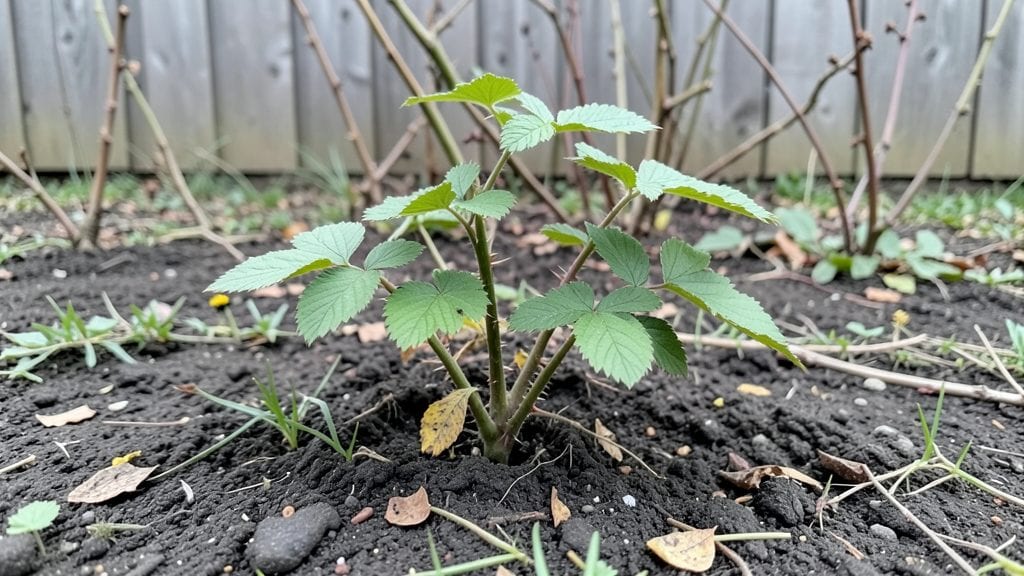
To grow a raspberry plant sprout from seed, you'll need to cold-stratify the seeds for 60-90 days, plant them in well-draining soil kept at 65-75°F, and maintain consistent moisture. Germination typically occurs in 2-4 weeks with fresh seeds from trusted suppliers.
Cold stratification mimics winter's natural dormancy period, which breaks the seed's protective barrier and jumpstarts growth. 🌱 I've found using a mix of moist sand and peat moss in a sealed container works best—just keep it at 34-41°F for optimal results.
Once sprouted, these delicate seedlings need bright, indirect light to prevent stretching, and a slightly acidic soil mix (pH 5.5-6.5) to thrive.
What surprises many growers is how sensitive these early stages are to temperature swings—even a few degrees can delay germination by weeks. I always recommend using a humidity dome or plastic wrap to maintain moisture levels until the first true leaves appear.
This patience pays off when you see those first vibrant sprouts breaking through!
💡 In This Article
- Cold Stratification Process for Raspberry Seeds
- Optimal Soil and Light Conditions for Raspberry Sprouts
Cold stratification process for raspberry seeds
The cold stratification process tricks raspberry seeds into thinking winter has passed by simulating the natural temperature fluctuations they'd experience in their native habitats. Here's what's actually happening: seeds contain abscisic acid, a growth inhibitor that keeps them dormant until conditions are perfect.
When exposed to 34-41°F temperatures for 60-90 days, this chemical breaks down while other growth-promoting hormones like gibberellins activate. This hormonal shift is what finally allows the seed to germinate. 🌱
To perform this properly, mix your seeds with equal parts moist sand and peat moss in a sealed container. The moisture level should feel like a wrung-out sponge—damp but not soggy. Place this mixture in your refrigerator's crisper drawer (where temps stay most consistent) or a seed stratification fridge.
What most people don't realize is that the 60-90 day range accounts for different raspberry varieties—some wild types need the full 90 days while cultivated varieties often germinate well at 60 days. This mimics how seeds would naturally experience winter's chill followed by spring's warming.
Temperature consistency is absolutely critical here. Fluctuations above 45°F can wake the seed too early, while anything below 32°F risks freezing damage. I've found using a thermometer probe in the container helps monitor this precisely.
Once stratified, you'll notice the seeds develop a tiny white root (radicle) first—this is your signal that germination is imminent. The key factor is patience: this process can't be rushed without proper stratification. 💫
For those wondering about alternatives, some gardeners use the "pot-in-pot" method where they plant seeds in pots and bury them outdoors during winter. While effective, this requires precise timing and protection from animals. The refrigerator method gives you complete control over both temperature and moisture—critical factors for these delicate seeds.
Remember that raspberry seeds have a thin seed coat that needs this cold treatment to soften and allow water penetration.
What separates successful raspberry seed starters from those who struggle is understanding this biological process. The cold treatment doesn't just pass time—it triggers a fundamental change in the seed's cellular structure. During stratification, the seed's metabolism slows dramatically, then gradually revs up as it prepares for growth.
This is why you'll often see better germination rates with stratified seeds compared to those planted immediately. 🌟
Once you've completed the stratification period, you'll want to transition the seeds to warmer conditions gradually. A common mistake is moving them directly from the fridge to room temperature—this can cause shock.
Instead, let them acclimate at 50°F for 24 hours before planting. This gradual warming mimics spring's natural progression and gives your seeds the best chance to continue their development smoothly.