
Planting
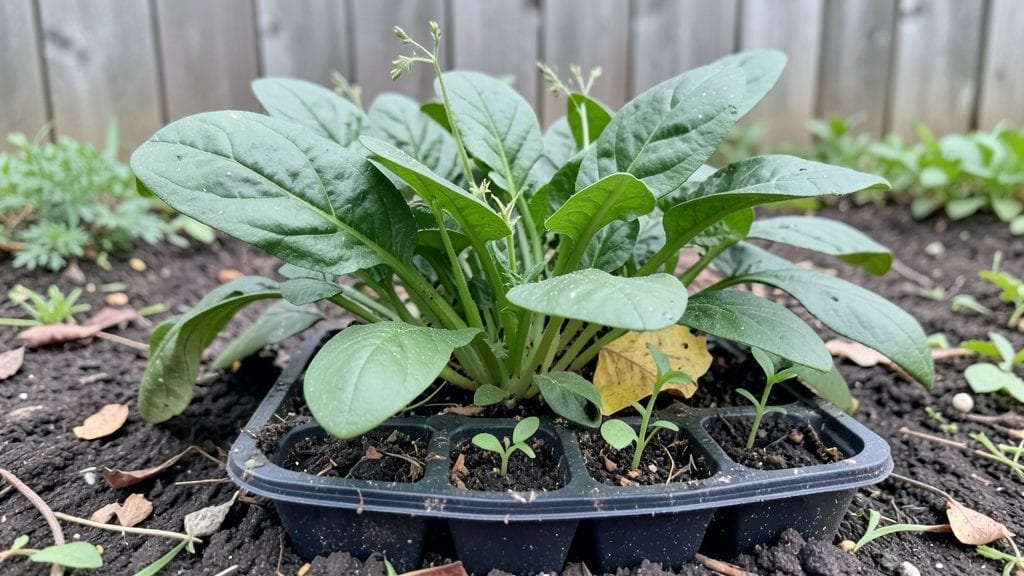
Here are the best spinach planting tips to ensure bold, fast growth—avoiding the slow, leggy plants that bolt by May. I learned this after my first batch turned bitter and stringy because the soil was too warm. The key isn’t just timing; it’s creating the perfect foundation where spinach thrives.
Start with loose, well-draining soil rich in organic matter—think compost mixed into the top 6 inches of bed. Spinach hates compacted roots, so avoid heavy clay without amending it first.
Cool-season plants like temperatures between 40°F and 70°F, so aim for early spring or late summer plantings in most zones. A 1-inch-thick layer of straw keeps moisture steady and blocks weeds.
📚 In This Guide
- What you need
- Instructions
- Tips and common mistakes
- Wrapping up and next steps
What you need
- ● Spinach Seeds: Choose cold-hardy varieties like Baby’s Leaf Hybrid or Bloomsdale Long Standing. Aim for 1–2 oz (30–60g) per 100 sq ft.
- ● Growing Space: Outdoor: Full sun to partial shade (4–6 hours of sunlight daily). Soil temp should be 45–75°F (7–24°C).
- ● Containers: 5–6" deep pots with drainage holes (1–2 plants per 12" pot).
- ● Soil: Well-draining, rich in organic matter (pH 6.5–7.0). Mix compost or aged manure into garden soil (1–2 inches deep).
- ● Fertilizer: Balanced fertilizer (10-10-10) at planting (1 tbsp per sq ft).
- ● Organic options: Fish emulsion or compost tea every 3–4 weeks.
- ● Watering Tools: Watering can or hose with gentle spray nozzle (avoid soaking seeds).
- ○ Drip irrigation kit (optional for consistent moisture).
- ● Mulch: Straw or shredded leaves (1–2 inches thick) to retain moisture and suppress weeds.
- ● Row Cover: Lightweight fabric to protect seedlings from pests or frost.
- ● Seedling Trays: If starting indoors, use biodegradable pots (2–3" deep).
- ● Epsom Salt: 1 tbsp per gallon of water (monthly) for magnesium boost.
- ● Plant Markers: Label seeds to track varieties and planting dates.
How to plant spinach for a reliable harvest all season
Here's the straightforward method I use to grow spinach that thrives in both spring and fall.
Choose the Right Variety and Planting Time
Spinach comes in two main types: smooth-leaf and savoy (crinkled). I always plant savoy varieties like 'Tyee' or 'Bloomsdale Long Standing' because they handle cooler weather better. For year-round success, plant your first batch 4-6 weeks before your last frost date in early spring, and your second batch 6-8 weeks before your first frost date in late summer.
Spinach is a cool-season crop, so avoid planting when daytime temperatures exceed 75°F. You'll see the best growth when nights stay below 60°F. If your summer gets too hot, opt for heat-tolerant varieties like 'Space' or 'Corvair'—they bolt slower than traditional types.
Prepare the Soil for Maximum Growth
Spinach thrives in loose, well-draining soil with a pH between 6.5 and 7.0. Work in 2-3 inches of compost or well-rotted manure into the top 6 inches of soil before planting. This improves drainage and provides the nitrogen spinach craves. I also add a handful of bone meal for phosphorus, which helps roots develop strongly.
Spinach hates compacted soil, so avoid working the ground when it's wet. Instead, till when the soil is crumbly and dry enough to form a loose ball when squeezed. If your soil is heavy clay, mix in 1 part sand or perlite to 3 parts soil to improve aeration. You'll see faster germination and healthier plants when the soil structure is right.
Sow Seeds at the Correct Depth and Spacing
Plant spinach seeds ½ inch deep and 1-2 inches apart. Sowing too deep delays germination, while planting too shallow risks drying out the seeds. I use a small hand trowel to make individual furrows 12-18 inches apart for easy thinning later. For a continuous harvest, scatter seeds in small batches every 2 weeks after the initial planting.
Keep the soil consistently moist but never soggy during germination. You'll see tiny sprouts emerge in 7-14 days, depending on soil temperature. Once seedlings reach 2 inches tall, thin them to 3-4 inches apart to prevent overcrowding. Use scissors to snip unwanted seedlings at soil level—this avoids disturbing the roots of nearby plants.
Water and Fertilize for Lush Growth
Spinach needs 1-1.5 inches of water per week, either from rainfall or irrigation. Water deeply at the base of plants in the morning to reduce evaporation and fungal risks. Avoid wetting the leaves, as this can lead to disease. I use a soaker hose or drip irrigation to deliver water directly to the roots without splashing.
Side-dress with a balanced organic fertilizer (like 5-5-5) when seedlings are 3-4 inches tall. Apply it 2 inches away from the stem and water it in well. You'll notice faster leaf production and deeper green color within a week. For extra nutrients, sprinkle a thin layer of compost around the base every 3-4 weeks.
Harvest and Encourage Regrowth
Harvest spinach leaves when they're 4-6 inches long by cutting the outer leaves with clean scissors, leaving the inner leaves to continue growing. This method ensures a steady supply without sacrificing the plant. For baby spinach, harvest when leaves are 2-3 inches tall—they're sweeter and more tender.
To extend the harvest, fertilize lightly after each cutting and keep the soil moist. Spinach will produce new leaves for 4-6 weeks before bolting, especially if temperatures rise. If your plants start to flower, harvest the remaining leaves immediately—they become bitter and tough as they mature.
Tips & tricks for perfect spinach planting
These simple soil secrets will help you grow spinach that thrives through both spring and fall seasons.
Soil Temperature Matters: Pay close attention to those temperature guidelines of 75°F during the day and 60°F at night. I've found that planting when daytime temps stay below 75°F and nights dip below 60°F makes all the difference for healthy spinach growth. Use a soil thermometer to check temperatures before planting—this simple tool can prevent wasted effort on seeds that won't germinate properly in warm soil.
The Compost Layer Technique: When you're working in that 2-3 inches of compost, don't just spread it on top. Mix it thoroughly into the top 6 inches of soil to create a nutrient-rich environment. I like to create small mounds of soil mixed with compost and plant directly into these—it gives the roots immediate access to nutrients while maintaining good drainage. This method also helps prevent the soil from compacting around the roots as the plants grow.
Germination Timing Strategy: Those 7-14 days for germination can feel like forever, but there's a trick to speed things up. After planting your seeds at that ½-inch depth, cover the area with a thin layer of straw mulch. This helps maintain consistent moisture while keeping the soil temperature stable—both critical factors for faster germination. I've seen seeds emerge in as little as 5 days when using this mulching technique in ideal conditions.
Watering Consistency Tip: The 1-1.5 inches of water per week guideline is crucial, but timing matters just as much. Rather than watering all at once, I divide it into three sessions: a light watering in the morning, another in the afternoon, and a final one in the early evening. This approach prevents water stress while keeping the soil consistently moist without becoming soggy. The key is to water at the base of plants rather than overhead to minimize disease risk.
Pro Tips for Spinach Planting Tips
- These simple soil secrets will help you grow spinach that thrives through both spring and fall seasons.
- Soil Temperature Matters: Pay close attention to those temperature guidelines of 75°F during the day and 60°F at night.
- The Compost Layer Technique: When you're working in that 2-3 inches of compost, don't just spread it on top.
Frequently asked questions
Got questions about growing spinach? You’re not alone! Here are answers to the most common spinach-planting queries to help you grow like a pro.
When is the best time to plant spinach?
Spinach thrives in cool weather—plant it 4-6 weeks before your last frost date in early spring or 6-8 weeks before your first frost in late summer/fall. Avoid extreme heat (above 80°F/27°C), which causes bolting. For year-round harvests, try successive plantings every 2-3 weeks.
How long does it take for spinach to grow?
Baby spinach is ready in 30-40 days, while mature leaves take 45-55 days. Check soil moisture and leaf size (4-6 inches tall) for harvest. Pro tip: Harvest outer leaves first to encourage regrowth—spinach is a cut-and-come-again crop!
What are common spinach pests, and how do I prevent them?
Watch for aphids, slugs, and flea beetles. Use row covers to deter pests, handpick slugs, or spray with neem oil. Keep soil moist to discourage flea beetles. Crop rotation also helps break pest cycles.
Can I grow spinach in containers or small spaces?
Spinach grows well in containers 6+ inches deep with good drainage. Choose compact varieties like ‘Baby’s Leaf Hybrid’ or ‘Space’. Place pots in partial shade (4-6 hours of sun daily) and fertilize lightly with compost tea.
Will spinach survive a light frost?
Yes! Spinach loves frost—it actually enhances flavor and sweetness. Light frosts (28-32°F/-2 to 0°C) are fine, but protect plants from hard freezes (below 20°F/-7°C) with row covers or mulch. Harvest before heavy freezes to avoid damage.
Wrapping up and next steps
Growing spinach is a rewarding journey that starts with the right soil secrets and a little patience! 🌱 Whether you're a beginner or a seasoned gardener, these three key soil tips—pH balance, organic matter, and proper drainage—will set you up for lush, healthy plants year-round.
Remember, consistency is key, so monitor your soil and adjust as needed.
Now that you’re armed with the knowledge, roll up your sleeves and get planting! Start small with a few seeds or seedlings, track your progress, and soon you’ll be harvesting fresh, nutrient-packed spinach straight from your garden. Happy growing—your future smoothies and salads will thank you! 🥗✨