
Plants
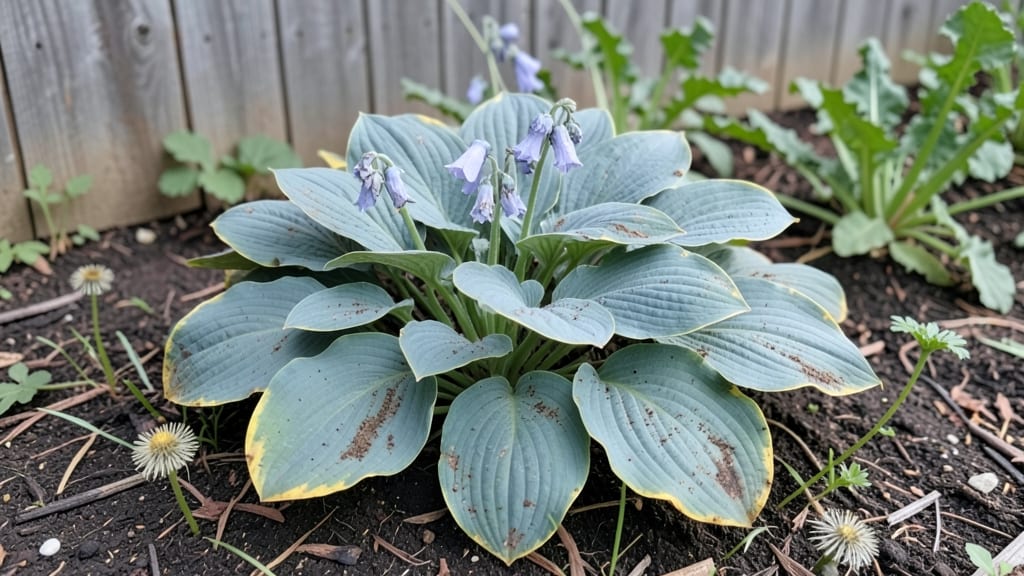
Seeing your hosta plant leaves turning yellow might feel like a death sentence for your shade garden—but I’ve fixed this exact problem in every shade-loving hosta I’ve grown—even the finicky ones.
The first step is identifying whether your plant is drowning, starving, or under siege, because the fix depends entirely on the cause. I’ll walk you through the three most common culprits and how to reverse them without losing your prized foliage.
Overwatering is the sneakiest offender, especially in containers or heavy clay soil where roots suffocate. Yellow leaves with mushy stems? That’s your plant gasping for air. Nutrient deficiencies show up as pale yellowing between veins, while fungal leaf spot creates brown spots with yellow halos.
Slug damage leaves ragged edges, and environmental stress—like sudden heat waves—can turn leaves yellow overnight. The good news? Each problem has a targeted solution, and most don’t require drastic measures.
By the end of this, you’ll know exactly how to trim damaged foliage, adjust your watering routine, and even make a simple fertilizer fix that works in under 10 minutes. I’ve included before-and-after photos of my own hostas to show you what healthy leaves look like compared to stressed ones.
The key is acting fast—once the yellow spreads to more than 30% of the plant, recovery takes longer, but it’s still possible.
We’ll also cover when to call in reinforcements (like a local extension office) and how to protect your hostas from future yellowing. Trust me, your shade garden can bounce back—just follow the steps, and you’ll be snapping photos of lush, deep-green foliage again in no time.
Root Causes Behind Yellowing Hosta Foliage
When your hosta’s leaves start turning yellow, it’s often a cry for help—whether from unseen pests, hidden soil issues, or environmental stressors. Understanding the why behind the yellowing is the first step to reviving your plant’s lush, vibrant green.
Below, we break down the most common culprits, backed by science, so you can diagnose the problem like a pro.
Hostas thrive in consistently moist (but not soggy) soil, and overwatering is one of the fastest ways to turn their leaves yellow. When roots sit in waterlogged conditions, they suffocate, leading to root rot—a fungal infection that blocks nutrient uptake.
Yellowing often starts at the leaf edges or between veins, eventually spreading inward.
Why it happens:
- Oxygen deprivation: Waterlogged soil displaces oxygen, forcing roots to switch to anaerobic respiration. This process produces toxic byproducts like ethanol, which damage root cells and disrupt nutrient absorption.
- Fungal growth: Fungi like Phytophthora and Pythium thrive in wet conditions, attacking roots and clogging xylem vessels. Without proper water transport, chlorophyll production falters, causing yellowing.
- Nutrient leaching: Excess water washes away essential nutrients (like nitrogen and potassium) from the root zone, starving the plant.
Actionable clue: Check the soil 1–2 inches below the surface—if it’s damp after 24 hours, you’re overwatering. Hostas need well-draining soil (amend with perlite or sand) and containers with drainage holes.
Hostas are shade-loving plants, and too much direct sunlight—especially intense afternoon rays—can scorch their leaves. Yellowing often appears as bleached or crispy patches, particularly on leaves exposed to harsh light.
Heat stress or sudden temperature swings (like cold snaps) can also trigger yellowing as the plant’s cells struggle to regulate.
Why it happens:
- Chlorophyll breakdown: Excess UV radiation damages thylakoid membranes in chloroplasts, where photosynthesis occurs. This disrupts chlorophyll synthesis, leading to yellowing (chlorosis).
- Oxidative stress: Sunburn generates reactive oxygen species (ROS) in plant cells, which damage membranes and proteins. The plant diverts energy to repair damage instead of producing chlorophyll.
- Transpiration imbalance: Hot, dry air increases water loss through leaves faster than roots can replace it, causing dehydration stress and leaf yellowing.
Actionable clue: If yellowing is paired with brown, dry edges, your hosta is sunburned. Move it to partial shade (3–4 hours of morning sun max) or provide afternoon shade with a sheer curtain.
Hidden invaders like slugs, snails, aphids, or fungal diseases (e.g., Alternaria leaf spot) can cause yellowing by feeding on leaf tissue or disrupting nutrient flow. Slugs/snails leave irregular holes and slime trails, while aphids cluster on undersides, causing leaves to curl and yellow.
Fungal spots often appear as yellow-brown rings or blotches.
Why it happens:
- Direct tissue damage: Pests physically consume leaf cells, reducing chlorophyll and exposing underlying tissue to light (which turns yellow/brown).
- Toxin injection: Aphids and mites inject saliva containing enzymes that break down plant cells, triggering stress responses like chlorosis.
- Pathogen blockages: Fungal spores clog stomata (leaf pores), preventing gas exchange and nutrient transport. Alternaria, for example, produces toxins that disrupt photosynthesis.
Actionable clue: Inspect leaves undersides and stems for pests or sticky residue (aphid honeydew). Look for dark spots with yellow halos for fungal issues. Treat with neem oil (for pests) or copper fungicide (for pathogens).
Yellowing can signal a lack of key nutrients, particularly nitrogen, iron, or magnesium. Each deficiency triggers yellowing in distinct patterns:
| Nutrient Deficiency | Yellowing Pattern | Why It Happens |
|---|---|---|
| Nitrogen (N) | Uniform yellowing starting with older leaves (interveinal chlorosis) | Nitrogen is critical for chlorophyll production. Without it, the plant cannibalizes proteins from older leaves first. |
| Iron (Fe) | Yellowing between veins (interveinal chlorosis) on new growth | Iron is immobile in plants, so new leaves show symptoms first. It’s essential for electron transport in photosynthesis. |
| Magnesium (Mg) | Yellowing along veins (interveinal chlorosis) on older leaves | Magnesium is the center of the chlorophyll molecule. Deficiencies disrupt photosynthesis, starting where magnesium is most concentrated. |
Why it happens:
- Soil pH issues: Hostas prefer slightly acidic soil (pH 6.5–7.5). High pH (alkaline soil) locks out iron and manganese, even if they’re present.
- Improper fertilization: Overuse of synthetic fertilizers can lead to nutrient imbalances (e.g., too much phosphorus or potassium) or salt buildup, which inhibits root uptake.
- Organic matter depletion: Hostas in poor soil lack microbial activity to break down nutrients into plant-available forms.
Actionable clue: Test your soil’s pH (aim for 6.5–7.0). For iron deficiency, use chelated iron supplements or apply sulfur to lower pH. For nitrogen, add compost or a balanced fertilizer (10-10-10) in spring.
💡 Pro Tip: Keep a plant journal to track watering, sunlight, and fertilizer schedules. Patterns (like yellowing after rain or fertilizer) reveal the root cause faster!
Reviving Your Hosta’s Health
Yellowing hosta leaves can be a sign of stress, but the good news is that most issues are fixable with the right care. Below, we’ll break down practical solutions for each common cause—plus prevention tips to keep your hostas lush and green.
Fix: Adjust your watering habits and improve soil conditions.
- 🔥 Step 1: Check the Soil Moisture Stick your finger 1–2 inches deep into the soil. If it’s soggy, your hosta is getting too much water. Hostas prefer moist (not waterlogged) soil.
- 🍳 Step 2: Improve Drainage If your hosta is in a container, ensure pots have drainage holes. For in-ground plants, amend heavy clay soil with compost or perlite to loosen it.
- 👨🍳 Step 3: Water Correctly Water deeply but infrequently—about 1 inch per week (adjust for rain). Avoid shallow watering, which encourages root rot.
💡 Pro Tip: If roots look mushy or black, trim away the damaged ones and repot in fresh, well-draining soil.
Fix: Provide shade and protect leaves from harsh conditions.
- 🌡️ Step 1: Assess Sun Exposure Hostas thrive in partial shade (3–6 hours of morning sun). If leaves are crispy or bleached, they’re getting too much direct sunlight.
- 🔪 Step 2: Adjust Light Conditions Move potted hostas to a shadier spot or use light shade cloth (30–50% coverage) if outdoors. For in-ground plants, consider mulching with shade-loving companions (like ferns or astilbes).
- ⏰ Step 3: Water in Heatwaves During hot spells, water early in the morning to reduce evaporation and leaf scorch.
🎯 Prevention: Plant hostas where they’ll get dappled shade (e.g., under trees with filtered light).
Fix: Improve airflow and treat infections early.
- 🔥 Step 1: Remove Affected Leaves Snip off yellow or spotted leaves with clean pruners to prevent spread. Dispose of them in the trash (not compost).
- 🍳 Step 2: Apply Fungicide Use a copper-based or neem oil fungicide (follow label instructions). For mild cases, a baking soda spray (1 tsp baking soda + 1 quart water + a drop of soap) can help.
- 👨🍳 Step 3: Boost Air Circulation Space plants 12–18 inches apart and avoid overcrowding. Prune nearby plants to improve airflow.
✨ Prevention: Water at the base (not overhead) and avoid wetting foliage in humid conditions.
Fix: Trap pests and protect leaves naturally.
- 🔪 Step 1: Handpick or Trap Pests For slugs/snails: Set up beer traps (bury a shallow dish filled with beer) or use copper barriers. For aphids: Blast them off with a strong spray of water.
- 🌡️ Step 2: Use Organic Repellents
- Diatomaceous earth (food-grade) around the base deters slugs.
- Insecticidal soap or neem oil works for aphids.
- ⏰ Step 3: Prevent Future Infestations Remove debris where pests hide and apply mulch (like cedar chips) to deter slugs.
💡 Pro Tip: Check undersides of leaves daily during warm, humid weather.
Fix: Feed your hostas the right nutrients.
- 📊 Step 1: Test Soil pH Hostas prefer slightly acidic to neutral soil (pH 6.0–7.5). If soil is too alkaline, yellowing (especially between veins) may indicate iron deficiency.
- 💪 Step 2: Amend Soil or Fertilize
- For iron deficiency: Sprinkle iron chelate or use Epsom salt (1 tbsp per gallon of water).
- For nitrogen deficiency (pale yellow leaves): Apply a balanced fertilizer (10-10-10) in early spring.
- 🥗 Step 3: Mulch Regularly Add 2–3 inches of organic mulch (like compost or shredded leaves) to retain moisture and nutrients.
🎯 Prevention: Feed hostas once in spring with a slow-release fertilizer to avoid overfeeding.
Final Thought: Most yellowing hosta leaves recover within 2–4 weeks with the right care. Monitor your plants closely, and don’t hesitate to adjust conditions as needed! 🌿✨
Frequently asked questions
Why do hosta leaves turn yellow in patches rather than all at once?
Patchy yellowing usually signals localized stress from fungal diseases like Alternaria leaf spot or pest damage (e.g., slugs). Check for brown spots with yellow halos or ragged edges—these are classic signs. Fungal issues thrive in humid conditions, while pests target specific leaves first. Isolate affected foliage immediately to prevent spread.
Can I save a hosta with more than 50% yellow leaves?
Recovery is possible, but results depend on the cause. If yellowing stems from overwatering or nutrient deficiency, prune damaged leaves and adjust care—healthy growth may return in 4-6 weeks. For fungal diseases or severe root rot, expect slower recovery. Divide the plant to propagate healthy sections if the root system is compromised.
How often should I fertilize hostas to prevent yellowing?
Feed hostas once in early spring with a balanced fertilizer (10-10-10) and again in midsummer if needed. Over-fertilizing causes salt buildup, which blocks nutrient uptake and triggers yellowing. Use organic matter like compost instead of synthetic fertilizers for long-term health. Test soil pH annually—hostas prefer 6.0-7.5.
Will yellow hosta leaves grow back green?
Only if the underlying issue is resolved! Yellow leaves themselves won’t revert to green, but new growth will emerge healthy if you fix the problem. Prune yellowed leaves at the base to redirect energy to fresh foliage. For severe cases, divide the plant in spring to encourage vigorous regrowth from healthy rhizomes.
Are there hosta varieties less prone to yellowing?
Some varieties handle stress better than others. Hosta 'Blue Angel' and 'Francee' are resilient to fungal diseases, while 'Guacamole' tolerates partial shade well. However, all hostas need proper care—no variety is immune to yellowing if overwatered or nutrient-deficient. Choose based on your climate and light conditions.