
How To
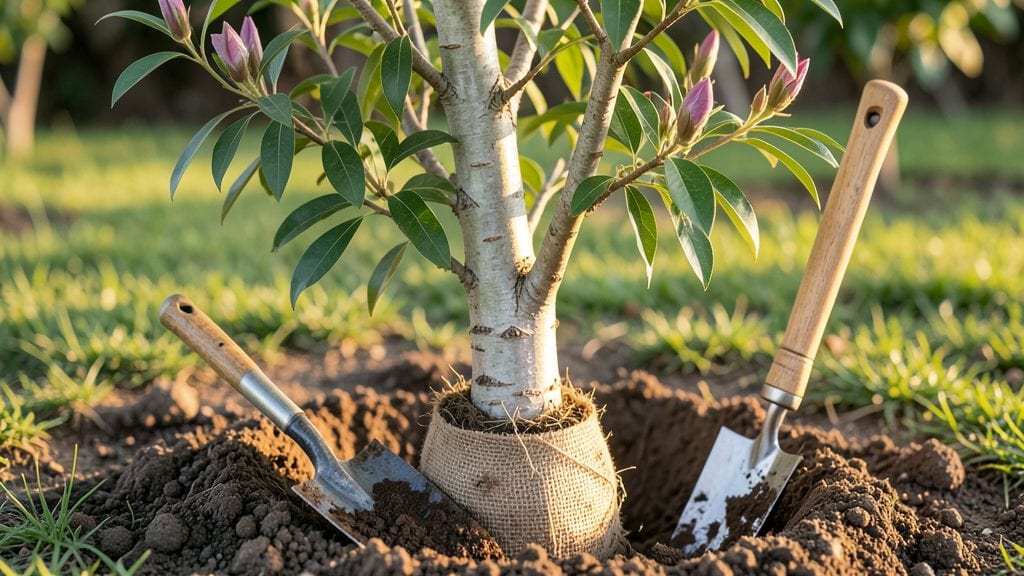
Planting crape myrtles in clay soil starts with the right prep—because those heavy roots need room to breathe. I’ve learned the hard way that skipping this step means stunted growth and wilting leaves by midsummer, no matter how much you water.
The secret isn’t forcing the plant to adapt; it’s teaching the soil to work with your tree instead of against it.
First, loosen the clay at least 18 inches deep and mix in 3 inches of compost or aged manure to break up compaction. For extra drainage, add a 2-inch layer of coarse sand or perlite—just enough to create pockets where roots can spread without drowning.
Plant your crape myrtle 2 inches deeper than its container, and space them 6 to 10 feet apart depending on the variety. Water deeply right after planting to settle the soil and encourage root expansion.
Once established, your crape myrtle will reward you with vibrant blooms and glossy foliage that lasts all summer. The key is mulching (2–3 inches of organic mulch) to keep moisture in and clay from sealing around roots.
If leaves yellow or growth stalls, it’s a sign the soil’s too dense—add more compost next spring. With the right setup, your tree will thrive even in the stickiest clay.
This method works for both container-grown saplings and bare-root plants, and it’s just as effective in USDA Zones 5–9. The upfront effort pays off in fewer watering headaches and a tree that grows strong enough to handle your region’s heat and humidity. Let’s get those roots happy!
📚 In This Guide
- What you need
- Instructions
- Tips and common mistakes
- Wrapping up and next steps
What you need
- ● Crape myrtle sapling or bare-root plant: Choose a healthy 1- to 3-gallon container-grown tree (or bare-root if planting in late winter).
- ● Organic matter amendments: 2–3 bags (40–60 lbs each) of compost or well-aged manure
- ● 1–2 bags (15–20 lbs each) of peat moss or coconut coir (for moisture retention)
- ● 1 bag (50 lbs) of sand (coarse or horticultural) (to improve drainage)
- ○ Slow-release fertilizer: 1 lb of balanced 10-10-10 or 12-12-12 (optional but helpful for nutrient boost).
- ● Mulch: 2–3 cubic feet of pine straw, shredded bark, or wood chips (keep 2–3 inches away from the trunk).
- ● Shovel or spade: A round-point shovel (for digging) and a flat-edged spade (for amending soil).
- ● Garden fork or tiller: To loosen compacted clay (rent one if needed—clay is tough!).
- ● Garden gloves: Heavy-duty nitrile or leather gloves (clay can be abrasive!).
- ● Wheelbarrow or bucket: For mixing amendments (5-gallon capacity works well).
- ● Level or measuring tape: To ensure proper planting depth.
- ● Watering can or hose with nozzle: For post-planting hydration.
- ● ✅ Test your soil: A simple pH test kit (aim for 6.0–7.0; crape myrtles prefer slightly acidic to neutral).
- ● ✅ Choose the right time: Plant in early spring or fall (avoid extreme heat or frost).
- ● ✅ Sunlight spot: Select a location with full sun (6+ hours/day)—clay soil drains poorly, so sun helps dry it out.
- ● ✅ Drainage check: If water pools after rain, consider a raised bed or mound (6–12 inches high) for your plant.
Step-by-step instructions for planting crape myrtle in heavy clay
Here’s how I transform tough clay soil into a crape myrtle-friendly growing space—no heavy machinery required.
Test and Break Up the Clay Soil
Start by digging a hole twice as wide as the crape myrtle’s root ball but only 12 inches deep. Clay soil compacts easily, so loosen the sides with a shovel or garden fork—this creates pockets for roots to spread naturally. I press my fingers into the soil: if it feels hard and cracks when dry, it’s time to amend. Skip this step only if your soil tests as loamy clay with good drainage.
Remove any large clumps or rocks from the hole. The goal is to mimic the plant’s natural environment where roots can grow freely. I like to work the soil when it’s slightly damp—not bone dry, not soggy—so it crumbles easily in my hands. If your clay is extremely dense, rent a tiller for the surrounding area to improve aeration before planting.
Amend the Hole with Organic Matter
Mix 3 gallons of compost and 2 gallons of coarse sand (like builder’s sand) into the native soil removed from the hole. Clay benefits from sand’s grit but needs compost to retain some moisture. I spread the compost evenly across the bottom of the hole first, then work in the sand so it doesn’t clump. This creates a 10-inch deep amended layer where roots will thrive.
For extra insurance, add 1 cup of gypsum to the mix—it helps break up clay particles over time. Avoid peat moss; it can make clay even more compact when wet. Once mixed, the soil should hold together when squeezed but still feel loose. If it forms a tight ball, add another ½ gallon of sand and remix.
Plant at the Correct Depth and Water
Place the crape myrtle in the hole so the top of the root ball sits 1-2 inches above ground level. Clay soil settles over time, so this prevents the roots from being buried too deep. Backfill with the amended soil mixture, tamping gently as you go to eliminate air pockets. I use my hands to press the soil around the roots—just firm enough so the plant stays upright but not so tight it restricts growth.
Water deeply right after planting—10 gallons total—to settle the soil and eliminate air gaps. The water should drain within 30-60 minutes. If it pools, your hole needs more sand. Mulch the base with 3 inches of wood chips, keeping it 6 inches away from the trunk to prevent rot. This helps regulate soil temperature and reduces water evaporation.
Improve Drainage and Monitor Soil
Dig a 6-inch deep trench around the planting area, 18 inches from the trunk, to encourage water to drain away from the roots. Fill it with 2 inches of gravel covered by landscape fabric to keep soil out. This simple step prevents waterlogging, which is deadly for crape myrtles in clay. I check the trench after heavy rains—if water pools, extend it further outward.
For the first 3 months, water once a week unless rainfall provides 1 inch or more. Clay holds moisture but can also suffocate roots if too wet. After that, water every 10-14 days unless the soil feels dry 2 inches below the surface. You’ll know your amendments worked if the plant shows new leaves by mid-summer and doesn’t wilt during heatwaves.
Tips & tricks for planting crape myrtle in heavy clay
Transforming heavy clay into a thriving crape myrtle home takes the right approach—here's what I've learned after years of trial and error.
Soil Texture Test: Before digging, press your finger into the soil about 2 inches deep. If it feels hard and cracks when dry, it's time to amend. I also check for compaction by trying to break up a small clump—if it resists, your clay needs serious loosening. This simple test saves time by telling you exactly how much work you'll need to do in Step 1.
Amendment Ratio Matters: The 3:2 ratio of compost to coarse sand is critical for clay soil. Too much sand can create drainage issues, while too much compost might make the soil too dense. I always mix the compost first at the bottom of the hole—this creates a nutrient-rich zone where roots will establish first. The sand should be worked in gently to prevent clumping, especially when you're creating that 10-inch amended layer.
Water Drainage Check: After your initial 10-gallon watering in Step 3, watch how the water behaves. If it pools after 60 minutes, you need to add more sand to your amended mixture. I've found that adding an extra ½ gallon of sand often solves this problem without making the soil too dry. This simple check prevents waterlogging, which can kill crape myrtles within weeks.
Mulching Technique: When you apply that 3-inch layer of wood chips, keep it 6 inches away from the trunk to prevent rot. I like to create a slight mound around the base but not touching the trunk—this helps water flow away from the center. The mulch should look like a donut shape when viewed from above. This technique regulates soil temperature and reduces water evaporation while protecting the trunk from moisture-related diseases.
Pro Tips for Planting Crape Myrtle In Clay Soil
- Transforming heavy clay into a thriving crape myrtle home takes the right approach—here's what I've learned after years of trial and error.
- Soil Texture Test: Before digging, press your finger into the soil about 2 inches deep.
- Amendment Ratio Matters: The 3:2 ratio of compost to coarse sand is critical for clay soil.
Frequently asked questions
Got questions about planting crape myrtles in clay soil? You’re not alone—this tricky growing condition stumps even seasoned gardeners! Below, we tackle the most common concerns to help you grow a show-stopping crape myrtle with confidence.
Can crape myrtles survive in pure clay soil without amendments?
While crape myrtles are tolerant of clay, they’ll thrive best with soil amendments like compost, sand, or organic matter. Pure clay soil can lead to poor drainage, root rot, and stunted growth. Even a 20-30% improvement in soil structure makes a huge difference!
What’s the best time of year to plant crape myrtles in clay?
Plant in early spring or fall when temperatures are mild (50–70°F). Avoid summer heat or winter frosts, which stress roots. Clay soil stays wet longer, so planting in cooler months gives roots time to establish before heavy rains or drought.
How often should I amend clay soil for crape myrtles?
Amend clay soil once before planting (mix in 3–4 inches of compost or aged manure) and annually in spring with a 1-inch layer of mulch or compost. Avoid over-amending—too much organic matter can compact clay further. Test soil pH (ideal: 5.5–6.5) every 2–3 years.
Why are my crape myrtle leaves yellowing in clay soil?
Yellow leaves often signal poor drainage or nutrient deficiencies. Check for:
- Waterlogged roots: Ensure soil isn’t soggy; improve drainage with gypsum or sand.
- Iron/chlorosis: Clay soil may lack iron; use chelated iron supplements.
- Over-fertilizing: Too much nitrogen burns roots; opt for slow-release, balanced fertilizer.
Are there crape myrtle alternatives that handle clay better?
If clay soil proves too challenging, consider these low-maintenance, clay-tolerant shrubs:
Plant
Why It Works
Redbud (Cercis canadensis)
Adapts to clay; stunning spring blooms.
Smoke Tree (Cotinus)
Drought-tolerant; thrives in heavy soils.
Russian Olive (Elaeagnus angustifolia)
Tough roots; fixes nitrogen in poor soil.
Still love crape myrtles? Try ‘Natchez’ or ‘Tonto’ varieties—they’re more clay-forgiving!
Wrapping up and next steps
Planting crape myrtles in clay soil is totally doable with the right prep—amend your soil, improve drainage, and give those roots the love they deserve! 🌱 Whether you’re a seasoned gardener or just starting out, these steps will help your tree thrive even in heavy clay.
Now that you’ve got the know-how, roll up your sleeves and get planting!
Your next logical step? Mark your calendar for the best planting time in your region (early spring or fall) and start gathering your supplies. Before you know it, you’ll have a stunning, low-maintenance crape myrtle that’s the star of your landscape. Happy gardening! 🌟