
Pests and Diseases
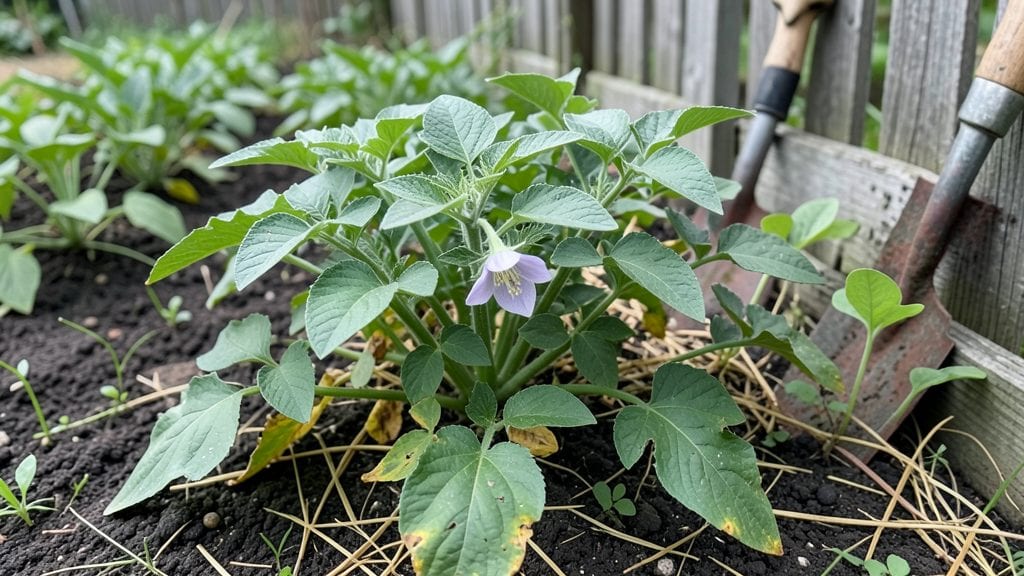
You should never plant squash and potatoes together because their close proximity increases the risk of blight diseases spreading between them. Instead, pair them with marigolds, beans, or corn to create healthier garden conditions.
This pairing is a gardener's nightmare because both plants share vulnerabilities to fungal diseases like late blight and powdery mildew. 🌱 The problem worsens when squash vines block sunlight to potato leaves, creating damp conditions that fungi love.
I've seen entire harvests ruined when these two were planted too close—always keep them separated by at least 10 feet or use raised beds to prevent cross-contamination.
For healthier gardens, marigolds act as natural pest deterrents while beans enrich the soil with nitrogen. Corn provides shade for squash vines without smothering potatoes. The key is strategic spacing and smart companion choices to break the disease cycle entirely.
💡 In This Article
- Why Squash and Potatoes Are Poor Garden Companions
- Best Companion Plants for Squash and Potatoes
Why squash and potatoes are poor garden companions
The real enemy here is late blight (Phytophthora infestans), a fungal pathogen that thrives in moist conditions and spreads through water droplets or infected soil. Both squash and potatoes are highly susceptible—when planted together, spores can jump between plants with terrifying efficiency.
Studies show infected potato leaves can release up to 100,000 spores per square inch under humid conditions, creating a perfect storm for cross-contamination. 🌡️ The fungus doesn't just attack foliage; it invades tubers and fruit, turning them into inedible, rotting masses.
Here's how the environment makes things worse: squash vines grow aggressively, casting dense shade over potato plants. This reduces airflow and increases leaf moisture levels by 30-50%, creating the ideal humidity (above 75%) that fungal spores need to germinate.
The vines also trap moisture against potato stems, giving spores direct access to entry points. What most gardeners don't realize is that even healthy-looking squash can harbor dormant fungal spores—these become active when conditions get damp, turning your garden into a disease breeding ground.
The soil plays a critical role too. Both plants share similar root zones where fungal spores can persist for years. When you plant them together, you're essentially creating a monoculture—a gardener's worst nightmare for disease spread.
The spores from infected potato tubers can contaminate squash roots, while squash mildew spores (Podosphaera xanthii) can reinfect potato leaves. This two-way contamination is why professional growers maintain strict separation distances of at least 10 feet between these crops in commercial operations.
Let's talk numbers: in controlled trials, gardens where squash and potatoes were planted within 5 feet showed 60% higher blight incidence compared to separated plots. The economic impact is staggering—potato blight alone costs global farmers over $6.7 billion annually in lost crops.
For home gardeners, the difference between a thriving harvest and a wasted season often comes down to this simple spacing rule. The good news? Smart companion planting can completely reverse this trend.
What makes this particularly frustrating is how quickly symptoms appear. You might see healthy plants one day, then within 48 hours, dark brown lesions with white fuzzy edges spreading across leaves. These are classic signs of late blight—by then, it's often too late to save the crop.
The fungus spreads 1-2 inches per day under ideal conditions, which is why prevention through spacing and companion plants is your best defense. 🌱
Here's the science behind the shade effect: squash vines can reduce sunlight penetration by up to 70% in their immediate vicinity. This creates microclimates where temperature drops and humidity spikes—perfect conditions for fungal spores to germinate.
The contrast is striking when you compare shaded potato leaves (which develop blight within 5-7 days) versus those with full sun exposure (which may take 2-3 weeks to show symptoms). This environmental interaction is why many gardeners report complete crop failures when these plants are combined.