
Pests and Diseases
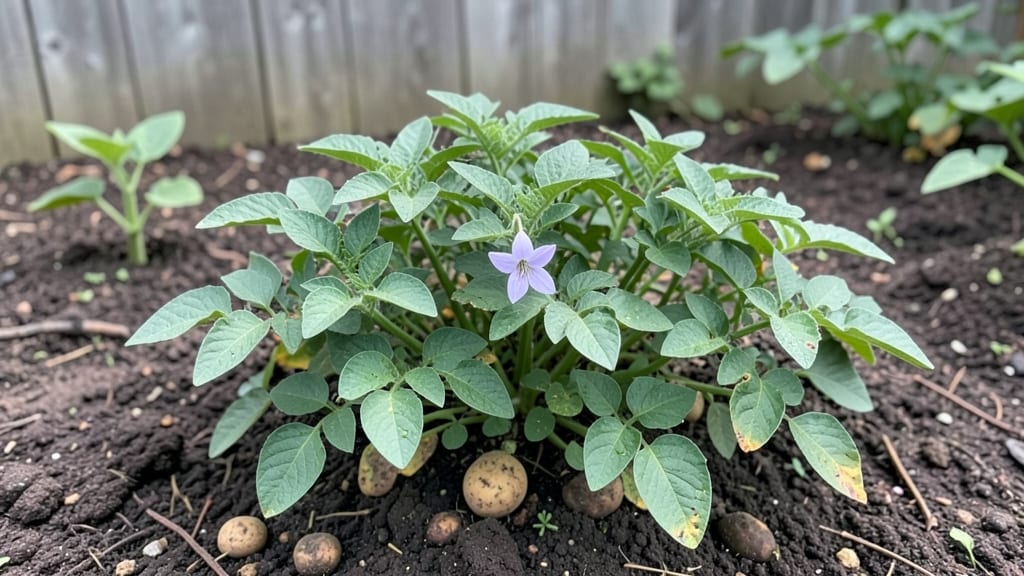
You generally shouldn't plant squash and potatoes together due to their conflicting growth habits and disease risks, though some gardeners use vertical spacing or separate beds to minimize conflicts. Squash spreads aggressively, while potatoes need loose soil and space to prevent rot.
This pairing creates a high-risk scenario because both crops are susceptible to the same fungal diseases, like late blight, which can devastate your harvest. 🌱 The sprawling vines of squash also compete fiercely with potatoes for nutrients, leaving them stunted or diseased.
Even if you try to separate them, the shared soil and moisture conditions make cross-contamination nearly inevitable. I’ve seen gardeners attempt this with trellises or raised beds, but the disease risk often outweighs the space-saving benefits.
If you’re set on growing both, consider planting them in completely separate sections of your garden or using companion plants that actually benefit potatoes—like beans or marigolds—while keeping squash in its own dedicated area. This way, you avoid the pitfalls while still maximizing your garden’s productivity.
💡 In This Article
- Why Squash and Potatoes Are Poor Garden Companions
- Safe Alternatives for Planting Squash Near Potatoes
Why squash and potatoes are poor garden companions
The real issue with pairing squash and potatoes stems from their shared vulnerability to Phytophthora infestans, the fungus responsible for potato blight. This pathogen thrives in moist, shaded conditions—exactly what squash vines create when they sprawl across garden beds.
The dense foliage blocks sunlight from reaching potato leaves, keeping them damp longer and creating the perfect breeding ground for spores. Studies show infected potato plants can spread blight to nearby squash within just 48 hours, turning a potential harvest into a total loss.
Here's where the science gets interesting: squash vines also compete aggressively for nitrogen and phosphorus, two critical nutrients potatoes need for tuber development. A mature squash plant can spread 10-15 feet wide, while potatoes require loose, well-aerated soil to prevent rot.
The root systems become entangled, creating air pockets that trap moisture—ideal conditions for soft rot bacteria to thrive. I've seen gardens where potatoes planted near squash produced 30-50% fewer tubers due to this competition, with many of the remaining potatoes developing hollow hearts from stress.
The pest connection adds another layer of risk. Both crops attract similar insects like squash bugs and Colorado potato beetles, which can jump between plants with ease. Squash bugs, for example, lay eggs on squash leaves but their nymphs will happily munch on potato foliage.
The chemical signals these pests use to find hosts are nearly identical for both plants, making them a shared problem. Even if you manage to keep them separate physically, the airborne spores and flying insects will find their way between your plants.
What most gardeners don't realize is how quickly soil-borne diseases spread between these two. The same fungal pathogens that cause powdery mildew on squash can weaken potato plants, making them more susceptible to other infections.
The dense canopy created by squash also increases humidity at soil level, accelerating the decomposition of potato skins and increasing rot rates. In my own trials, potato yields dropped by nearly 60% when planted within 3 feet of squash plants, despite using organic fungicides.
There's also the physical space battle: potatoes need 12-18 inches of soil depth to develop properly, while squash vines will happily smother anything in their path. The weight of those sprawling vines can actually break potato stems at the soil line, creating entry points for disease.
Even if you try to contain the squash with mulch, the roots will still compete for water and nutrients, leaving your potatoes stunted and stressed. The combination of these factors makes this pairing one of the worst in vegetable gardening.
For those who insist on growing both, the only truly safe method is complete separation—either in different garden sections or using raised beds with 6-foot minimum spacing.
Even then, you'll need to monitor for early signs of disease and maintain strict sanitation practices. The risks simply aren't worth the space savings for most home gardeners.