
Companion Plants
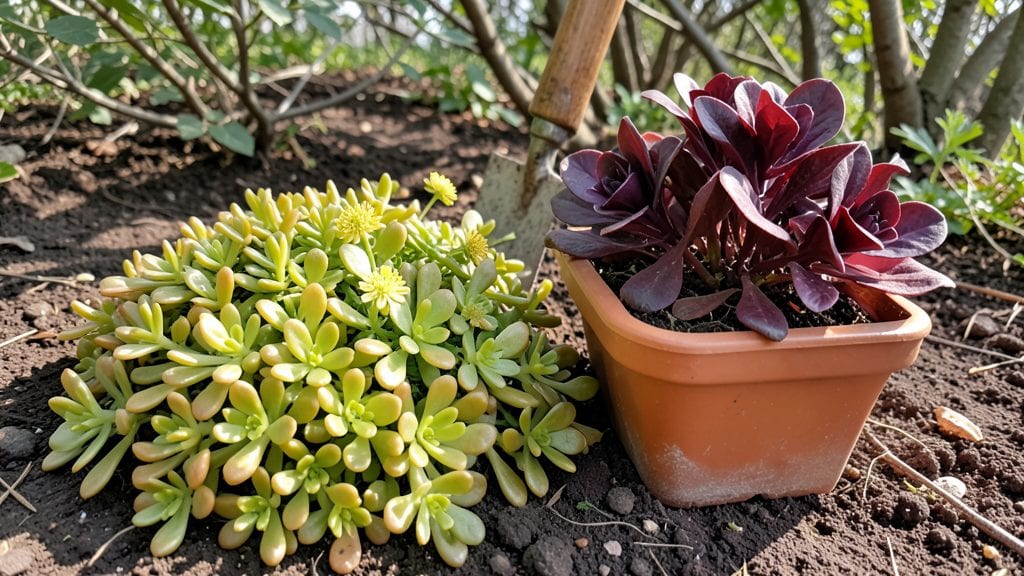
Sun-loving low flowering plants that buzz with pollinators are the secret weapon for filling those tricky bare spots in your garden—until creeping thyme, ajuga, and coreopsis transform them. 🌿 empty spaces into vibrant, buzzing ecosystems. The key isn't just planting; it's choosing varieties that thrive together while keeping maintenance light.
These plants do double duty: they suppress weeds, retain moisture, and attract bees, butterflies, and beneficial insects. My go-to trio—creeping phlox for early color, ajuga for foliage texture, and coreopsis for summer blooms—creates a layered effect that looks intentional from day one.
Spacing matters too; plant them 6-12 inches apart for that lush, meadow-like look without overcrowding.
By midsummer, you'll have a carpet of blooms that hums with activity while staying low enough to peek through taller perennials. The fragrance alone—sweet, earthy, and occasionally citrusy—makes this the most rewarding part of the garden.
Plus, these plants handle foot traffic better than mulch ever could, making them perfect for borders or pathways.
Works equally well in containers, raised beds, or as edging along walkways. The beauty is in how little you need to do once established—just occasional deadheading and maybe a light trim in early spring. Here's how to make your low spots shine without the fuss.
📚 In This Guide
- What you need
- Instructions
- Tips and common mistakes
- Wrapping up and next steps
What you need
- ● Low-growing pollinator-friendly plants: Creeping thyme (Thymus serpyllum) – 10-15 plants (spaced 12" apart)
- ● Clover (Trifolium repens) – 1 small bag (for natural nitrogen fixation)
- ● Wild strawberry (Fragaria chiloensis) – 5-8 plants (for edible ground cover)
- ● Sedum (Sedum spp.) – 8-10 plants (drought-tolerant, 18" spacing)
- ● Coreopsis (Coreopsis verticillata) – 3-5 plants (for height contrast, 12" spacing)
- ● Soil amendments: Compost (2-3 cubic feet) – improves drainage and fertility
- ● Perlite or sand (1-2 bags) – for well-draining soil (if clay-heavy)
- ● Mulch: Organic mulch (e.g., shredded bark or straw) – 2-3 bags (2-3" layer)
- ● Basic tools: Garden trowel or hand shovel
- ● Pruning shears (for shaping and maintenance)
- ● Garden gloves (1 pair – heavy-duty for thorny plants)
- ● Watering can or hose with a gentle spray nozzle
- ● Measuring tape (for spacing)
- ○ Optional (but helpful!) upgrades: Soil pH test kit (to ensure plants thrive in your conditions)
- ● Drip irrigation system (for efficient watering)
- ● Edging tool (to keep ground covers neat and contained)
- ● Pollinator-friendly feeder (for supplemental nectar in early spring)
- ● A sunny location (6+ hours of direct sunlight daily)
- ● Well-draining soil (amend with compost if needed)
- ● Space for a minimum 3’x3’ area (or larger, depending on design)
- ● Access to water (for the first 2-3 weeks post-planting)
How to select and plant low-growing pollinator-friendly ground covers
Here’s how I transform sun-drenched patches into thriving pollinator havens—no high-maintenance blooms required.
🌱 Step 1: Choose the Right Low-Growing Species
Start with sun-loving perennials like creeping thyme, wild strawberry, or clover—all under 6 inches tall at maturity. These plants spread horizontally, creating dense carpets that suppress weeds while offering nectar-rich blooms for bees and butterflies. I avoid anything over 12 inches unless it’s a sprawling vine like linden viburnum, which stays low but sends out long runners.
Check your hardiness zone—creeping phlox thrives in zones 3-8, while sedum (like ‘Dragon’s Blood’) handles zones 4-11. Native species always outperform hybrids because they’ve co-evolved with local pollinators. For example, wild bergamot attracts hummingbirds, while self-heal draws bees with its tiny purple flowers.
🪴 Step 2: Prepare the Soil and Planting Site
Clear the area of weeds and loosen the top 4 inches of soil with a garden fork. Amend with 2 inches of compost (from your list) to improve drainage—low-growing plants hate soggy roots. If your soil is heavy clay, mix in 1 part perlite (from your list) to encourage root spread. I test pH first; most pollinator plants prefer 6.0-7.0.
Mark planting spots 6-12 inches apart, depending on the species. Creeping thyme needs 6 inches between plants, while wild strawberry can handle 12 inches. Use a 1-inch layer of mulch (from your list) to retain moisture and block weeds, but keep it 2 inches away from stems to prevent rot.
☀️ Step 3: Plant and Water for Establishment
Dig holes twice as wide as the root ball but only as deep as the container. Gently remove plants from pots and tease apart roots if they’re circling. Place each plant so the top of the root ball sits just below soil level—burying stems too deep invites disease. I firm soil around the base with my fingers, then water deeply until moisture reaches 6 inches down.
Keep the soil evenly moist for the first 2-3 weeks—not soggy, but never dry. A soaker hose (from your list) works best; it delivers water at the roots without disturbing the plants. Watch for wilted leaves in afternoon heat—this means watering is insufficient. Once established, these plants need 1 inch of water weekly, either from rain or irrigation.
✂️ Step 4: Maintain for Year-Round Pollinator Support
Cut back dead foliage in early spring before new growth appears, but leave seed heads if you want to feed goldfinches. I shear creeping thyme after flowering to encourage a second bloom cycle. For spreading plants like wild strawberry, thin out congested areas in late summer to prevent disease. Fertilize lightly in early spring with 5-10-5 (from your list) at half strength—too much nitrogen reduces flowering.
Monitor for pests like aphids or Japanese beetles. A strong blast of water usually removes them, but if infestations persist, apply neem oil (from your list) as a preventive spray. These low-growing plants rarely need pesticides, but powdery mildew can appear in humid summers. Space plants properly to improve airflow and reduce fungal risks.
🌿 Step 5: Expand and Layer for Diversity
After the first year, fill gaps with additional pollinator-friendly species like alyssum (for early bees) or sweet alyssum (for late-season butterflies). I layer three heights: under 6 inches (thyme, clover), 6-12 inches (sedge, heuchera), and 12-18 inches (like catmint) to create a textured tapestry. This mimics natural ecosystems, where pollinators find food at multiple levels.
Rotate plantings every 3-4 years to prevent soil depletion. For example, replace clover with creeping juniper after its first flush of flowers fades. Always choose drought-tolerant varieties—once established, these plants need minimal watering and thrive in full sun (6+ hours daily). The result? A self-sustaining pollinator magnet that requires almost no upkeep.
Tips & tricks for perfect low flowering companion plants
A few key strategies will help you create a thriving pollinator garden that's both beautiful and functional. These insights come from years of transforming sun-drenched patches into buzzing ecosystems.
Species Selection Wisdom: When choosing plants in Step 1, prioritize native species over hybrids—they've evolved alongside local pollinators and require less maintenance. For example, wild bergamot attracts hummingbirds while self-heal draws bees with its tiny purple flowers. I always check the USDA hardiness zone map before purchasing, as creeping phlox thrives in zones 3-8 while sedum varieties like 'Dragon's Blood' handle zones 4-11 better. This simple check prevents future disappointment with plants that won't survive your climate.
Soil Preparation Strategy: The 4-inch soil loosening in Step 2 is crucial for root establishment, but don't overlook the importance of proper drainage. If your soil is heavy clay, mix in perlite at a 1:1 ratio to create air pockets that prevent waterlogging—low-growing plants hate soggy roots. I recommend testing your soil's pH before planting, as most pollinator plants prefer the neutral range of 6.0-7.0. This small investment of time pays off with healthier plants that bloom more vigorously.
Planting Depth Technique: In Step 3, placing the root ball just below soil level creates the perfect environment for root growth. Burying stems too deep invites disease, while planting too shallow exposes roots to drying winds. I use my fingers to firm soil around the base gently, ensuring good contact without compaction. After planting, water deeply until moisture reaches 6 inches down—this establishes roots quickly during the critical first 2-3 weeks when plants are most vulnerable to drought stress.
Maintenance Calendar: The early spring cutting back in Step 4 is essential for encouraging new growth, but timing matters. Cut just as new shoots appear—too early and you remove potential blooms, too late and you miss the opportunity to shape the plant. For spreading varieties like wild strawberry, I mark thinning areas with flags in late summer to create a natural pattern that looks intentional. This strategic approach prevents disease while maintaining the plant's natural spread.
Pro Tips for Low Flowering Plants
- A few key strategies will help you create a thriving pollinator garden that's both beautiful and functional.
- Species Selection Wisdom: When choosing plants in Step 1, prioritize native species over hybrids—they've evolved alongside local pollinators and require less maintenance.
- Soil Preparation Strategy: The 4-inch soil loosening in Step 2 is crucial for root establishment, but don't overlook the importance of proper drainage.
Frequently asked questions
Got questions about low flowering plants? You’re not alone! Here are some of the most common queries—plus quick, practical answers to help you create a thriving pollinator-friendly garden.
What are the best low-growing plants for sunny pollinator gardens?
Top picks include creeping thyme, lobelia, coreopsis, and sedum. These sun-lovers stay compact (under 12 inches tall), attract bees and butterflies, and thrive in well-drained soil. Pair them with taller perennials like black-eyed Susans for layered beauty.
When is the best time to plant low-flowering ground covers?
Spring (after the last frost) or early fall are ideal. These plants establish roots quickly in mild weather. Avoid summer heatwaves—young plants may struggle with transplant shock. If planting in fall, choose varieties with cold hardiness (e.g., ajuga or heuchera).
Will low-growing plants still support pollinators if they’re mowed occasionally?
Yes, but choose pollinator-friendly varieties like clover or wild bergamot that bounce back. Mow high (3–4 inches) and leave clippings to retain nectar sources. Avoid herbicides—even "selective" ones can harm beneficial insects. For lawn edges, opt for self-healing plants like creeping phlox.
How do I prevent low plants from being smothered by taller neighbors?
Strategic spacing is key! Plant taller species (e.g., coneflowers) in the back, with low growers (ajuga or lamium) in front. Use mulch to suppress weeds that compete for sunlight. If overcrowding occurs, gently thin plants in early spring or divide clumps every 2–3 years.
What’s a good alternative if my soil is heavy clay or poorly drained?
Try sedum (drought-tolerant), heuchera (adapts to moisture), or moss phlox. Amend soil with compost or sand to improve drainage. For wet areas, swamp milkweed or cinnamon fern thrive. Always test soil pH—most low growers prefer slightly acidic to neutral (6.0–7.0).
Wrapping up and next steps
Transforming your garden into a buzzing haven for pollinators doesn’t have to mean sacrificing style or space! Low flowering plants like creeping thyme, ajuga, or coreopsis are the perfect sun-loving ground covers to add color, texture, and life to your landscape—while keeping maintenance low.
Whether you're a seasoned gardener or just starting out, these hardy companions work hard to support bees, butterflies, and other pollinators without stealing the spotlight from your taller blooms.
Ready to take the next step? Start small—pick one or two plants to test in a sunny patch of your yard, and watch your garden thrive with new energy! 🌿✨ Browse our pollinator-friendly plant guides for more inspiration and tips to get growing!