
Landscaping
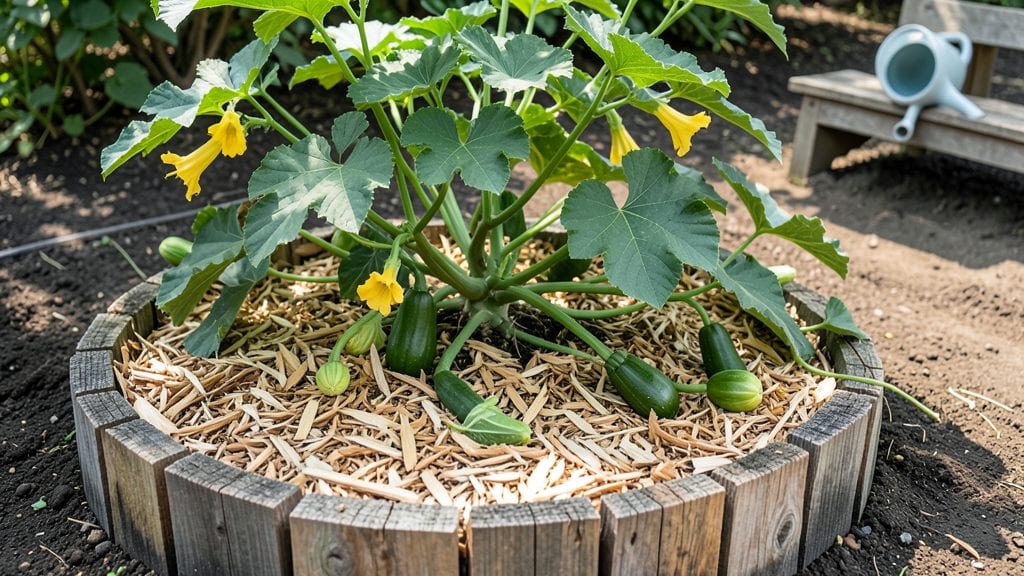
Mulching squash plants creates an ideal growing environment by locking in moisture, blocking weeds, and stabilizing soil temperatures, with straw, grass clippings, or shredded leaves working best. Spread a 2-3 inch layer around plants while keeping it clear of stems to avoid rot.
Using organic mulch around squash plants isn't just about looks—it's a game-changer for their health.
The right mulch keeps soil consistently moist, which squash vines crave, especially during hot summer months when roots can dry out quickly. 🌱 I've seen firsthand how mulched beds stay cooler in peak sun, reducing stress on plants while also cutting down on weeds that compete for nutrients.
Plus, organic materials break down over time, slowly enriching the soil with nutrients that squash plants love.
For best results, I recommend applying mulch right after planting and replenishing it as it decomposes. The key is keeping that 2-3 inch layer—thick enough to work but not so deep it smothers young plants.
And remember, always pull mulch back slightly from the stem to prevent moisture buildup that could lead to fungal issues.
💡 In This Article
- How Organic Mulch Benefits Squash Growth
- Best Mulching Materials and Application Tips for Squash
How organic mulch benefits squash growth
Organic mulch creates a protective microclimate around squash plants by forming a physical barrier that slows water evaporation.
When you apply a 2-3 inch layer of straw or shredded leaves, it reduces soil moisture loss by up to 70% compared to bare ground, according to studies from the University of California.
This is crucial because squash plants have shallow root systems that need consistent hydration—especially during their rapid growth phase when they produce large leaves and heavy fruits. The mulch's fibrous texture traps moisture like a sponge while allowing excess water to drain, preventing waterlogged conditions that could rot roots.
The weed suppression benefits come from blocking sunlight, which most weeds need to germinate and grow. A 3-inch mulch layer can reduce weed competition by 90%, meaning fewer nutrients get diverted from your squash plants.
Organic mulches also improve soil structure over time as they decompose, adding organic matter that enhances soil aeration and microbial activity. For example, straw breaks down slowly, releasing nutrients gradually, while grass clippings decompose faster but require more frequent replenishment.
The decomposition process also creates beneficial mycorrhizal fungi that help squash roots absorb nutrients more efficiently.
Temperature regulation works through insulation—organic mulch acts like a blanket, keeping soil 5-10°F cooler during hot days and 5°F warmer on chilly nights. This stability is particularly important for squash, which prefers soil temperatures between 60-90°F for optimal growth.
Inorganic mulches like plastic or landscape fabric can achieve similar temperature effects but lack the soil-enriching benefits. The organic materials also prevent soil-borne diseases by reducing splashing from rain or irrigation, which can spread fungal spores.
For instance, powdery mildew—a common squash problem—is less likely to take hold when leaves stay dry from mulch protection.
One key advantage of organic mulch is its ability to prevent soil compaction while improving drainage. As the material decomposes, it creates channels that allow air and water to penetrate the soil, which is especially beneficial in heavy clay soils where squash roots can suffocate.
The breakdown process also gradually increases the soil's water-holding capacity by 15-20%**, making it more resilient during drought periods. This long-term soil improvement contrasts with inorganic mulches, which offer immediate benefits but don't contribute to soil health over time.
For squash plants, the right mulch choice can mean the difference between thriving vines and struggling ones. Organic options like straw provide a neutral pH environment that won't alter soil chemistry, while materials like wood chips may acidify the soil slightly over time.
Always avoid fresh grass clippings if they contain weed seeds or herbicides, as these can harm your squash. The best approach is to use a combination of materials—like straw for moisture retention and leaf mold for nutrient boosts—to create an ideal growing environment. 🌱