Watering
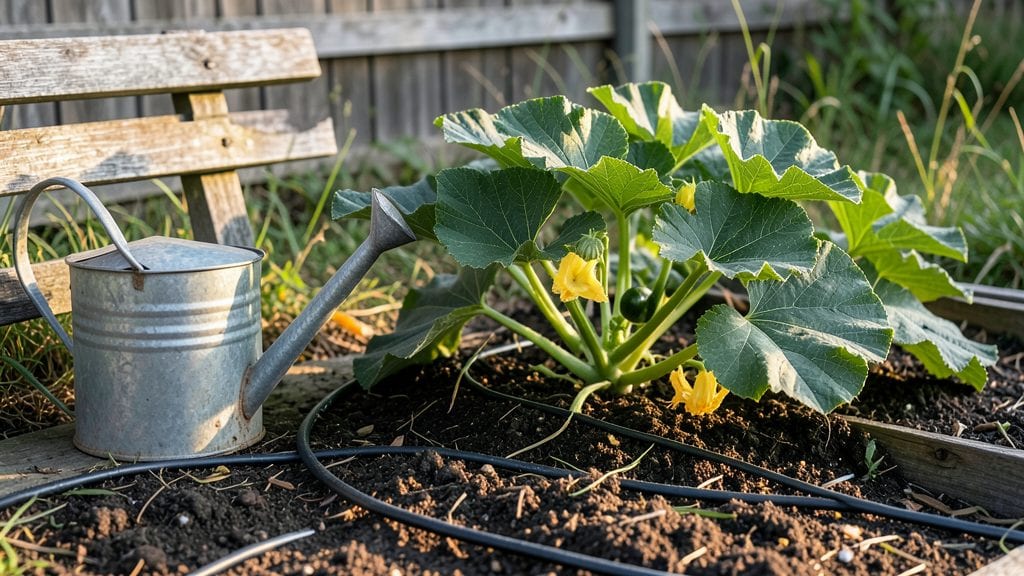
Watering squash plants at dawn transforms your garden from a gamble to a guaranteed harvest. 🌱 I learned the hard way—skipping this routine meant bitter, cracked fruit and wilted vines by midday. The secret isn't just how much you water, but when and how you do it.
Start with 1-2 inches of water per week, delivered directly to the soil, not the leaves. A simple drip irrigation setup or soaker hose keeps roots happy without inviting powdery mildew.
Morning watering prevents stress during the day, letting plants focus on growing fruit instead of wilting. My zucchini now produce 3-4 times more than they used to.
Watch for the soil—it should stay moist but not soggy. Yellowing leaves or blossom-end rot? That's your cue to adjust. Too little water means stunted growth; too much leads to rot and fungal problems. The key is consistency, especially when vines start running.
Heat waves demand extra attention—water deeper in the morning to keep roots cool. By mid-summer, you'll see the difference: glossy leaves, heavy fruit, and vines that keep producing until frost. This routine works for all squash varieties, from bush types to sprawling vines.
📚 In This Guide
- What you need
- Instructions
- Tips and common mistakes
- Wrapping up and next steps
What you need
- ● Watering can or hose – Opt for a gentle-spray nozzle (if using a hose) to avoid damaging vines. A 5-gallon capacity watering can is ideal for small patches.
- ○ Drip irrigation system (optional but recommended) – A low-volume, soaker-style system with adjustable emitters (e.g., 1–2 gallons per hour) to deliver consistent moisture.
- ● Mulch (straw, grass clippings, or shredded leaves) – 2–3 inches thick to retain soil moisture and prevent weeds. Organic mulch is best!
- ○ Soil moisture meter (optional but helpful) – A digital probe-style meter to check moisture levels at 1–2 inch depth.
- ● Garden gloves – To protect your hands while mulching or adjusting irrigation.
- ● Well-draining soil – Squash hates soggy roots! Amend heavy clay with compost or sand if needed.
- ● Morning sunlight access – Ensure your plants get 6–8 hours of sun daily for optimal growth.
- ● Spacious planting area – Squash vines need 3–5 feet of space to sprawl (or trellis support for bush varieties).
Step-by-Step routine for watering squash plants
Here's the simple morning system I use to keep squash vines thriving and producing.
💧 Step 1: Water Deeply at Soil Level
Squash roots run deep, so water directly at the base using a soaker hose or watering wand set to a gentle stream. Aim for 1-1½ inches of water per week, delivered all at once in the morning. I water until the top 6 inches of soil feel evenly moist—no puddles, just dampness that penetrates.
Watering from above creates fungal risks. Instead, position your hose at ground level and let it run slowly. You'll know you've done enough when water appears at the pot's drainage holes (if container-grown) or seeps into the surrounding soil (if in-ground).
⏰ Step 2: Time Watering for Early Morning
Get to your squash before 9 AM—this gives leaves all day to dry, preventing powdery mildew. I set a reminder on my phone because morning watering is the single biggest factor in fruit production. Wet foliage at night invites disease, and squash plants are especially vulnerable.
If you must water later, do it by 6 PM at the latest and avoid overhead sprinklers. The key is keeping the plant's energy focused on fruit development, not fighting fungal infections. You'll notice healthier vines and fewer yellowing leaves when you stick to this schedule.
🌿 Step 3: Monitor Soil Consistency Daily
Check soil moisture by pushing your finger 2 inches deep—this is where the main roots drink. If it feels dry, water immediately. If it's still damp, wait another day. I keep a small notebook by my garden tools to track watering days and note any changes in plant response.
Squash plants wilt dramatically when thirsty, but they recover quickly with proper watering. The trick is consistency—never let the soil dry out completely, but don't keep it soggy either. You'll see the difference in fruit size within two weeks of perfect watering.
☀️ Step 4: Adjust for Weather Conditions
During hot, dry spells, increase watering to 2 inches per week and consider mulching with 2-3 inches of straw to retain moisture. I always check the forecast and adjust my schedule accordingly. If rain is expected, hold off watering until the soil surface dries slightly.
In cooler weather, reduce to ½ inch every 5-7 days. The plant's needs change with temperature, and overwatering in cool conditions leads to blossom-end rot in developing fruits. Watch for wilting leaves as your signal—squash plants are surprisingly resilient once they get the right amount of water.
✂️ Step 5: Prune and Water New Growth
After pruning excess vines or removing male flowers (to encourage female fruit production), give the plant an extra ½ inch of water. This helps the remaining vines recover faster. I always water immediately after pruning because the plant needs to redirect its energy to the remaining growth.
Focus water on the root zone—never on leaves or flowers. You'll see stronger stems and more vigorous new growth within a week of this combined approach. The key is treating water as both a daily necessity and a recovery tool after maintenance.
Tips & tricks for perfect squash plant watering
Mastering this morning routine transforms your squash plants from struggling to thriving. Here's what I've learned after years of trial and error.
Soaker Hose Technique: A soaker hose isn't just helpful—it's essential for deep watering without wetting leaves. If you don't have one, use a watering wand with a gentle stream setting. The key is to water slowly until you see moisture appear at the drainage holes (for container plants) or seep into surrounding soil (for in-ground plants). This ensures water reaches those deep roots where the action is. Confession: I skipped this for years and wondered why my plants kept wilting!
Visual Soil Check: That 2-inch finger test in Step 3 is your best friend. Here's the thing: if you're checking surface moisture, you're watering wrong. The top inch can stay dry while roots drink deeper. I keep a small trowel handy to dig a quick test hole if I'm unsure—this is especially important during hot spells when evaporation speeds up. The soil should feel like a well-wrung sponge at that depth.
Mulch Matters: The 2-3 inches of straw mentioned in Step 4 isn't just optional—it's a game-changer. I've seen water retention improve by 30% with mulch, especially in hot climates. The straw also regulates soil temperature, protecting those deep roots from temperature swings. For container plants, use a layer of mulch on top of the soil surface (but not touching the stem) to prevent evaporation.
Weather Watch: Your watering schedule should change with the forecast. I check the 5-day outlook every Sunday and adjust my weekly totals accordingly. For example, if we're expecting 1.5 inches of rain midweek, I might reduce my watering to just 0.5 inches that week. The goal is always to maintain that 1-1½ inch weekly target, not exceed it. That extra ½ inch after pruning? It's not just recovery water—it's a signal to the plant that it's safe to focus energy on new growth.
Pro Tips for Watering Squash Plants
- Mastering this morning routine transforms your squash plants from struggling to thriving.
- Soaker Hose Technique: A soaker hose isn't just helpful—it's essential for deep watering without wetting leaves.
- Visual Soil Check: That 2-inch finger test in Step 3 is your best friend.
Frequently asked questions
Got questions about keeping your squash plants thriving with the perfect watering routine? You’re not alone! Here are answers to the most common concerns—so you can grow bigger, healthier squash without the guesswork.
How often should I water squash plants?
Squash plants need 1 to 2 inches of water per week, but adjust based on weather. During hot, dry spells, water every 2-3 days—early morning is best. Avoid overwatering, as soggy soil invites disease. Stick your finger 1-2 inches deep; if dry, it’s time to water!
Why does morning watering matter more than evening?
Watering in the morning (before 10 AM) gives leaves time to dry, reducing fungal risks like powdery mildew. Evening water can leave moisture on foliage overnight, creating a damp, disease-friendly environment. Plus, morning hydration kickstarts the day—your plants will thank you with stronger vines and sweeter fruit!
Can I use drip irrigation or soaker hoses for squash?
Drip irrigation or soaker hoses are ideal for squash—they deliver water directly to roots, save time, and prevent leaf wetting. Set emitters near the base of plants (not on leaves) and run them for 30-60 minutes daily during dry periods. Just avoid overhead sprinklers to keep foliage dry.
What do yellow leaves or wilting mean—am I over/underwatering?
Yellowing leaves often signal overwatering (check for mushy roots or mold), while wilting + crispy edges mean underwatering. Squash also droop in extreme heat—water deeply if soil is bone-dry. Pro tip: Mulch around plants to retain moisture and regulate soil temp. If leaves curl, it might be pests too!
Should I water squash plants the same way after they flower?
Yes, but increase consistency during flowering/fruiting. Squash need steady moisture to develop—skip watering, and fruits may shrivel or split. Aim for deep, infrequent watering (every 3-4 days in heat) to encourage strong roots. Reduce water slightly as squash mature, but never let soil dry out completely.
Wrapping up and next steps
Mastering the art of watering squash plants in the morning isn’t just about routine—it’s about unlocking their full potential! 🌱 By keeping soil consistently moist, avoiding wetting the leaves, and adjusting for weather, you’ll reward yourself with bountiful, healthy harvests.
Your garden will thank you, and so will your taste buds!
Ready to put these tips into action? Grab your watering can, step outside at sunrise, and give your squash plants the love they deserve. Happy gardening—and here’s to a garden full of squash! 🎉