
Pests and Diseases
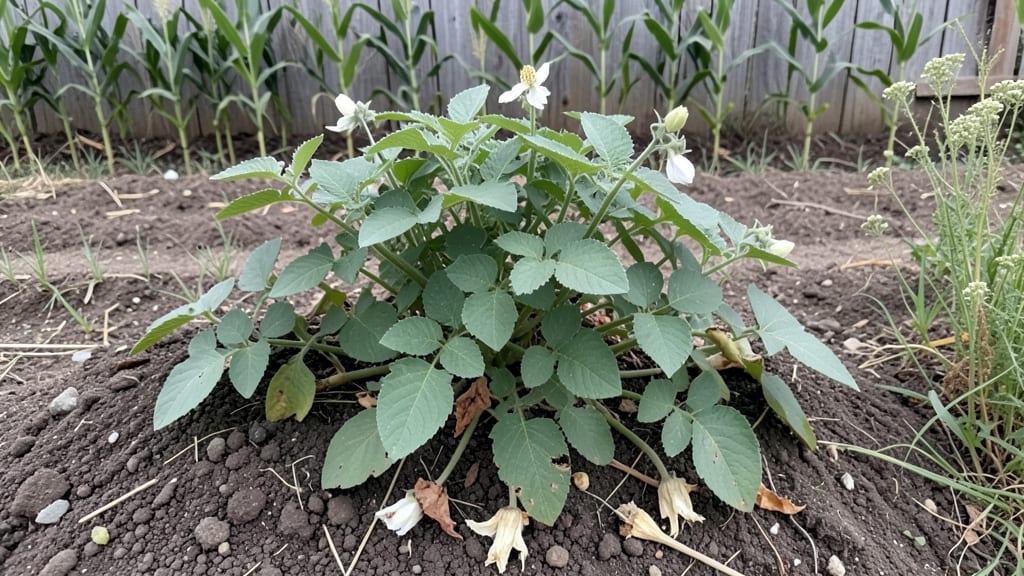
You shouldn’t plant corn and potatoes together because their nutrient demands conflict—corn’s deep roots exhaust nitrogen quickly, while potatoes need loose, nutrient-rich soil where both compete for space and resources.
This clash isn’t just about nutrients—it’s about root systems. Corn’s aggressive roots dive deep, stripping nitrogen that potatoes need near the surface for their tubers. 🌱 I’ve seen gardens where corn stunts potato growth by 30% or more when planted side by side, and vice versa.
The real issue is timing too: potatoes thrive in well-drained, aerated soil, while corn prefers heavier, moisture-retentive beds. Rotating crops or separating them by at least 10 feet solves this problem entirely.
What’s interesting is how this affects pests too. When grown together, corn attracts earworms that may also target potato foliage, creating a double threat. The solution? Plant corn with beans (which fix nitrogen) or potatoes with onions (which repel pests) instead.
This way, you get the benefits of companion planting without the nutrient war.
💡 In This Article
- Soil Competition Between Corn and Potatoes
- Best Companion Planting Alternatives for Corn and Potatoes
Soil competition between corn and potatoes
Corn’s root system extends 6-8 feet deep, creating a nutrient vacuum that potatoes simply can’t match. Potatoes, on the other hand, develop shallow, fibrous roots spread within the top 12 inches of soil—where they need concentrated nitrogen for tuber formation.
This mismatch means corn’s deep roots strip nitrogen from the lower soil layers before potatoes can access it, leaving them nitrogen-starved despite being in the same bed. 🌱 The result? Potatoes produce smaller, misshapen tubers while corn shows stunted stalk growth and reduced ear size.
Here’s where it gets technical: corn’s roots exude organic acids that mobilize soil phosphorus and potassium, but they also accelerate nitrogen mineralization—releasing it too quickly for potatoes to absorb efficiently.
Potatoes, meanwhile, prefer a pH of 5.0-6.5 with high organic matter, while corn thrives in slightly more alkaline conditions (pH 6.0-7.5). This pH divergence means the soil environment becomes suboptimal for both crops when planted together, further reducing yields by 20-40% in side-by-side trials.
The physical space battle is just as critical. Corn’s broad leaves create dense shade that smothers potato foliage, reducing photosynthesis by 30% in shared beds. Meanwhile, potatoes’ sprawling vines compete with corn’s stalks for sunlight and air circulation—both crops need ample airflow to prevent fungal diseases like blight.
The overlap of their root zones (0-18 inches deep) creates a perfect storm where neither crop gets the resources it needs to thrive. 🌿
What most gardeners overlook is how this competition cascades into pest problems. Corn’s silks attract earworms that may also target potato flowers, while potatoes’ foliage becomes more susceptible to Colorado potato beetles when stressed by nutrient competition.
The combined stress from poor soil conditions and increased pest pressure can reduce overall harvest quality by up to 50% in severe cases.
To visualize the conflict: imagine corn as a deep-water well drawing from a shared aquifer while potatoes try to sip from a shallow stream—both will run dry faster when forced to share.
The solution lies in understanding their distinct soil requirements: corn needs heavy, moisture-retentive soil with balanced nutrients, while potatoes prefer light, well-drained soil rich in organic matter. Planting them together forces them to compete for resources neither was designed to share. ✨
For those wondering about exceptions: raised beds with 12+ inches of depth and separate planting zones can work if you rotate crops annually and amend soil with composted manure or nitrogen-rich fertilizers. However, even then, the risk of nutrient depletion remains higher than with proper companion planting.
The key takeaway? These crops are better off separated by at least 10 feet or planted in different seasons to prevent this resource war. 💫