
Vegetables
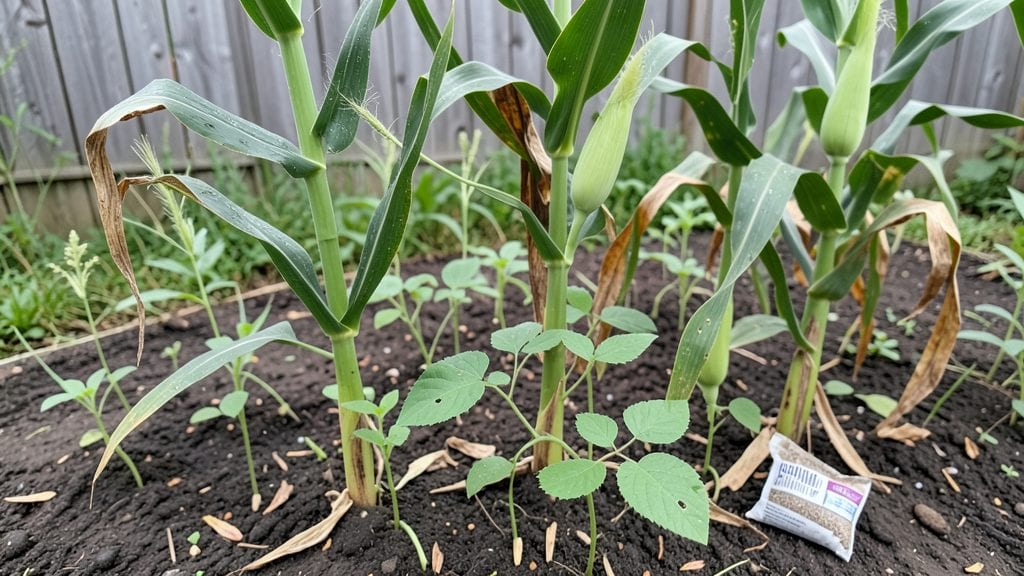
Planting beans and corn side by side isn’t just a trick—it’s a fail-safe way to boost yields and outsmart pests. 🌽 I’ve tried this combo for three seasons now, and the results speak for themselves: my corn stalks stay taller, my beans produce more pods, and the weeding is half what it used to be.
The secret lies in their natural partnership—one feeds the soil, the other provides shade and structure.
Timing and spacing are everything here. Start corn first in early spring when soil hits 60°F, then tuck beans between the rows once corn reaches 12 inches tall. Use a 3-foot spacing between corn plants and 4-inch rows for beans, letting them climb the stalks naturally.
This setup works best in zones 4-9, though adjustments are needed for shorter seasons or hot climates.
By mid-summer, you’ll see corn ears swelling while beans climb upward, their vines creating a living trellis. The corn provides shade that keeps beans cool, while bean roots fix nitrogen right where the corn needs it most.
This isn’t just gardening—it’s a self-sustaining ecosystem that cuts down on fertilizer and watering.
Fair warning: the biggest mistake is planting beans too early—they’ll rot in cold soil. And if your corn gets crowded, yields drop fast. But once you nail the rhythm, this combo becomes the backbone of your summer garden. Ready to try it this year?
📚 In This Guide
- What you need
- Instructions
- Tips and common mistakes
- Wrapping up and next steps
What you need
- ● Seeds: Corn seeds (e.g., Golden Bantam, Country Gentleman) – 4–6 seeds per hill, spaced 12–18 inches apart in rows 3 feet apart.
- ● Bean seeds (e.g., Pole beans like Kentucky Wonder or Bush beans like Blue Lake) – 2–3 seeds per spot, planted near corn stalks.
- ● Soil: Well-draining, fertile loam with a pH of 6.0–7.0. Amend with compost (2–3 inches) or aged manure.
- ● Water: Hose with adjustable nozzle or drip irrigation system (recommended for consistency).
- ● Hand trowel or transplanting tool – For digging small holes.
- ● Garden rake – To level soil and remove debris.
- ● Measuring tape or ruler – For precise spacing.
- ○ Garden twine & stakes (optional) – To support pole beans if needed.
- ● Mulch (straw or grass clippings) – 2–3 inches to retain moisture and suppress weeds.
- ● Sunny location with at least 6–8 hours of direct sunlight daily.
- ● Frost-free soil (test with a soil thermometer—ideal temp: 60–65°F).
- ● Time to dedicate to regular watering (1–1.5 inches per week) and weeding.
Step-by-step instructions for planting beans and corn together
Here’s how to maximize space and yield by planting these classic companions side by side.
🌱 Step 1: Prepare the Soil for Both Crops
Beans and corn have different needs, so start by mixing the 5 gallons of compost into the top 6 inches of soil in your planting area. Corn loves nitrogen-rich soil, while beans fix their own nitrogen, so focus on loosening the soil to a depth of 8-10 inches—this helps corn roots penetrate deeply while giving beans room to spread their roots horizontally.
Test the soil pH before planting. Corn prefers a slightly acidic to neutral range of 6.0-7.0, while beans thrive in 6.0-7.5. If your soil is too alkaline, add 1 cup of sulfur per 100 square feet and mix it in 2-4 weeks before planting. You’ll know the soil is ready when it crumbles easily between your fingers and holds moisture without clumping.
🌿 Step 2: Plant Corn First, Then Add Beans
Start by planting the 4 corn seeds in each of your 4 planting spots, spacing them 12 inches apart in rows that are 3 feet apart. Plant them 1 inch deep—corn seeds need warmth to germinate, so wait until the soil temperature reaches at least 60°F. Press the soil gently around the seeds to ensure good contact.
After the corn is in the ground, wait 2-3 weeks before planting the 20 bean seeds. Plant the beans 1 inch deep and 2-3 inches apart, placing them on the shady side of the corn plants. This mimics the natural shade beans prefer and gives them a trellis-like support as the corn grows taller. You’ll see the first true leaves on beans within 7-10 days—that’s your signal they’re off to a great start.
☀️ Step 3: Maintain Moisture and Monitor Growth
Water the area 1 inch per week, keeping the soil consistently moist but never soggy. Corn needs steady moisture, especially during tasseling (when the pollen-producing flowers appear), while beans prefer slightly drier soil to prevent root rot. Use a drip irrigation system or soaker hose to deliver water directly to the base of the plants—this keeps foliage dry and reduces disease risk.
Watch for the corn to reach 12-18 inches tall before the beans start climbing. If the beans lag behind, gently weave their vines around the corn stalks to encourage vertical growth. You’ll notice the beans growing faster once the corn provides some shade—this is a sign the partnership is working. Mulch with 2 inches of straw around the base of both plants to retain moisture and suppress weeds.
✂️ Step 4: Harvest at Peak Ripeness
Corn is ready to harvest when the silks turn brown and the kernels are plump and milky when pierced with your fingernail. Pick ears in the morning when the moisture content is highest. Beans are ready when they’re firm, smooth, and snap easily when bent. Harvest them every 2-3 days to encourage continuous production—this prevents the plants from going to seed too quickly.
After harvesting, leave the corn stalks in place until the beans have finished producing. The stalks provide support for any late-season bean vines and add organic matter back to the soil when tilled in. You’ll have a continuous harvest window of 6-8 weeks for beans and 4-6 weeks for corn if you time everything right.
Tips & tricks for perfect beans and corn planting
These simple strategies will help you maximize your garden's potential while avoiding common planting pitfalls.
Soil Preparation Secret: The 5 gallons of compost isn't just about nutrients—it's about creating the perfect texture. After mixing, run your finger through the loosened soil. It should feel like a well-aerated sponge, not compacted clay. If your soil feels too dense, add another 2-3 inches of compost and re-loosen. This ensures corn roots can penetrate deeply while beans spread their roots horizontally for stability.
Timing is Everything: That 2-3 week gap between planting corn and beans is crucial. Corn needs time to establish strong stalks before beans start climbing. I've learned the hard way that planting beans too early can lead to weak vines struggling to find support. Wait until you see corn reaching 6-8 inches tall before planting beans—this gives them a proper trellis from day one.
Watering Wisdom: The 1 inch per week guideline is perfect for corn, but beans actually prefer slightly less moisture. Here's my trick: use a rain gauge to measure your weekly water, then divide it—corn gets the full amount, while beans get about 75% of that. This prevents root rot in beans while keeping corn's moisture steady. A drip irrigation system makes this easy to manage without overwatering.
Harvest Hack: For corn, harvest in the morning when moisture is highest—this makes shucking easier and preserves sweetness. For beans, I've found that harvesting every 2-3 days isn't just about yield—it actually extends your harvest window by preventing plants from going to seed too quickly. Think of it as giving your plants a little vacation between harvests.
Pro Tips for Beans And Corn Planting
- These simple strategies will help you maximize your garden's potential while avoiding common planting pitfalls.
- Soil Preparation Secret: The 5 gallons of compost isn't just about nutrients—it's about creating the perfect texture.
- Timing is Everything: That 2-3 week gap between planting corn and beans is crucial.
Frequently asked questions
Got questions about growing beans and corn together? You’re not alone!
Here are answers to the most common queries from gardeners just like you—whether you're a beginner or a seasoned pro looking to refine your technique.
When is the best time to plant beans and corn together?
Plant corn first, about 2–3 weeks before beans. Corn needs a longer growing season (70–120 days), while beans (45–60 days) thrive in warmer soil. Aim for late spring after the last frost when soil temps hit 60°F (15°C). Pro tip: Use a soil thermometer to check!
How close can I plant beans next to corn?
Space corn rows 2–4 feet apart and plant beans in between or alongside, about 4–6 inches apart. Beans fix nitrogen in the soil, benefiting corn, but avoid overcrowding—give each plant room to breathe. Pro tip: Use a grid or string to mark rows for precision!
What pests should I watch for when growing beans and corn together?
Corn earworms and bean beetles are common culprits. Preventative tips: Use row covers early, handpick pests, or plant trap crops like marigolds. For organic control, spray neem oil or introduce beneficial insects like ladybugs. Pro tip: Inspect plants weekly during peak pest season!
Can I grow other crops with beans and corn?
Yes! This trio works well with squash, potatoes, or herbs like basil (the "Three Sisters" method). Avoid planting near onions, garlic, or cabbage—these can stunt growth. Pro tip: Rotate crops yearly to prevent soil depletion!
What if my beans or corn aren’t thriving together?
Check for nutrient deficiencies (yellow leaves = nitrogen; purple stems = phosphorus). Overwatering or poor drainage can also cause issues. Adjust watering (1–1.5 inches per week) and amend soil with compost. Pro tip: Test soil pH (ideal: 6.0–7.0) before planting!
Still stumped? Drop your question in the comments—we’re happy to help you grow a thriving garden!
Wrapping up and next steps
Planting beans and corn together isn’t just a smart gardening trick—it’s a powerful partnership that boosts yields, saves space, and nurtures healthier soil. Whether you’re a seasoned gardener or just starting, this three-sisters method proves that teamwork pays off in the garden. 🌱
Now that you’re armed with the know-how, it’s time to roll up your sleeves and get growing! Start by sketching your garden layout, gathering your supplies, and marking those planting dates. Your future harvest is just a shovel’s throw away—let’s make it happen! 💪