
Pests and Diseases
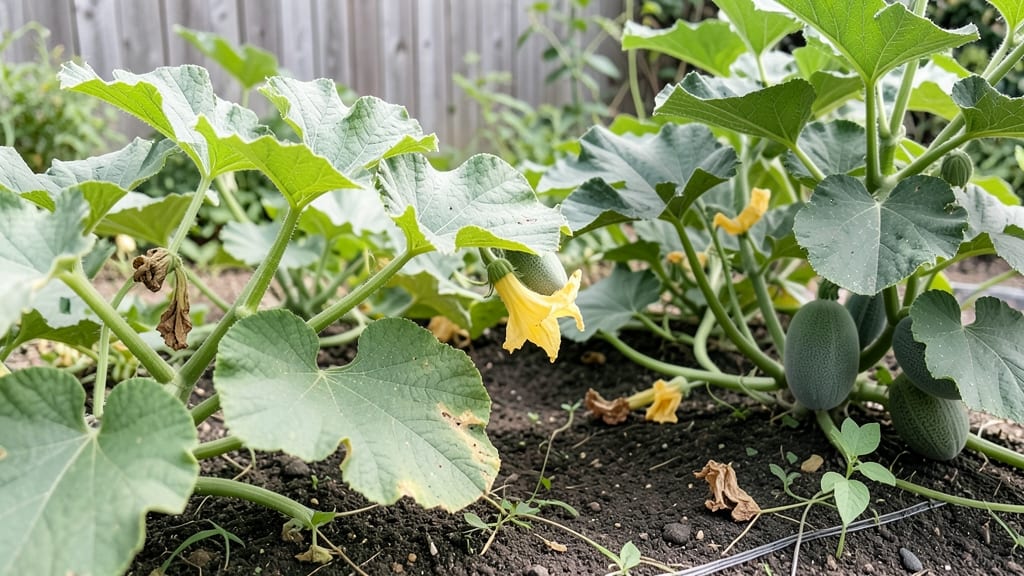
You can plant squash and cantaloupe together with caution, as they share pollinators but need careful spacing (12+ inches apart) to prevent disease spread and ensure healthy growth. Use trellises for vines and avoid overcrowding to maximize yields.
These two summer crops can coexist in the garden, but their shared pollinators—like bees and squash bees—mean cross-pollination risks if planted too closely. 🌱 The key is spacing them at least 12 inches apart to reduce powdery mildew and bacterial wilt transmission, which thrive in crowded conditions.
I’ve found that trellising cantaloupe vines not only saves space but also improves airflow, cutting down on fungal issues. For best results, plant squash varieties with bush growth habits near cantaloupe, and rotate planting locations yearly to maintain soil health.
💡 In This Article
- Pollination Risks and Cross-Contamination Between Squash and Cantaloupe
- Optimal Spacing and Companion Planting Strategies for Squash and Melons
Pollination risks and cross-contamination between squash and cantaloupe
Here's what's actually happening when you plant these two crops nearby: squash (genus Cucurbita) and cantaloupe (genus Cucumis) share the same pollinators, primarily squash bees (Peponapis) and common honeybees. These bees are attracted to both plants' bright yellow flowers, which bloom simultaneously in summer.
The risk comes when pollen from squash transfers to cantaloupe flowers or vice versa, potentially altering fruit characteristics. Squash bees, in particular, are highly specialized and may carry pollen between plants within just 10-15 feet of each other. 🔥
The botanical families matter here: squash belongs to the Cucurbitaceae family but in a different genus than cantaloupe, which means they're not direct relatives but still share pollination pathways. Cross-pollination can lead to cantaloupe developing a slightly bitter taste or tougher skin texture, while squash may produce misshapen fruits.
The flavor impact isn't always noticeable but can be significant in commercial growing where consistency matters. For home gardens, the visual differences might be more apparent than taste changes.
Disease transmission is where spacing becomes critical. Both plants are susceptible to powdery mildew and bacterial wilt, which spread through airborne spores and soil-borne bacteria respectively. When plants are crowded (less than 12 inches apart), humidity lingers longer on leaves, creating ideal conditions for fungal spores to thrive.
The mildew appears as white powdery patches that eventually turn brown and crispy, while bacterial wilt causes sudden wilting and yellowing of leaves within 24-48 hours of infection. Proper airflow from spacing helps prevent these outbreaks.
What most people don't realize is how the plant's growth habits affect contamination risks. Squash typically grows in bushy mounds while cantaloupe sends out sprawling vines that can grow 6-10 feet long. When cantaloupe vines spread between squash plants, they create shaded, humid microclimates where diseases flourish.
This is why trellising cantaloupe is so effective—it lifts the vines off the ground by 12-18 inches, improving airflow and reducing contact between plants. The vines also dry faster after morning dew, cutting down on fungal spore development.
Consider these key factors when assessing compatibility: squash varieties like butternut or acorn (bush types) work better near cantaloupe than sprawling zucchini varieties. The bush types have more compact growth habits that create less competition for space.
Additionally, planting squash in the morning sun and cantaloupe in afternoon shade can help manage temperature differences—squash prefers cooler mornings while cantaloupe thrives in afternoon warmth. This spatial arrangement reduces stress on both plants.
The science behind disease prevention involves understanding spore dispersal patterns. Powdery mildew spores, for example, can travel up to 30 feet in windy conditions, while bacterial wilt spreads through contaminated water droplets. By maintaining 18-inch spacing between plants, you create a buffer zone that disrupts these transmission pathways.
The extra space also allows for better monitoring of individual plants, making early disease detection more likely. 💫
For the home gardener, the most important takeaway is that while these plants can coexist, they require intentional planning. Start by selecting disease-resistant varieties of both squash and cantaloupe—look for labels mentioning resistance to powdery mildew or bacterial wilt.
Then implement the 12-inch minimum spacing rule and consider using drip irrigation instead of overhead watering to keep foliage dry. These simple steps can dramatically reduce cross-contamination risks while allowing you to enjoy both crops in the same season.