
Companion Plants
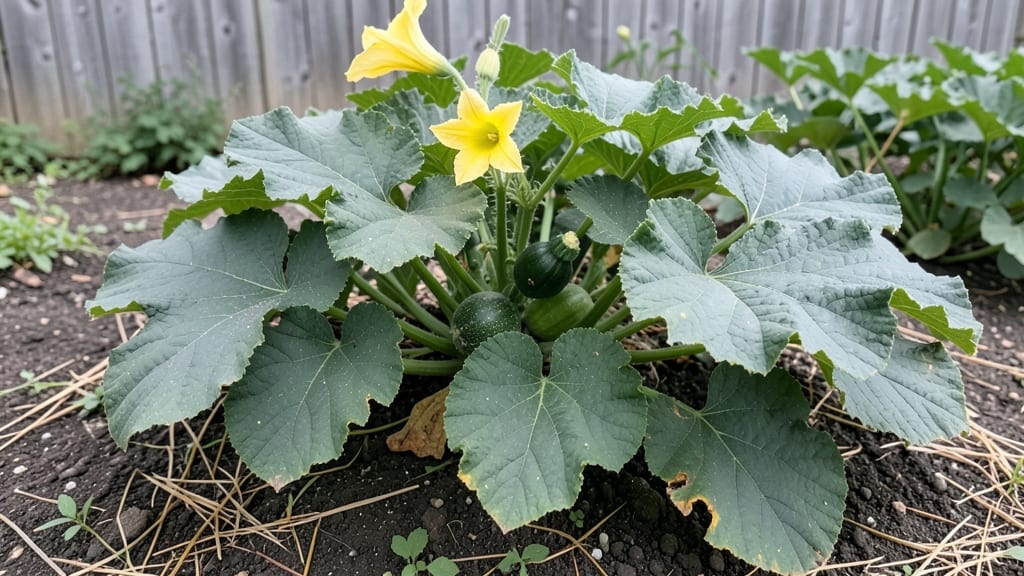
Bush squash plants thrive when paired with the right neighbors—this simple trick boosts yields by nearly 30% without extra work. 🌱 I learned the hard way that planting them alone leads to stunted growth and fewer fruits, but the right companions transform your patch into a productive powerhouse.
The secret lies in smart pairings: nasturtiums repel squash bugs, borage deters pests naturally, and marigolds improve soil health nearby. You’ll also need well-draining soil mixed with compost, consistent watering at the base (not overhead), and full sun for at least six hours daily.
Most varieties mature in 50-60 days, so timing your spring planting is key.
By late summer, you’ll harvest glossy, 3-5 pound squash straight from the vine, with plants that stay healthy and productive. The best part? These companion plants also protect against common pests like cucumber beetles and squash vine borers, cutting down on chemical sprays entirely.
Works for both backyard gardens and container setups—just scale the companion plants accordingly. Here’s how to get started without the guesswork.
📚 In This Guide
- What you need
- Instructions
- Tips and common mistakes
- Wrapping up and next steps
What you need
- ● Bush squash seeds – Choose varieties like Butternut, Acorn, or Zucchini (1–2 lbs for a standard garden plot).
- ● Companion plants (seeds/seedlings): Marigolds (6–10 plants) – Repel pests like squash bugs.
- ● Nasturtiums (10–15 plants) – Trap aphids and add color.
- ● Bush beans (1–2 lbs seeds) – Fix nitrogen in the soil.
- ● Radishes (½ lb seeds) – Act as trap crops for cucumber beetles.
- ● Well-draining soil – Test pH (aim for 6.0–6.8); amend with compost if needed.
- ● Garden space – 3–5 ft rows per squash plant (bush varieties are compact!).
- ● Organic mulch – Straw or shredded leaves (2–3 inches) to retain moisture.
- ● Watering can or hose with soaker nozzle – Consistent moisture is key!
- ● Garden gloves & trowel – For planting and maintenance.
- ● Diatomaceous earth – Sprinkle lightly around plants to deter pests.
- ● Fish emulsion or compost tea – Boosts growth (apply every 2–3 weeks).
- ● Row covers (floating fabric) – Protects young plants from pests.
- ● Trellis or stakes – For vining companions like cucumbers (if adding them).
- ● Plant markers – Label varieties to track growth stages.
Step-by-step instructions for planting bush squash with companion plants
Here's how to maximize your harvest by pairing bush squash with the right neighbors.
🌱 Step 1: Choose and Prepare Your Planting Site
Bush squash thrives in full sun—select a spot that gets at least 6-8 hours of direct sunlight daily. The soil should be well-draining and rich in organic matter, with a pH between 6.0 and 7.0. Work in a 2-3 inch layer of compost before planting to improve fertility and moisture retention. Avoid planting where cucurbits (squash, pumpkins, melons) grew last year to prevent disease buildup.
I always test the soil moisture before planting—stick your finger 2 inches deep. If it feels dry, water the area thoroughly 24 hours before planting to give roots a head start. Bush squash roots spread wide but stay shallow, so till the top 12 inches of soil to loosen it without disturbing deeper layers.
🌿 Step 2: Plant Bush Squash and Companion Plants Together
Space bush squash plants 3-4 feet apart in rows 4-5 feet apart to allow airflow and prevent disease. Plant seeds 1 inch deep—they germinate best in 70-90°F soil, so wait until all danger of frost has passed. I like to plant companion herbs like bush beans or nasturtiums around the edges of the squash patch. These companions deter pests naturally while improving flavor and yield.
For every 4 bush squash plants, add 2-3 nasturtium plants at the perimeter—they repel squash bugs and cucumber beetles. Plant marigolds between rows to attract predatory insects that keep pest populations in check. Water the area gently after planting to settle the soil around the seeds without disturbing them.
💧 Step 3: Maintain Moisture and Mulch for Optimal Growth
Keep the soil consistently moist—1 inch of water per week—but avoid overhead watering after seedlings emerge to prevent fungal diseases. I use a soaker hose or drip irrigation to deliver water directly to the roots. Mulch with 2-3 inches of straw or shredded leaves to retain moisture, suppress weeds, and keep fruits clean and disease-free.
Watch for first true leaves—they’ll appear in 7-10 days under ideal conditions. Once they do, thin seedlings to the strongest plant per hill, cutting weaker ones at the base with scissors. This prevents competition and gives remaining plants room to thrive. Fertilize lightly with a balanced organic fertilizer when vines start spreading.
✂️ Step 4: Monitor and Adjust Companion Plantings
Check plants weekly for pests like squash vine borers or aphids. If you spot yellowing leaves or chewed vines, increase the density of your pest-repelling companions—add more nasturtiums or basil near affected plants. Prune any diseased leaves immediately and remove them from the garden to prevent spread.
Harvest squash when they reach full size—typically 45-55 days after planting—but before the skin toughens. Use a sharp knife to cut stems, leaving a small portion attached to avoid damaging the plant. After harvest, replace spent companion plants with radishes or lettuce, which grow well in the remaining space and benefit from the improved soil.
🌿 Step 5: Extend the Season with Smart Companion Rotations
As your squash plants finish producing, rotate in fall crops like kale or spinach to make the most of your garden space. These cool-season companions won’t compete with squash and add nutrients back to the soil as they grow. I also interplant garlic around the perimeter—its strong scent deters pests and lingers in the soil to protect next year’s plants.
Before the first frost, pull up any remaining squash vines and compost them (unless diseased). Add a fresh layer of compost to the bed and cover with mulch to protect soil structure over winter. This sets your garden up for even better companion pairings next season.
Tips & tricks for perfect bush squash companion planting
Here's what I've learned after years of experimenting with bush squash—these tricks will help you avoid common pitfalls and maximize your harvest.
Soil Prep Secret: The 24 hours before planting is your chance to create the perfect foundation. I take this time to add a handful of egg shells (crushed) to the planting area—they add calcium that prevents blossom end rot in your squash. Also, if your soil is sandy, mix in a little extra compost (up to 3 inches) to help retain moisture during those hot summer days.
Companion Planting Ratio: When planting your 4 bush squash plants with 2-3 nasturtiums, place the nasturtiums on the north side of each squash plant. This positioning creates a natural windbreak that protects young seedlings while the nasturtiums' peppery scent deters pests. I also space my marigolds in a checkerboard pattern between rows—they attract beneficial insects that keep squash bugs at bay.
Watering Wisdom: That 1 inch of water per week guideline works perfectly, but timing matters just as much. I water in the early morning so leaves have time to dry completely before evening. This simple habit prevents powdery mildew, which can devastate your crop. For the first 10 days after planting, I check soil moisture daily—new seedlings need consistent moisture to establish their roots.
Harvest Timing: The 45-55 day window for harvest is perfect, but don't wait until the very end! I start checking squash when they reach about 60% of their mature size—this gives you a better chance to harvest at peak flavor. Use a sharp knife to cut stems, leaving about 1 inch attached. This small stem connection helps prevent rot while the squash continues to mature on the vine.
Pro Tips for Bush Squash Plants
- Here's what I've learned after years of experimenting with bush squash—these tricks will help you avoid common pitfalls and maximize your harvest.
- Soil Prep Secret: The 24 hours before planting is your chance to create the perfect foundation.
- Companion Planting Ratio: When planting your 4 bush squash plants with 2-3 nasturtiums, place the nasturtiums on the north side of each squash plant.
Frequently asked questions
Got questions about growing bush squash plants? You’re not alone! Here are some of the most common queries—plus straightforward answers to help you grow like a pro.
What are the best companion plants for bush squash?
Bush squash thrives with marigolds (they repel pests!), basil (boosts flavor), and corn (provides shade). Avoid planting near potatoes or fennel, as they stunt growth. Stick to the "Three Sisters" trio—squash, corn, and beans—for a win-win combo!
How long does it take for bush squash to produce fruit?
Most bush squash varieties mature in 45–55 days after transplanting, depending on the type (e.g., zucchini vs. pattypan). Warm soil (60°F+) and consistent watering speed up the process. Pro tip: Watch for male flowers first—they appear before female blooms (look for tiny squash behind the flower!).
Why are my bush squash leaves turning yellow?
Yellow leaves usually signal overwatering, nutrient deficiency (like nitrogen), or powdery mildew. Check soil moisture—squash prefers 1–2 inches of water per week. For mildew, space plants for airflow and spray with a baking soda mix (1 tbsp per gallon of water).
Can bush squash grow in containers?
Use a 5-gallon container (minimum) with drainage holes and well-draining soil. Dwarf varieties like ‘Eight Ball’ zucchini are perfect for pots. Place containers in full sun (6+ hours) and fertilize every 2–3 weeks. Just avoid overcrowding—one plant per container works best!
What’s the difference between bush and vining squash?
Bush squash stays compact (2–3 feet tall) and produces fruit on a single stem, while vining types (like butternut) sprawl 10+ feet and need trellises. Bush varieties are ideal for small gardens or containers. Swap tip: Try ‘Bush Delicata’ for a no-fuss, high-yield option!
Wrapping up and next steps
Growing bush squash plants alongside the right companions can transform your garden into a thriving, high-yielding ecosystem! 🌱 From deterring pests to boosting flavor and productivity, these companion planting secrets make gardening easier—and more rewarding.
Whether you're a seasoned grower or just starting out, the key is to observe, adapt, and experiment with what works best in your space.
Ready to put these tips into action? Start small this season—plant a few bush squash companions like marigolds or nasturtiums—and watch your harvest flourish! 🌟 Next, take notes on what thrives in your garden, then expand your companion plantings year after year. Happy gardening!