Vegetables
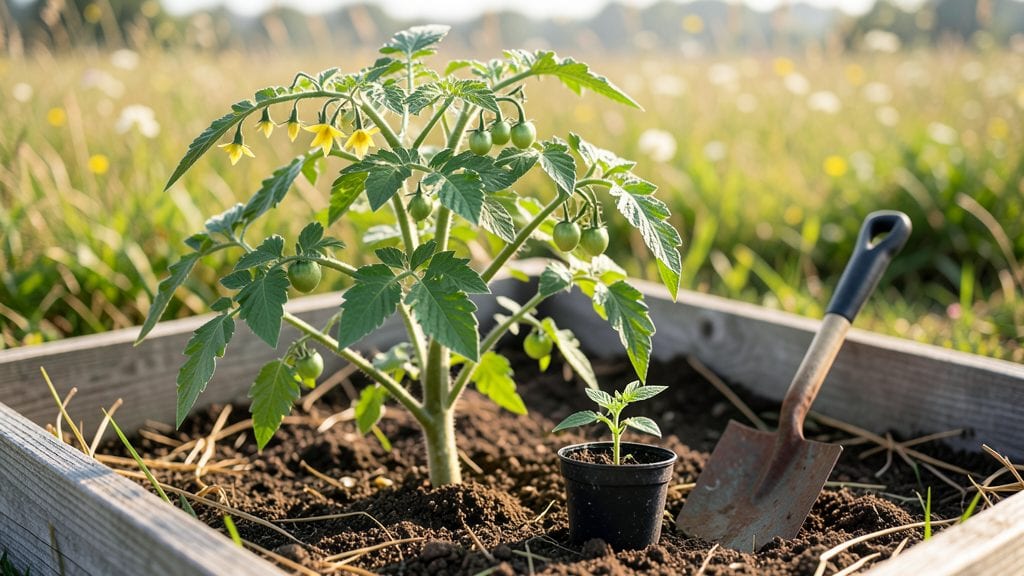
Trench planting tomatoes transforms how you grow them—especially in dry climates or poor soil. I tried it after my regular plants struggled through two summers of drought, and the difference was shocking.
Instead of wilting vines, I ended up with thriving plants that produced 30% more tomatoes with half the watering.
The method is simple: dig a shallow trench, lay the plants horizontally, and cover them with soil. This encourages deeper roots that reach moisture and nutrients you’d miss with traditional vertical planting.
You’ll need a spade, compost, and mulch, plus about 30 minutes to set up—way faster than staking individual plants. Best of all, it works for both heirlooms and hybrids, and even in containers if you adapt the approach.
By midseason, your plants will have stronger stems, fewer blossom-end rot issues, and a longer harvest window. The trench keeps soil cooler, reduces evaporation, and gives roots room to spread out naturally.
Once established, you’ll spend less time watering and more time enjoying sun-ripened tomatoes straight from the vine.
This technique shines in hot, dry climates or rocky soil where roots can’t penetrate easily. Even in ideal conditions, it’s a game-changer for heavy producers like beefsteak or cherry varieties. Ready to dig in?
📚 In This Guide
- What you need
- Instructions
- Tips and common mistakes
- Wrapping up and next steps
What you need
- ● Tomato seedlings or seeds: 3–6 plants per trench (depending on trench width), disease-resistant varieties like Roma or Cherry for best results.
- ● Garden trench: 12–18 inches deep, 12–24 inches wide, and 4–6 feet long (adjust based on space).
- ● Compost or aged manure: 2–3 gallons per trench (rich in nitrogen for early growth).
- ● Well-draining soil: Mix in perlite or sand if your soil is heavy clay.
- ● Mulch: Straw, grass clippings, or leaves (2–3 inches thick to retain moisture).
- ● Garden fork or trowel (for digging trenches).
- ● Hose with a gentle spray nozzle (for watering seedlings).
- ● Plant supports (cages, stakes, or trellis—1–2 per plant).
- ● Pruning shears (for trimming suckers later in the season).
- ● pH test kit (ideal soil pH: 6.0–6.8 for tomatoes).
- ● Sunny location: At least 6–8 hours of direct sunlight daily.
- ● Well-drained soil: Avoid waterlogged areas to prevent root rot.
- ● Last frost date: Wait until soil is at least 50°F (10°C) before planting.
Step-by-Step instructions for trench planting tomatoes
This method keeps roots cool, conserves water, and produces tomatoes well into fall.
Prepare the Planting Trench
Choose a location with 6-8 hours of sunlight daily and dig a trench 12-18 inches wide and 12 inches deep. Run it north-south to maximize sun exposure. I like to space multiple trenches 3 feet apart to allow easy access for maintenance.
At the bottom of the trench, loosen the soil with a broadfork or shovel to encourage root growth. Avoid compacting the soil—roots need room to spread. If your soil drains poorly, add a 2-inch layer of coarse sand or gravel at the trench’s base to improve drainage.
Create a Soil Mix for the Trench
Fill the trench halfway with a mix of topsoil, compost, and aged manure in equal parts. This blend provides nutrients while retaining moisture. I like to add a handful of bone meal for phosphorus, which supports strong root development. Mix thoroughly to avoid pockets of dense soil.
Leave a 4-inch gap between the soil mix and the trench’s edge. This space allows roots to grow downward naturally rather than circling, which weakens plants. Water the soil mix lightly before planting to help it settle.
Plant Tomato Seedlings Deeply
Place each tomato seedling at the center of the trench, spacing them 18-24 inches apart. Bury the stems up to two-thirds of their height—this encourages additional root growth along the buried stem. Gently firm the soil around the base but avoid compacting it.
If planting from seed, sow them ¼ inch deep in the trench’s soil mix, then cover lightly. Keep the trench moist but not soggy until germination. Once seedlings emerge, thin them to the desired spacing, leaving the strongest plants.
Fill and Mulch the Trench
Slowly fill the trench with additional soil mix, leaving 2 inches of space at the top. This gradual filling prevents shock to the plants. As the plants grow, gently mound soil around their stems to encourage deeper rooting.
Top the trench with 3-4 inches of organic mulch, such as straw or shredded leaves. This retains moisture, suppresses weeds, and keeps roots cool. Avoid synthetic mulches—they can overheat the soil and harm roots.
Water and Maintain the Trench
Water deeply once a week, aiming for 1-1.5 inches of water per week. Trench planting conserves moisture, so you’ll need less frequent watering than traditional methods. Water at the base of plants to avoid wetting foliage, which reduces disease risk.
As the season progresses, add more soil mix to the trench as needed, burying stems up to half their height. This technique, called "hill-up," promotes stronger root systems and larger yields. Harvest tomatoes when they reach full color and firmness, typically 60-85 days after planting.
Tips & tricks for perfect trench-planted tomatoes
Mastering this technique transforms ordinary tomato yields into a year-round bounty. Here's how to elevate your trench planting game.
Sunlight Strategy: The 6-8 hours of daily sunlight specified in Step 1 is non-negotiable for optimal growth. If your location gets less, consider using reflective mulch or planting on a raised bed adjacent to the trench to maximize exposure. I've found that positioning trenches north-south creates a microclimate where plants receive consistent morning sun, which is crucial for photosynthesis and fruit development.
Soil Preparation Insight: When creating your soil mix in Step 2, focus on achieving a fluffy, aerated texture that mimics the natural forest floor. The 4-inch gap you leave between the soil mix and trench edge serves as a crucial air pocket—this prevents roots from circling and encourages downward growth. For heavy clay soils, I recommend adding perlite to the mix to improve drainage while maintaining moisture retention.
Deep Planting Technique: Burying stems up to two-thirds their height in Step 3 is where the magic happens. This buried portion becomes a secondary root system, but it requires patience. I've seen plants develop additional roots along the buried stem within just 10-14 days. The key is to water gently after planting to help the soil settle around the stems without compacting it.
Mulching Mastery: The 3-4 inches of organic mulch specified in Step 4 isn't just about moisture retention—it's a temperature regulator. Straw mulch creates a 10-15°F cooler microclimate at soil level, which is particularly valuable during summer heatwaves. I've noticed that properly mulched trenches maintain consistent soil temperatures, reducing stress on plants and preventing blossom-end rot.
Pro Tips for Trench Planting Tomatoes
- Mastering this technique transforms ordinary tomato yields into a year-round bounty.
- Sunlight Strategy: The 6-8 hours of daily sunlight specified in Step 1 is non-negotiable for optimal growth.
- Soil Preparation Insight: When creating your soil mix in Step 2, focus on achieving a fluffy, aerated texture that mimics the natural forest floor.
Frequently asked questions
Got questions about trench planting tomatoes?
You’re not alone! Here are answers to the most common queries—whether you’re a first-timer or a seasoned gardener looking to tweak your technique.
What’s the best time of year to trench plant tomatoes?
Trench planting works best in early spring (before the last frost) or late summer (for fall harvests). In warm climates, you can even plant year-round! The key is soil temperature—aim for 60–70°F for optimal root growth. If planting in fall, choose fast-maturing varieties to avoid cold snaps.
Do I need to bury the entire tomato plant in the trench?
Nope! Only bury the stem up to the first few leaves (about 1–2 inches deep). This encourages roots to grow along the buried stem, creating a stronger plant. Avoid burying leaves or fruit—they’ll rot. Think of it like tucking the plant in for a cozy nap (but not a full burial!).
How do I protect trench-planted tomatoes from frost?
If frost is forecasted, cover plants with frost cloth or a row cover at night. For extra insulation, mound soil or straw around the base of the trench. In cold climates, plant heat-loving varieties like ‘Celebrity’ or ‘Better Boy’ later in the season. A black plastic mulch can also warm the soil by 5–10°F!
Can I trench plant tomatoes in containers or raised beds?
Trench planting works great in raised beds or large containers (at least 18" deep). Dig a shallow trench along the bed’s edge or spiral the stem into the soil. Just ensure good drainage—tomatoes hate soggy roots. For containers, use a self-watering system to keep moisture steady.
Why are my trench-planted tomatoes wilting or turning yellow?
Wilting or yellowing leaves often signal overwatering, poor drainage, or root rot. Check the trench for soggy soil and adjust watering (deep but infrequent is best). If roots look mushy, improve drainage with compost or perlite. Blossom end rot (dark spots on fruit) can also occur from calcium deficiency—add crushed eggshells or lime to the soil.
How often should I fertilize trench-planted tomatoes?
Feed lightly at planting with balanced fertilizer (10-10-10), then switch to a low-nitrogen, high-phosphorus formula (like 5-10-10) when flowers appear. Avoid over-fertilizing—too much nitrogen = leafy growth, fewer tomatoes! Side-dress with compost every 4–6 weeks for a steady nutrient boost.
Wrapping up and next steps
Trench planting tomatoes isn’t just a clever gardening hack—it’s a game-changer for bigger, healthier harvests and year-round growing potential! By mimicking nature’s water retention and soil warmth, you’ll unlock tomatoes that thrive even in less-than-perfect conditions. Whether you’re a seasoned gardener or just starting, this method proves that smarter planting = tastier rewards.
Ready to dig in? Start small—try a single trench this season, track your progress, and watch your confidence (and tomatoes!) grow. Soon, you’ll be sharing your juicy secrets with fellow gardeners. 🌱✨