
Companion Plants
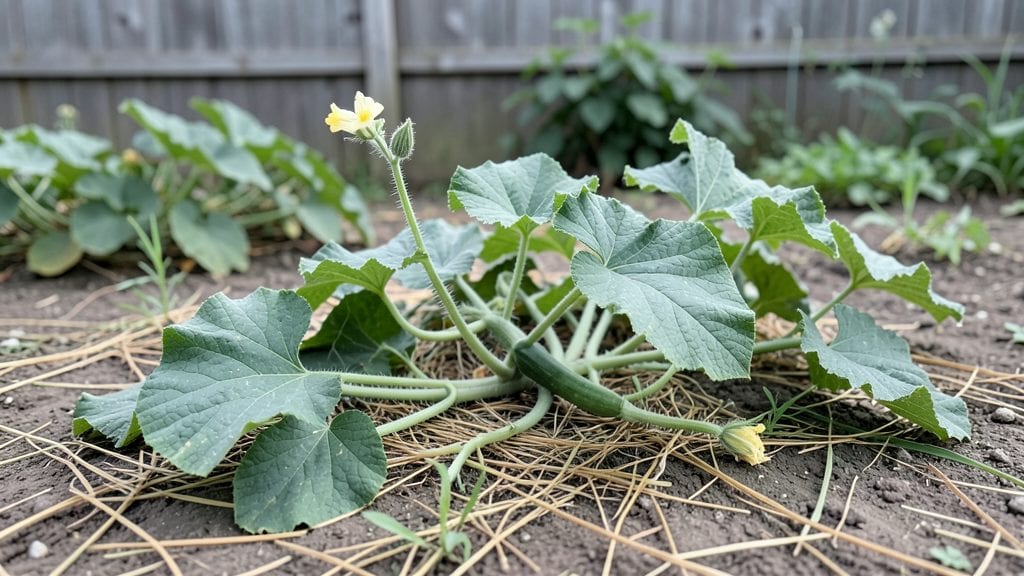
Thinning cucumber plants isn't cruel—it's the secret to stronger vines and more fruit. I learned this after watching my first crop struggle with weak stems and stunted growth, all because I didn't make room for them to breathe.
The right spacing gives each plant the energy to send out bushier vines and produce bigger cucumbers, not just a few sad, undersized ones.
You'll need sharp scissors or your fingers, a sunny day (but not scorching hot), and a little patience. Start when seedlings have at least two true leaves and are about 4 inches tall.
Space them 12 to 24 inches apart, depending on your cucumber variety—bush types need less room, while vining varieties stretch out more. Snip or gently pull the extras at the base, leaving the strongest stem standing.
After thinning, give your plants a deep drink of water to help them recover. Add trellis supports if you haven’t already—this keeps vines off the ground, improves air circulation, and makes harvesting easier.
Keep an eye on them for the next few days; you might see new leaves popping out within a week, signaling they’re putting energy where it counts.
This works for both bush and vining cucumbers, whether you're growing in rows, hills, or containers. The key is consistency—don’t wait too long, and don’t thin too aggressively. Your plants will thank you with a harvest that puts store-bought cucumbers to shame.
📚 In This Guide
- What you need
- Instructions
- Tips and common mistakes
- Wrapping up and next steps
What you need
- ● Healthy cucumber seedlings or seeds: Choose disease-resistant varieties like Straight Eight or Marketmore if starting from scratch.
- ● Pruning shears or sharp scissors: Sterilize with rubbing alcohol before use to prevent disease spread.
- ○ Gloves (optional but recommended): Protects hands from thorns and sap.
- ● Support structure: Trellis or stakes: 6–8 ft tall (for climbing varieties).
- ● Cucumber cages: 3–4 ft tall (for bush types).
- ● Balanced fertilizer (5-5-5 or 10-10-10): 1 tbsp per plant at transplanting + monthly.
- ● Mulch (straw or black plastic): Retains moisture and suppresses weeds.
- ● Watering can or hose with gentle nozzle: Avoid blasting stems.
- ● Grow lights or sunlight meter: Ensure 6–8 hours of sunlight daily.
- ● Plant ties or soft twine: Secures vines to trellises gently.
- ● Compost or worm castings: Boosts soil health for nutrient uptake.
- ● Fungicide (copper-based): Preemptive measure for powdery mildew.
How to thin cucumber plants for healthier growth and higher yields
Thinning cucumbers isn’t about removing plants—it’s about redirecting energy where it matters most.
Wait Until Seedlings Have Strong True Leaves
Don’t rush thinning until your cucumber seedlings have developed their first true leaves—those are the deep green, mature leaves that come after the initial seed leaves. This usually happens about 1-2 weeks after germination, depending on warmth and light. If you thin too early, you risk damaging delicate stems that haven’t strengthened yet.
I like to work on a clear morning when the soil is slightly damp but not wet—this makes the plants easier to handle without pulling up too much surrounding soil. Gently grasp the thinnest seedling at its base, just above the soil line, and give it a firm but careful tug. The goal is to remove the entire plant, roots and all, without disturbing the ones you’re keeping.
Space Plants According to Variety Needs
Cucumber spacing varies by type, but most bush varieties need about 2-3 feet apart, while vining types should have 4-6 feet between plants. Check your seed packet for exact recommendations—overcrowding leads to poor air circulation, which invites fungal diseases like powdery mildew.
If you’re growing in rows, leave 3-4 feet between rows to allow for easy movement and future harvesting. I often mark my spacing with small wooden stakes or even bent wire flags to avoid guesswork later. After thinning, give the remaining plants a light watering to help them recover from the shock of their siblings’ removal.
Prune Laterals for Bushier Growth (Optional)
Once your cucumber plants are established and climbing, you can encourage bushier growth by pruning side shoots that form in the leaf axils. These lateral shoots compete with the main vine for energy, so removing them redirects resources to fruit production. Use clean, sharp pruning shears to snip these shoots just above a leaf node.
I focus on removing laterals that are less than 6 inches long—these are the most competitive. Leave the larger, more mature laterals if you want extra vines for trellising or additional fruit. This step is especially useful if your cucumbers are growing leggy or producing small, underdeveloped fruits.
Monitor and Thin Flowers for Bigger Harvests
When cucumbers start flowering, you’ll notice clusters of both male and female blooms. Female flowers (the ones with tiny cucumbers at their base) need more energy to develop, so I thin out excess male flowers to ensure the female flowers get the nutrients they need. Simply pinch off the male blooms with your fingers—no tools required.
If you see a cluster with more than 3 female flowers, thin it down to just the strongest one or two. This prevents overburdening the plant and encourages larger, healthier cucumbers. Watch for signs of stress like yellowing leaves or dropped blooms—these are your cues to adjust thinning frequency.
Maintain Airflow and Repeat as Needed
Thinning isn’t a one-time task—it’s an ongoing process. As your cucumber plants grow, new shoots will emerge, and you’ll need to repeat the spacing and pruning steps every 2-3 weeks during the growing season. Focus on keeping the strongest, healthiest stems and removing any that look weak, diseased, or overly competitive.
Regular thinning also improves airflow, which is critical for preventing fungal issues. I make it a habit to inspect my plants every time I water or harvest, so I catch any new growth that needs attention. With consistent care, your cucumbers will reward you with bushier vines, more flowers, and bigger harvests all season long.
Tips & tricks for perfect cucumber plant thinning
A few simple strategies can transform your cucumber plants from struggling seedlings to productive powerhouses. Here's what I've learned after years of trial and error in the garden.
Timing is Everything: The 1-2 week wait for true leaves in Step 1 is non-negotiable. I've made the mistake of thinning too early, and those delicate stems simply can't recover. Look for those deep green, mature leaves—they're your signal that the plants are ready. If you're unsure, wait an extra day or two. The extra patience pays off with stronger plants that can better handle the thinning process.
Visual Cues for Spacing: When spacing your plants in Step 2, imagine your hand as a guide. For bush varieties, your outstretched fingers (about 2-3 feet) should fit comfortably between plants. For vining types, you'll need the full span from thumb to pinky (4-6 feet). I've found that using small wooden stakes to mark these distances prevents overcrowding and makes future maintenance much easier. This simple visual trick has saved me from fungal issues that ruined entire crops in the past.
Pruning Strategy: In Step 3, focus on those side shoots that are less than 6 inches long—they're the real energy vampires. I use clean pruning shears and make my cuts just above a leaf node to encourage new growth from that point. This technique has given me noticeably bushier plants with larger fruits. Remember, you're not just pruning—you're directing the plant's energy where you want it to go.
Flower Thinning Insight: When you're monitoring flowers in Step 4, pay close attention to the tiny cucumbers at the base of female flowers. These are your future harvest, so give them the best chance by removing excess male flowers. I've found that keeping clusters to just 2-3 female flowers prevents overburdening and results in cucumbers that are 20-30% larger than when I didn't thin flowers at all.
Pro Tips for Thin Cucumber Plants
- A few simple strategies can transform your cucumber plants from struggling seedlings to productive powerhouses.
- Timing is Everything: The 1-2 week wait for true leaves in Step 1 is non-negotiable.
- Visual Cues for Spacing: When spacing your plants in Step 2, imagine your hand as a guide.
Frequently asked questions
Got questions about reviving your thin cucumber plants? You’re not alone!
Here are answers to the most common concerns—plus quick fixes to get those vines thriving again.
Why are my cucumber plants so thin and leggy?
Leggy cucumber plants usually mean they’re stretching for light. This happens when seedlings are too crowded, planted too deep, or not getting enough sunlight. Fix it fast: Thin seedlings to 12–24 inches apart, ensure 6+ hours of direct sun daily, and consider a small shade cloth if temps soar above 90°F.
How long does it take for pruned cucumber plants to recover?
With proper care, pruned vines show new growth in 3–7 days. Focus on watering deeply (1–2 inches per week) and fertilizing lightly with compost tea or balanced fertilizer. Avoid over-pruning—remove only one-third of the plant at a time to minimize stress.
Can I still harvest cucumbers if I prune now?
Yes! Pruning actually boosts fruit production by redirecting energy. Harvest existing cucumbers first, then prune healthy vines (not diseased ones). Expect a 2–4 week delay in new harvests, but the long-term yield will be worth it!
What’s the best alternative if my cucumbers refuse to bush out?
Try these low-maintenance swaps for bushier harvests:
- Bush cucumber varieties (e.g., ‘Bush Champion’ or ‘Spacemaster’)—compact, no trellis needed!
- Zucchini or summer squash—similar care, but more forgiving of thin growth.
- Trellis training for vining types (like ‘Straight Eight’) to encourage upward growth.
My cucumber leaves are yellow and thin—is it pruning time or a disease?
Yellow leaves could signal overwatering, nutrient deficiency, or powdery mildew. First, check soil moisture (it should be damp, not soggy). If mildew is present (white powdery spots), prune affected leaves immediately and spray with neem oil. Wait to prune if the issue is pests or poor drainage.
Pro tip: Tag your plants! Label vines with harvest dates to track growth progress and pruning effects.
Wrapping up and next steps
If your cucumber plants are looking sparse, remember: pruning is your secret weapon! 🌱 By trimming wisely and supporting your vines, you’ll encourage bushier growth and a bountiful harvest. Start small, observe your plants, and adjust as needed—your garden will thank you!
Ready to transform your thin cucumbers into thriving vines? Grab your pruners and get growing! 🌿 Next, experiment with companion plants like beans or radishes to boost health and productivity—your future harvests will be the talk of the neighborhood!