
Plants
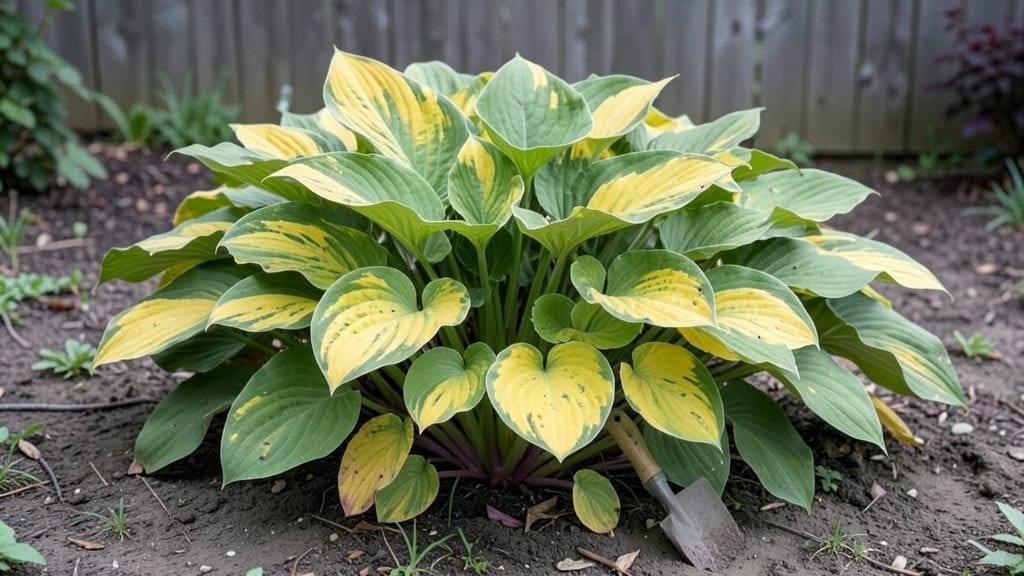
Yellow leaves on hosta plants don’t mean your garden is doomed—they’re usually fixable. 🌿 I’ve nursed back more hostas than I can count, and the key is spotting the real cause before it spreads.
Overwatering, fungal blight, or even too much sun can turn those lush leaves into sad, yellow messes.
The good news? Most issues respond to simple fixes like adjusting watering, improving drainage, or applying organic fungicides. I’ll walk you through how to diagnose the problem fast—whether it’s soggy soil, leaf spot, or slug damage—so you can save your plants before they’re beyond help.
By the end, your hostas will be thriving again with deep green leaves and those signature variegated patterns. No more guessing: just clear steps to bring them back to life, no matter what’s causing the yellowing.
This works for both shady and partially sunny spots, so no matter where your hostas live, you’ll have a plan. Let’s get those leaves looking healthy again!
Root Causes Behind Leaf Discoloration
When your Hosta plants start showing yellow leaves, it’s often a cry for help from the plant itself. Understanding the underlying triggers is the first step to restoring their vibrant green glory.
Below, we break down the most common—and sometimes surprising—reasons why your Hosta leaves turn yellow, along with the science behind each issue.
Hostas are heavy feeders, and when they don’t get the right nutrients, their leaves send up a yellow flag. The most common deficiencies include:
- Nitrogen (N) Deficiency:
Yellowing starts on older leaves first (a process called chlorosis) because nitrogen is mobile in the plant—it gets shuttled to new growth when supplies run low. Hostas need nitrogen for lush, green foliage, and a lack of it often means pale or yellowing leaves with dark green veins. Fix: Apply a balanced organic fertilizer (like compost or fish emulsion) rich in nitrogen.
- Magnesium (Mg) Deficiency:
Yellowing appears between the veins of older leaves, creating a mottled or interveinal chlorosis pattern. Magnesium is a key component of chlorophyll, and without it, leaves can’t produce enough of the green pigment. Fix: Add Epsom salt (magnesium sulfate) to the soil or use a magnesium-rich fertilizer.
- Iron (Fe) Deficiency:
Younger leaves turn pale yellow or white (a condition called limbe leaf), while veins remain green. Iron is essential for chlorophyll production, and Hostas struggle to access it in alkaline or compacted soils. Fix: Apply chelated iron or use organic amendments like sulfur to acidify the soil slightly.
💡 Pro Tip: Conduct a simple soil test to pinpoint deficiencies before guessing. Many garden centers offer DIY test kits!
Water plays a critical role in Hosta health, and imbalances can trigger yellowing leaves. Here’s how:
- Overwatering or Poor Drainage:
Yellow leaves paired with soggy soil or mushy stems are red flags for root rot, often caused by Phytophthora or Pythium fungi. These pathogens thrive in waterlogged conditions, suffocating roots and cutting off nutrient flow. Fix:
- Ensure pots or garden beds have adequate drainage (raise containers, amend clay soil with compost).
- Water only when the top 1-2 inches of soil are dry.
- Apply mulch to retain moisture without drowning roots.
- Underwatering or Drought Stress:
Leaves may yellow and curl at the edges as the plant conserves water. Chronic drought weakens the plant, making it susceptible to pests or disease. Fix:
- Water deeply 1-2 times per week (more in extreme heat).
- Use drip irrigation or soaker hoses to deliver water directly to roots.
- Mulch with straw or wood chips to retain soil moisture.
🌡️ Watch for: Yellowing that’s even across the leaf (not just edges) may signal overwatering, while crispy, brown edges point to underwatering.
Fungal diseases are a leading cause of yellowing in Hostas, often accompanied by spots, lesions, or a slimy texture. The most notorious culprits include:
- Alternaria Leaf Spot:
Caused by the fungus Alternaria, this disease creates dark brown or yellow spots with concentric rings on leaves. Humid conditions and poor airflow encourage its spread. Fix:
- Remove and dispose of infected leaves immediately.
- Space plants 3-4 feet apart for better airflow.
- Apply neem oil or copper fungicide as a preventive spray.
- Anthracnose:
This fungal disease causes yellow, water-soaked spots that turn brown and crusty. It thrives in wet, shady conditions. Fix:
- Prune for air circulation and avoid overhead watering.
- Apply baking soda spray (1 tsp baking soda + 1 quart water + a drop of soap) every 2 weeks.
- Root Rot (Phytophthora/Pythium):
Yellowing leaves with blackened, mushy roots signal root rot. These fungi block nutrient uptake, causing leaves to yellow and wilt. Fix:
- Repot affected plants in sterile, well-draining soil.
- Apply hydrogen peroxide (3%) to soil to inhibit fungal growth.
- Ensure containers have drainage holes.
🔥 Warning: Fungal spores spread quickly—sterilize pruners with rubbing alcohol between cuts!
Sap-sucking pests like aphids, slugs, or spider mites weaken Hosta leaves, leading to yellowing, stunted growth, or holes. Here’s how they do it:
- Aphids:
These tiny green/black insects cluster on undersides of leaves, sucking sap and excreting sticky honeydew. Their feeding disrupts nutrient flow, causing leaves to yellow and curl. Fix:
- Blast them off with a strong spray of water.
- Introduce ladybugs or use insecticidal soap.
- Slugs and Snails:
These nocturnal munchers devour leaf edges, leaving irregular holes and yellowing trails. Fix:
-
<
Fixing yellowing Hosta leaves naturally
Yellow leaves on your hosta plants can be frustrating, but the good news is that most causes have simple, organic solutions—no harsh chemicals required! Below, we’ve mapped out practical fixes for each common trigger, along with prevention tips to keep your hostas lush and green.
Let’s get those leaves back to their vibrant best!
Signs: Soft, mushy leaves, yellowing from the bottom up, or a foul smell near the roots.
How to Fix It: 🔥 Step 1: Check the Soil – Stick your finger 1–2 inches into the soil. If it’s soggy, your hosta is getting too much water. 🍳 Step 2: Improve Drainage – Amend the soil with compost or perlite (10–20% of the mix) to help excess water drain away. 👨🍳 Step 3: Adjust Watering – Water only when the top 1–2 inches of soil are dry. Hostas prefer consistent moisture but hate soggy roots. ⏰ Step 4: Elevate if Needed – If your garden has heavy clay soil, consider planting hostas in raised beds or containers with drainage holes.
Prevention Tips: ✨ Mulch properly – Use 2–3 inches of organic mulch (like shredded bark) to retain moisture without suffocating roots. 💡 Avoid watering at night – Wet foliage overnight invites fungal issues (see next section!).
Signs: Yellowing with dark spots, powdery white growth, or slimy patches (especially in humid weather).
How to Fix It: 🔥 Step 1: Prune Infected Leaves – Snip off yellow or spotted leaves with sterilized scissors (wipe with rubbing alcohol between cuts). 🍳 Step 2: Apply Fungicide Sprays – Use organic options like:
- Neem oil spray (1 tbsp neem oil + 1 tsp mild soap + 1 quart water; spray every 7–10 days).
- Baking soda solution (1 tsp baking soda + 1 quart water + a drop of dish soap; spray undersides of leaves).
👨🍳 Step 3: Improve Airflow – Thin out nearby plants or space hostas 12–18 inches apart to reduce humidity. ⏰ Step 4: Water at the Base – Avoid overhead watering, which spreads spores like wildfire.
Prevention Tips: 🌡️ Water in the morning – Gives leaves time to dry before evening humidity sets in. 🎯 Rotate plants – If possible, move hostas to a sunnier spot (but not scorching direct sun) to boost natural defenses.
Signs: Bleached or crispy yellow edges, especially on leaves exposed to harsh afternoon sun.
How to Fix It: 🔥 Step 1: Provide Dappled Shade – Hostas thrive in partial shade (3–6 hours of morning sun). Use lattice screens or taller plants (like ferns) as natural shade. 🍳 Step 2: Mulch Heavily – A 3-inch layer of mulch keeps roots cool and retains moisture. 👨🍳 Step 3: Deep Water During Heatwaves – Water slowly and deeply (1–2 gallons per plant) early in the day. ⏰ Step 4: Mist Leaves (Temporarily) – On extreme heat days, lightly mist leaves in the early morning to reduce stress.
Prevention Tips: 💡 Choose the right variety – Some hostas (like Hosta sieboldiana) tolerate more sun than others. Pick based on your light conditions. ✨ Avoid transplant shock – If moving hostas, do it in spring or fall (not mid-summer heat).
Signs: Uniform yellowing (chlorosis)—often starting on older leaves—with veins staying green.
How to Fix It: 🔥 Step 1: Test Your Soil – A simple DIY test kit (or lab test) can confirm if your soil lacks nitrogen, iron, or magnesium. 🍳 Step 2: Add Organic Amendments –
- For nitrogen (general yellowing): Mix in compost or fish emulsion (follow package rates).
- For iron/chlorosis (yellow between veins): Sprinkle iron sulfate or chelated iron around the base (avoid direct contact with leaves).
👨🍳 Step 3: Use Epsom Salt (Magnesium Fix) – Dissolve 1 tbsp Epsom salt in a gallon of water and water the soil monthly in spring/summer. ⏰ Step 4: Avoid Over-Fertilizing – Too much fertilizer can burn roots. Stick to balanced organic fertilizer (like 5-5-5) in early spring.
Prevention Tips: 📊 Feed in stages – Apply half the recommended dose twice (e.g., spring and early summer) instead of one heavy dose. 💪 Rotate crops – If planting other perennials nearby, avoid heavy feeders (like tomatoes) that deplete soil nutrients.
Signs: Yellowing with holes, chewed edges, or wilting despite proper watering.
How to Fix It: 🔥 Step 1: Identify the Culprit – Common pests include:
- Slugs/snails (leave slime trails + holes).
- Deer/rabbits (clean, ragged edges).
- Grubs or voles (chewed roots + plant collapse).
🍳 Step 2: Manual Removal –
- Slugs/snails: Set out beer traps (bury a cup with beer) or copper tape around plants.
- Deer/rabbits: Use physical barriers (chicken wire) or repellent sprays (like hot pepper wax).
👨🍳 Step 3: Treat Roots – If grubs are suspected, apply beneficial nematodes (like Heterorhabditis bacteriophora) to the soil. ⏰ Step 4: Strengthen Plants – Healthy hostas resist pests better. Ensure they’re well-watered and fed.
Prevention Tips: 🎯 Plant deterrents – Surround hostas with marigolds, garlic, or thyme to repel pests naturally. 🔪 Remove debris – Piles of leaves or mulch attract slugs and grubs—keep the area tidy.
If you’re unsure which issue is causing yellowing, try this all-in-one refresh:
- Prune all yellow/damaged leaves.
- Loosen soil 2–3 inches deep to improve aeration.
- Add 1 inch of compost and mix lightly into the topsoil.
- Water deeply and mulch with straw or wood chips.
- Monitor for 2 weeks – New growth should emerge healthier!
Final Pro Tip: 💡 When in doubt, observe the pattern!
- Bottom-up yellow? → Likely overwatering or root rot.
- Top-down or spotted? → Probably fungal or sun stress.
- Uniform pale yellow? → Nutrient deficiency (especially nitrogen or iron).
Frequently asked questions
Why are my hosta leaves turning yellow in patches instead of all over?
Patchy yellowing often signals fungal infections like Alternaria leaf spot or Anthracnose. These diseases thrive in humid conditions and create distinct spotted patterns with brown or crusty edges. Remove infected leaves immediately and apply neem oil or a baking soda spray to prevent spread.
Can too much sun cause yellow leaves on hostas?
Yes! Hostas prefer partial shade (3-6 hours of morning sun). Too much direct sunlight—especially harsh afternoon rays—can scorch leaves, causing crispy yellow edges or bleached patches. Move plants to dappled shade or use shade cloth (30-50%) to protect them during peak sun.
How do I know if my hosta's yellow leaves are from overwatering vs. underwatering?
Check the soil and leaf texture: Overwatered hostas have soggy soil, yellowing from the bottom up, and mushy stems. Underwatered plants show crispy yellow/brown edges and dry soil. Water only when the top 1-2 inches of soil are dry, and ensure proper drainage.
Will Epsom salt fix all yellow leaves on hostas?
No—Epsom salt (magnesium sulfate) only helps with magnesium deficiency, which causes yellowing between veins on older leaves. For other issues like nitrogen deficiency (uniform yellowing) or fungal diseases, you'll need compost or fungicides instead. Test your soil first!
Are slugs the only pests that cause yellow hosta leaves?
No! While slugs leave irregular holes, other pests like aphids (tiny green/black insects) and spider mites suck sap, causing leaves to yellow, curl, or develop sticky residue. Check leaf undersides for pests—use insecticidal soap or introduce beneficial insects like ladybugs.