Trees
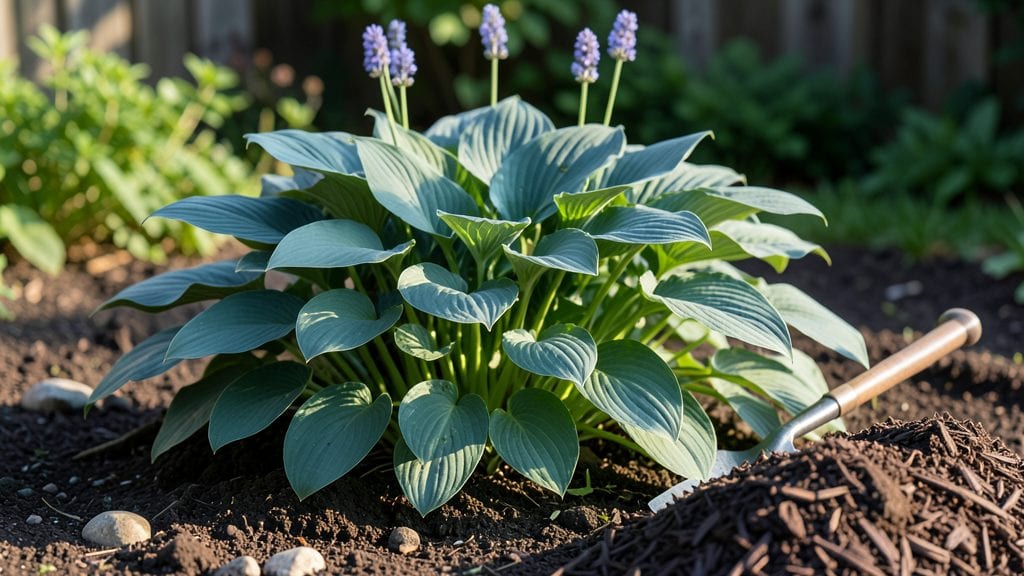
Planting hostas under oak trees turns your shady yard into a lush, low-maintenance garden spot. 🌿 I've learned the hard way that hostas actually thrive where most plants struggle—under those towering oaks that cast deep shade all day.
The key isn't fighting the shade; it's working with it by choosing the right varieties and preparing the soil properly.
Hostas love the cool, damp conditions under oaks, but they need protection from oak roots and that pesky allelopathy—the natural chemicals trees release that stunt plant growth.
Start by loosening the soil 12 inches deep, mixing in 2-3 inches of compost, and adding a thick layer of mulch to block those root competitors. The right hosta varieties like 'Blue Angel' or 'Patriot' will reward you with bold foliage where nothing else grows.
Within a few weeks, you'll see new growth pushing through the mulch, and by next spring, your hostas will be the star of the shade garden. The plants stay vibrant all season, their leaves developing stunning colors from the filtered sunlight.
Plus, you avoid the summer wilting that plagues sun-loving plants in these conditions.
This method works for any oak-shaded area, whether it's a small yard or a large woodland garden. The secret is patience—hostas grow slowly but steadily, becoming more robust each year. Let's get those hostas planted where they belong!
📚 In This Guide
- What you need
- Instructions
- Tips and common mistakes
- Wrapping up and next steps
What you need
- ● Hostas: 3–5 mature plants (varies by desired coverage; choose Ginko Craig, Francee, or Blue Angel for oak-shade tolerance).
- ● High-quality garden soil: 2–3 cubic yards (amend with 50% compost or peat moss to improve drainage and acidity).
- ● Organic mulch: 2–3 inches of pine needles, shredded bark, or leaf mold (acidifying and moisture-retaining).
- ● Garden gloves: 1 pair (nitrile-coated for durability).
- ● Hand trowel or transplant spade: 1 (6–8" wide for easy digging).
- ● Pruners: 1 pair (bypass pruners for trimming oak roots if needed).
- ● Garden hose or watering can: With a fine rose nozzle for gentle watering.
- ● pH testing kit: Digital or liquid test kit to confirm soil acidity (aim for 5.5–6.5).
- ○ Aluminum sulfate or sulfur: 1–2 lbs (optional but helpful if soil pH is >6.5).
- ● Root stimulator: Mycorrhizal fungi or liquid rooting hormone to boost survival.
- ● Slow-release fertilizer: 10-10-10 or acid-loving plant blend (apply lightly post-planting).
- ● Landscape fabric: 1 roll (to suppress weeds while allowing water/mulch to penetrate).
- ● Oak leaf rake: For clearing debris and aerating soil before planting.
- ● Stakes or plant tags: To mark hosta varieties and planting dates.
Instructions for planting hostas under oak trees
Here's how to create a lush, low-maintenance shade garden where hostas will thrive.
🌱 Step 1: Prepare the Planting Site
Hostas love the dappled shade under oaks, but they need protection from those pesky acorns and competing roots. First, clear the area of fallen leaves and debris—hostas can't compete with thick leaf litter for nutrients. I like to spread a 2-inch layer of mulch (like pine straw or shredded bark) to suppress weeds and retain moisture.
Test your soil pH—hostas prefer acidic soil (pH 6.0-7.0). Oak trees naturally acidify the soil, but if your area feels alkaline, mix in 2-3 inches of peat moss into the top 6 inches of soil. Dig a hole about twice as wide as the root ball and 1 inch deeper than the container to encourage root spread.
🌿 Step 2: Plant Hostas at the Right Depth
Gently remove hostas from their containers and loosen any tightly bound roots. Place the plant in the hole so the top of the root ball sits just below soil level—burying the crown too deep causes rot, but leaving it exposed risks drying out. Backfill with native soil mixed with a handful of compost to give them a nutrient boost.
Press the soil lightly around the base to eliminate air pockets, but don't compact it. Water deeply until the soil 2 inches down feels moist. This first watering helps settle the roots and washes away any loose soil that might have fallen into the hole. Space plants 18-24 inches apart for medium-sized varieties, or 36 inches apart for large ones.
✂️ Step 3: Mulch and Protect New Plants
Spread a 3-inch layer of mulch around each plant, keeping it 2-3 inches away from the stem to prevent rot. I use pine bark or wood chips—they break down slowly and keep the soil cool. This layer also blocks acorns from germinating nearby, which compete with hostas for water and nutrients.
Water lightly every 2-3 days for the first 2 weeks to help roots establish. Avoid overhead watering—it can spread fungal diseases. Instead, use a soaker hose or water at the base. Watch for wilting leaves; if they appear crispy, your mulch layer might be too thick or the soil too dry.
☀️ Step 4: Monitor and Maintain Shade Conditions
Hostas under oaks get filtered light, which is perfect for their growth. If you notice leaves turning yellow or stretching toward the light, they might need a bit more shade—try moving nearby branches to block direct afternoon sun. Oak trees also drop leaves year-round, so rake up debris in spring to prevent smothering.
Fertilize lightly in early spring with a balanced, slow-release fertilizer (10-10-10). Too much nitrogen causes weak stems, and hostas don't need heavy feeding. Divide mature clumps every 3-4 years in early spring or fall to keep them vigorous. This is when you'll see the most growth—new shoots will pop up around the edges of established plants.
Tips & tricks for planting hostas under oak trees
Creating the perfect shade garden under oak trees takes a few key tricks to ensure your hostas thrive where others might struggle.
Soil Preparation is Key: Oak trees naturally acidify the soil, but if your area feels alkaline, don't skip the peat moss amendment. Mix that 2-3 inches of peat moss into the top 6 inches of soil thoroughly—this creates the ideal pH 6.0-7.0 range hostas love. I've found that adding a handful of compost to this mix gives your plants an extra nutrient boost right from the start.
Root Ball Placement Matters: In Step 2, when you're placing your hostas, remember that the top of the root ball should sit just below soil level—not too deep, not too shallow. I learned this the hard way after burying a few crowns too deeply, which led to rot. A good trick is to use the container's rim as a guide—when the root ball sits at that level, you're golden.
Mulching Strategy for Long-Term Success: That 3-inch mulch layer in Step 3 isn't just for looks—it's your secret weapon against acorns and weeds. Keep it 2-3 inches away from the stem to prevent rot, and use pine bark or wood chips for the best results. I've noticed that this mulch layer stays effective for about 6 months before needing a refresh, saving you time on maintenance.
Watering Wisdom: The first 2 weeks are critical for root establishment, so stick to that 2-3 days watering schedule. Use a soaker hose or water at the base rather than overhead—this prevents fungal diseases that can plague hostas. A pro tip: check soil moisture by sticking your finger 2 inches down; if it feels dry, it's time to water again.
Pro Tips for Planting Hostas Under Oak Trees
- Creating the perfect shade garden under oak trees takes a few key tricks to ensure your hostas thrive where others might struggle.
- Soil Preparation is Key: Oak trees naturally acidify the soil, but if your area feels alkaline, don't skip the peat moss amendment.
- Root Ball Placement Matters: In Step 2, when you're placing your hostas, remember that the top of the root ball should sit just below soil level—not too deep, not too shallow.
Frequently asked questions
Got questions about growing hostas under oak trees?
You’re not alone! Here are some of the most common concerns—and their solutions—to help your shade-loving plants thrive.
Can hostas survive the competition for water and nutrients from oak roots?
Yes, but with a little strategy! Oak trees have deep roots, so hostas won’t face direct competition for water. However, their shallow roots can dry out quickly in summer. Mulch heavily (3–4 inches) with shredded bark or pine needles to retain moisture and mimic the acidic, leaf-litter environment hostas love. Avoid synthetic mulches—they can alter soil pH.
When is the best time to plant hostas under an oak tree?
Plant in early spring or early fall when soil is cool and moist. Avoid summer heat or winter frost, which can stress young roots. If planting in spring, choose dormant hostas (just waking up) for a smoother transition. Fall planting gives roots time to establish before winter—just protect them with mulch if frost is forecasted.
Will oak trees harm hostas with their leaf litter or acorns?
Oak leaf litter is actually beneficial—it enriches soil with organic matter and maintains acidity. However, too many acorns can become a nuisance by sprouting into competing seedlings. Rake up excess acorns in early spring before they germinate, or use a lightweight landscape fabric under mulch to block sprouts while allowing water through.
What if my hostas look yellow or wilted under an oak?
Yellow leaves often signal iron deficiency (common in alkaline soils) or overwatering. Test your soil—if pH is above 6.5, amend with sulfur or peat moss. Wilting may mean roots are too dry; check soil moisture 2 inches down. Adjust watering to keep soil consistently moist (not soggy), and ensure mulch isn’t compacted, which can suffocate roots.
Are there better shade plants than hostas for under oaks?
Hostas are a top choice, but if you want alternatives, try:
- Fern varieties (e.g., Ostrich Fern or Japanese Painted Fern): Thrive in dry shade and acidic soil.
- Hellebores (Lenten Rose): Drought-tolerant and bloom early under oaks.
- Astilbes: Love moisture and partial shade, with feathery plumes.
- Carex sedges: Grass-like, low-maintenance, and great for texture.
For maximum impact, combine hostas with these perennials for layered interest!
Wrapping up and next steps
Planting hostas under oak trees can be a rewarding and low-maintenance way to add lush greenery to your shaded garden—just remember to prioritize acid-loving varieties and monitor soil conditions! With the right prep work, your hostas will thrive in that dappled light while keeping your oak’s roots happy. 🌿
Ready to get started? Pick your hostas, prep the soil, and plant with confidence—your shaded garden oasis is just a few steps away! Need help choosing the perfect variety? Check out our guide for inspiration.