
Plants
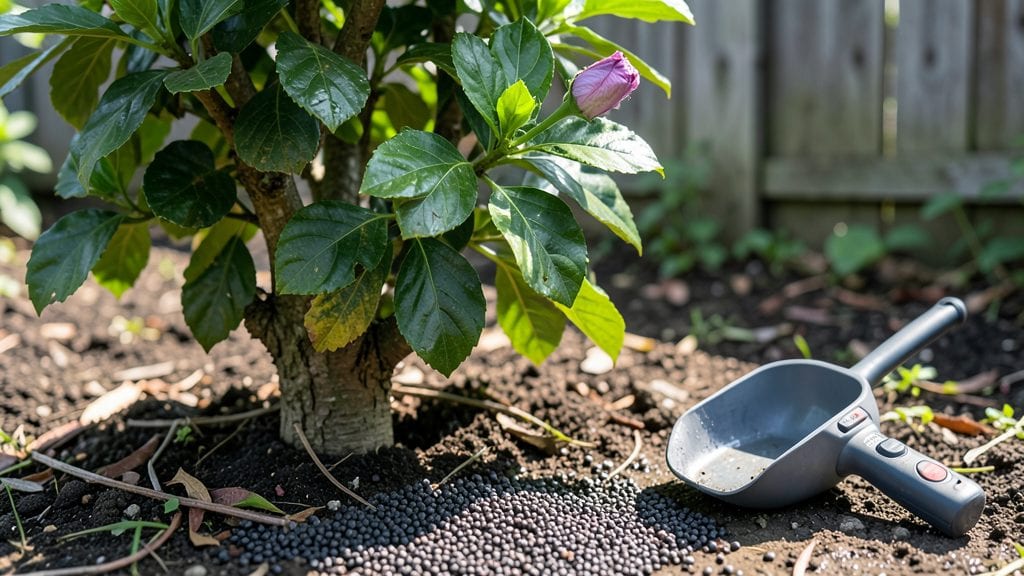
Chelated iron for plants works by delivering iron in a form plants can absorb quickly, especially when you spot deficiency signs like yellowing between leaf veins. Apply as a foliar spray or soil drench following package rates to prevent runoff, and maintain soil pH at 5.5-6.5 for best results.
Chelated iron is essentially iron bound to organic molecules, making it water-soluble and instantly available to plant roots.
This bypasses the common issue of iron locking up in alkaline soils, where regular iron supplements fail. 🌱 For example, in a garden with pH 7.5 soil, chelated iron will work while inorganic iron might as well be invisible to your plants.
The key is consistency—once you start seeing new green growth, keep the applications going until the deficiency is fully corrected.
Another advantage is its dual application method: you can spray it directly on leaves for fast results or mix it into irrigation water for systemic uptake. Just be careful with concentrations—too much can cause leaf scorch, and always apply in the early morning or late evening to avoid rapid evaporation.
💡 In This Article
- How Chelated Iron Works in Plant Nutrition
- Step-by-Step Chelated Iron Application Guide
How chelated iron works in plant nutrition
Chelated iron is iron atoms bound to organic molecules like EDTA (ethylenediaminetetraacetic acid) or EDDHA (ethylenediamine dihydroxyphenylacetic acid). This binding creates a water-soluble complex that mimics how plants naturally absorb iron through their root systems.
The chelating agents act like tiny taxis, ferrying iron directly to plant cells where it's needed for chlorophyll production. Without chelation, iron particles would clump together (a process called precipitation) in soil, especially in alkaline conditions, making it inaccessible to plants.
The magic happens at the molecular level: chelated iron complexes have a negative charge that repels soil particles, allowing them to move freely through the soil solution. In acidic soils (pH < 6.5), plants can absorb inorganic iron more easily, but even there, chelated iron shows 30-50% faster uptake rates because it's immediately available.
The difference becomes dramatic in alkaline soils (pH > 7.0) where inorganic iron becomes nearly useless—chelated iron maintains 90% absorption efficiency compared to 5-10% for regular iron supplements. 🌿 This is why chelated iron works miracles in raised beds filled with composted limestone or volcanic soils.
Here's what's actually happening inside your plant: once absorbed, the chelated iron complex dissociates in the root cells, releasing iron ions that bind to ferritin proteins. These proteins store and transport iron to chloroplasts where it becomes the central atom in chlorophyll molecules.
Without sufficient iron, chlorophyll production stalls, leading to those telltale yellow patches between leaf veins. The beauty of chelated iron is that it delivers iron in a form that bypasses all the chemical barriers plants normally face in the soil environment.
Think of it like this: regular iron supplements are like trying to drink through a clogged straw, while chelated iron is the straw already unclogged and delivering liquid directly to your mouth. The chelating agents don't just make iron soluble—they keep it soluble throughout the entire absorption process.
This is why you'll see visible greening within 3-7 days of application, even in plants that previously showed severe deficiency symptoms. The rapid response comes from iron being immediately available rather than waiting for soil microbes to break down inorganic compounds.
In practical terms, this means you can successfully treat iron-deficient plants in containers with pH 8.0 soils, where traditional iron supplements would fail completely.
For example, blueberry bushes in raised beds often develop chlorosis because their ideal pH of 4.5-5.5 is impossible to maintain in most garden soils—chelated iron lets you bypass this limitation entirely.
The key is understanding that chelation isn't just about solubility; it's about creating a transport system that works in harmony with plant biology. 💡
What most gardeners don't realize is that chelated iron's effectiveness extends beyond just correcting deficiencies. When applied preventatively at 0.5-1 ppm concentrations, it helps maintain optimal plant health by ensuring a steady supply of iron during critical growth phases.
This is particularly important for heavy feeders like tomatoes and peppers that require consistent iron levels to produce strong stems and vibrant foliage. The chelated form prevents both deficiency and potential toxicity from excess iron applications.