
Companion Plants
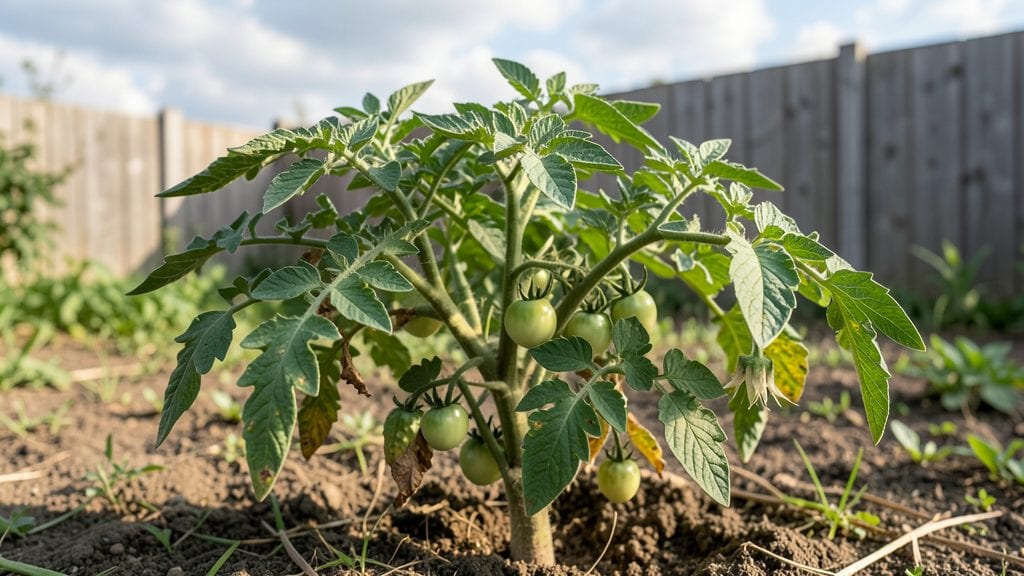
Warm weather plants are the stars of summer gardens—vibrant, productive, and impossible to resist once you see them thriving in your own backyard. 🌻 I’ve learned the hard way that planting too early or choosing the wrong varieties means wilting leaves and wasted effort, but the right heat-loving plants turn even the hottest days into a gardener’s paradise.
Think tomatoes that blush red by July, peppers that pack heat (literally), and succulents that stay crisp even when temps hit 95°F. These plants aren’t just survivors—they’re showstoppers, with glossy foliage, bold blooms, and harvests that keep coming all season long.
The secret? Matching them to your zone, giving them plenty of sunlight, and watering just enough to keep roots happy without drowning them.
You’ll end up with a garden that’s lush, fragrant, and full of life—no more struggling with bolting greens or sad, sunburned leaves. Whether you’re transitioning from spring crops or starting fresh, these plants make summer gardening effortless (and delicious).
Here’s how to pick, plant, and keep them thriving through the heat.
From Southern humidity to desert dryness, every region has its own heat-loving champions. We’ll cover the best picks for your area, plus pro tips to handle everything from sudden downpours to scorching afternoons. Let’s get those sun-kissed gardens growing!
📚 In This Guide
- What you need
- Instructions
- Tips and common mistakes
- Wrapping up and next steps
What you need
- ● Warm weather plants: Choose from sun-lovers like Lantana, Zinnias, Hibiscus, Okra, or Peppers (3–6 plants per variety, depending on space).
- ● High-quality potting soil: 10–20 lbs (4.5–9 kg) of well-draining, organic soil (e.g., Miracle-Gro Potting Mix or FoxFarm Ocean Forest).
- ● Containers or garden beds: For containers: 5–10 gallon pots (1–2 per plant, with drainage holes).
- ● For in-ground planting: A sunny spot (6+ hours of direct sunlight) with loose, fertile soil.
- ● Organic fertilizer: A balanced 10-10-10 or slow-release granular fertilizer (e.g., Espoma Garden-Tone) for planting and monthly feedings.
- ● Mulch: 2–3 inches (5–7 cm) of shredded bark or straw to retain moisture and regulate soil temperature.
- ● Garden trowel or hand shovel (for transplanting).
- ● Pruning shears (for trimming and shaping plants).
- ● Watering can or hose with a gentle spray nozzle (avoid overwatering!).
- ● Gloves (to protect your hands from thorns or rough soil).
- ○ pH testing kit (optional) – Aim for a soil pH of 6.0–7.0 for most warm weather plants.
- ● A warm, sunny location (60°F/15°C+ soil temperature is ideal for planting).
- ● Consistent watering schedule (deep watering 2–3 times per week, more during heatwaves).
- ● Patience and observation – Warm weather plants thrive with attention to their needs!
Step-by-step guide for selecting and planting warm weather plants
Here's how to create a vibrant, sun-loving garden that thrives when temperatures rise.
🌱 Step 1: Choose the Right Plants for Your Climate
Warm weather plants need consistent temperatures above 60°F to flourish. Start by selecting heat-tolerant varieties like tomatoes, peppers, okra, or sunflowers—these handle the sun without wilting. Check your USDA hardiness zone to confirm which plants will thrive in your area.
I always cross-reference the plant tags with my local weather patterns. For example, in Zone 8, I avoid frost-sensitive plants like basil until after the last frost date, which is usually mid-April in my region. Look for plants labeled "heat-tolerant" or "drought-resistant" to simplify care.
☀️ Step 2: Prepare the Planting Site for Full Sun
Warm weather plants demand at least 6-8 hours of direct sunlight daily. Clear the area of weeds and loosen the soil to a depth of 12 inches using a garden fork. Amend the soil with 2-3 inches of compost to improve drainage and nutrient retention.
Real talk: If your soil drains poorly, mix in 1 inch of coarse sand or perlite to prevent root rot. You’ll know the soil is ready when it crumbles easily between your fingers—no clumps should remain. Test the pH if possible; most warm weather plants prefer a slightly acidic to neutral range of 6.0-7.0.
💧 Step 3: Plant During Cool Parts of the Day
To reduce transplant shock, plant seedlings or seeds in the early morning or late afternoon when temperatures are mild. Dig holes twice as wide as the root ball and just as deep—burying too deep can strangle the plant, while shallow planting exposes roots to heat stress.
Gently remove the plant from its container, loosen the roots if they’re circling, and place it in the hole. Fill the gap with soil, pressing lightly to eliminate air pockets. Water deeply right after planting to settle the roots and eliminate stress. You’ll notice new growth within 7-10 days if conditions are ideal.
✂️ Step 4: Mulch and Water Deeply for Establishment
Spread a 2-3 inch layer of organic mulch around each plant, keeping it 2 inches away from the stem to prevent rot. Mulch retains moisture, regulates soil temperature, and suppresses weeds—critical for warm weather plants that dry out quickly.
Water deeply once a week (or more often in extreme heat) until the soil is moist 6 inches down. Avoid overhead watering during peak sun hours to prevent fungal diseases. Instead, water in the early morning or evening so foliage dries quickly. You’ll see healthier, more resilient plants within a few weeks.
🌿 Step 5: Monitor and Adjust for Heat Stress
Watch for signs of heat stress, like wilting leaves or yellowing edges. If this happens, provide temporary shade with a lightweight shade cloth during the hottest part of the day. Prune any leggy or overcrowded growth to improve airflow and reduce stress.
Fertilize lightly every 4-6 weeks with a balanced, slow-release fertilizer to support steady growth. Avoid heavy feeding during extreme heat—plants focus on survival, not production. With consistent care, your warm weather garden will reward you with lush, vibrant growth all season long.
Tips & tricks for perfect warm weather plant selection and care
Creating a thriving warm weather garden takes more than just sunshine—it's about the little details that make all the difference.
The Temperature Factor: That 60°F minimum temperature is non-negotiable for warm weather plants. I've learned the hard way that planting too early can stunt growth—wait until nighttime temperatures consistently stay above 60°F before planting. Use a soil thermometer to check if you're unsure about your microclimate.
Sunlight Strategy: While 6-8 hours of direct sunlight is ideal, not all sun is created equal. South-facing gardens get the most intense light, while north-facing spots may need heat-tolerant varieties. If your garden gets afternoon shade, opt for plants like okra or sunflowers that can handle slightly less intense light while still thriving in heat.
Soil Prep Secret: The 2-3 inch compost layer is your secret weapon for warm weather success. I always mix in an extra 1/2 inch of worm castings (optional but game-changing) for immediate nutrient boost. This helps compensate for the faster nutrient depletion that happens in hot soils. Test your soil's moisture retention after amending—it should hold water like a well-wrung sponge but not stay soggy.
Planting Timing: Those early morning or late afternoon planting windows are crucial for reducing transplant shock. I've found that planting in the late afternoon gives roots a chance to cool down overnight, which is especially important in hot climates. Water thoroughly right after planting—aim for 1 gallon per plant to ensure roots make good contact with moist soil.
Pro Tips for Warm Weather Plants
- Creating a thriving warm weather garden takes more than just sunshine—it's about the little details that make all the difference.
- The Temperature Factor: That 60°F minimum temperature is non-negotiable for warm weather plants.
- Sunlight Strategy: While 6-8 hours of direct sunlight is ideal, not all sun is created equal.
Frequently asked questions
Got questions about keeping your warm-weather plants happy and thriving?
Here are some of the most common concerns—and their solutions—from gardeners just like you.
When is the best time to plant warm-weather crops?
Wait until the last frost date in your area has passed (check local agricultural extensions for specifics). Soil should be at least 60°F (15°C)—stick your finger in: if it’s warm down a few inches, it’s ready! For tender plants like tomatoes or peppers, always harden them off first (acclimate to outdoor conditions over 7–10 days).
Can I grow warm-weather plants in containers?
Many thrive in pots, like basil, okra, or sweet potatoes. Just ensure containers have drainage holes and use lightweight, well-draining soil. Larger plants (e.g., eggplants) need 5+ gallon pots to avoid root-bound stress. Move containers to follow the sun’s arc for maximum warmth.
Why are my warm-weather plants wilting even with enough water?
Wilt can signal heat stress, root rot, or pests. Check for:
- Overwatering: Let soil dry slightly between waterings (stick your finger in—top inch should be dry).
- Pests: Inspect leaves for aphids, spider mites, or whiteflies (spray with neem oil if needed).
- Sunburn: Young plants may need partial shade during peak afternoon heat (1–3 PM).
What are the best companion plants for warm-weather vegetables?
Pairing plants strategically boosts growth and deters pests! Try these power teams:
Warm-Weather Plant
Ideal Companion
Why?
Tomatoes
Basil, marigolds, onions
Basil repels pests; marigolds deter nematodes.
Peppers
Basil, spinach, carrots
Spinach shades roots; carrots deter aphids.
Cucumbers
Radishes, beans, dill
Radishes break up soil; beans fix nitrogen.
How do I protect warm-weather plants from early fall frosts?
When temperatures dip below 50°F (10°C), act fast! Use:
- Row covers (lightweight fabric) to trap heat.
- Cold frames or cloches for delicate plants.
- Mulch with straw or leaves to insulate roots.
- Harvest before frost: Leafy greens (like kale) sweeten when exposed to light frosts!
Wrapping up and next steps
Embracing warm weather plants in your garden isn’t just about aesthetics—it’s about creating a lush, vibrant ecosystem that thrives under the sun’s glow. From sun-loving succulents to fragrant herbs, these companions bring color, texture, and life to your outdoor space while requiring minimal fuss.
Whether you’re a seasoned gardener or just starting, your sun-drenched oasis is within reach!
🌱 Ready to take the next step? Start small—pick one or two plants from this guide, gather your supplies, and let your green thumb shine! Before you know it, your garden will be buzzing with beauty and buzzing with pollinators. Happy planting! 🌞