
Plants
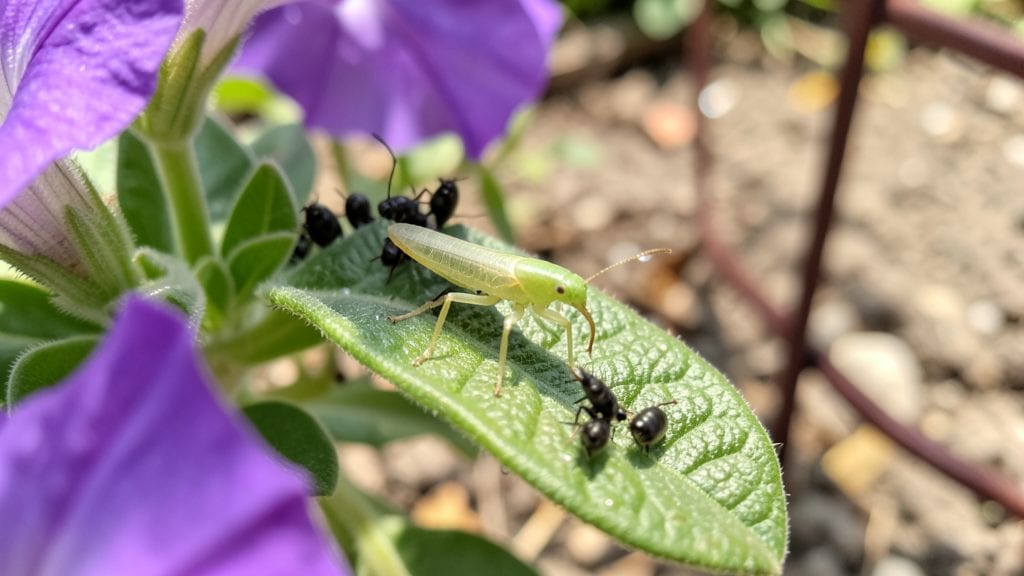
Bugs on petunia plants turn those velvety blooms into a buffet for hungry pests. 🌿 I’ve watched my petunias go from showstopping to skeleton leaves in just days—aphids, spider mites, and earwigs are the usual culprits, and they don’t care if your plants are the pride of your garden.
The good news? Most of these pests respond to simple, organic fixes before you even reach for harsh chemicals.
First, identify the invaders: aphids cluster on new growth, spider mites spin fine webbing, and earwigs leave jagged chew marks at night. Once you know who’s there, act fast—neem oil or insecticidal soap sprayed directly on the bugs (not just the leaves) knocks out most infestations in 24-48 hours.
Prune heavily damaged foliage and drop it in a sealed bag to starve out any hidden pests.
Prevention is where the real magic happens. Interplant petunias with basil or marigolds to repel pests naturally, and water in the morning so foliage dries quickly—damp plants attract earwigs like a neon sign. For stubborn cases, a light horticultural oil spray every 7-10 days keeps pests from settling in long-term.
If your petunias keep getting hit despite your best efforts, a single targeted application of pyrethrin-based spray (organic-derived) can reset the battle. But here’s the thing—once you’ve got the organic routine down, most pests won’t stand a chance. Your petunias will bounce back faster than you think.
Root Causes of Petunia Pests
Petunias are vibrant, low-maintenance favorites—but their lush foliage and sweet nectar make them a buffet for pests. Understanding why these bugs show up is the first step to stopping them.
Below, we break down the science behind the most common invaders and the conditions that turn your petunias into a pest magnet.
Petunias under stress—whether from drought, poor soil, or overcrowding—emit volatile organic compounds (VOCs) that attract pests like aphids, spider mites, and whiteflies. These chemicals signal distress, luring insects that feed on weakened plants.
- Drought stress: When roots can’t absorb enough water, petunias wilt and release VOCs. Thrips and leafhoppers are drawn to this scent, often laying eggs on the undersides of leaves.
- Nutrient deficiencies: Lack of nitrogen or phosphorus weakens cell walls, making leaves easier targets for chewing insects like beetles or caterpillars.
- Root-bound pots: Petunias in containers with restricted roots become stressed, exuding sugars that attract fungus gnats and scale insects.
Actionable fix: Ensure 1–1.5 inches of consistent moisture and use well-draining soil with compost. Prune crowded plants to improve airflow.
Petunias produce high-sugar nectar and pollen, making them a prime target for sap-sucking insects like aphids, mealybugs, and whiteflies. These pests don’t just feed—they also excrete honeydew, a sticky residue that fosters sooty mold and attracts ants (which "farm" the pests for honeydew).
- Aphids: Cluster on new growth, piercing cells to suck sap. Their saliva contains toxins that curl leaves and stunt flowering.
- Whiteflies: Flush when leaves are shaken; they thrive in warm, humid conditions and transmit viruses.
- Mealybugs: Leave white, cottony masses on stems and buds, draining plant energy.
Actionable fix: Deadhead spent blooms regularly to reduce nectar availability. Use yellow sticky traps to monitor whitefly populations early.
Petunias love warmth, but high humidity (above 70%) creates the perfect breeding ground for fungus gnats, spider mites, and thrips. These pests thrive in stagnant air, where their eggs and larvae go undisturbed.
- Spider mites: Proliferate in dry heat (ironically) and spin webs on leaf undersides. They don’t need much water—just low humidity.
- Thrips: Prefer warm, sheltered spots (like greenhouse petunias) and lay eggs in flower buds, causing silver streaks on petals.
- Fungus gnats: Larvae drown in soggy soil but thrive in moist, warm compost.
Actionable fix:
- Use a fan to improve airflow around plants.
- Water early in the day to allow foliage to dry.
- Avoid overhead watering to prevent fungal growth.
Some "bugs" aren’t pests—they’re beneficial predators that accidentally become a problem when their populations explode. For example:
- Lady beetle larvae: Devour aphids but may overfeed if aphid populations spike.
- Ground beetles: Eat slugs but can chew petunia leaves if other food sources are scarce.
- Ants: Don’t harm petunias directly but protect honeydew-producing pests like aphids.
Actionable fix: Encourage biodiversity—plant companion flowers (like marigolds or basil) to attract beneficial insects without letting them overrun your petunias.
Pro tip: 💡 Rotate inspection times—check leaf undersides at dawn (when pests are sluggish) and dusk (when beneficial insects are active) for early detection.
Quick Fixes for Petunia Pests
When tiny invaders turn your vibrant petunias into a buffet, don’t panic—there are effective, organic ways to reclaim your garden. Below, we match common culprits to targeted solutions, from immediate action to long-term prevention. 🛡️🌿
Signs: Sticky residue (honeydew), curled leaves, or clusters of small, pear-shaped bugs.
How to Treat:
- 🔥 Blast Them Off: Spray aphids directly with a strong stream of water from a hose. Repeat every 2–3 days until gone.
- 🍳 Soapy Suds Solution: Mix 1 tbsp mild liquid soap (like Castile) + 1 quart water in a spray bottle. Drench leaves early in the morning (avoid direct sunlight to prevent leaf burn).
- 👨🍳 Ladybugs to the Rescue: Release ladybug larvae (sold at garden centers) or plant marigolds nearby to attract natural predators.
Prevention Tips: ✅ 🌡️ Heat Them Out: Aphids thrive in warm, humid conditions—ensure good airflow around petunias. ✅ ✨ Companion Planting: Interplant with basil, garlic, or chives to repel them naturally.
Signs: Fine webbing on undersides of leaves, stippled or yellowing foliage.
How to Treat:
- 🔪 Neem Oil Spray: Mix 1 tsp neem oil + 1 tsp mild soap + 1 quart water. Spray every 5–7 days until mites disappear.
- 🥘 Water Blast: Spider mites hate humidity—mist leaves daily with water to deter them.
- 🌿 Predatory Mites: Introduce phytoseiulus persimilis (beneficial mites) for a biological solution.
Prevention Tips: ✅ 💡 Keep Plants Hydrated: Water deeply 2–3 times weekly to discourage dry conditions they love. ✅ 🎯 Regular Inspections: Check undersides of leaves weekly—early detection = easier fixes!
Signs: Large holes in leaves, frass (green droppings), or striped caterpillars hiding in foliage.
How to Treat:
- 🍳 Handpick & Drown: Wear gloves, pluck caterpillars into soapy water (they’re slippery—be patient!).
- 🔪 Bt (Bacillus thuringiensis): Sprinkle Bt powder (organic bacteria) on leaves—it’s safe for pets but deadly to caterpillars.
- 🕸️ Bird Baths: Install a shallow birdbath nearby to attract swallows and sparrows, who love snacking on hornworms.
Prevention Tips: ✅ 🌿 Trap Cropping: Plant dill or parsley nearby—caterpillars prefer these over petunias! ✅ 🌙 Night Patrols: Check plants at dusk when caterpillars are most active.
Signs: Irregular holes in leaves, silver slime trails, or chewed petals.
How to Treat:
- 🥘 Beer Traps: Bury a shallow dish filled with beer near plants—slugs crawl in and drown. Refresh every 2 days.
- 🔪 Copper Barriers: Wrap copper tape around pots or garden beds—it gives them a mild electric shock they hate.
- 🌿 Diatomaceous Earth: Sprinkle food-grade DE around the base (reapply after rain)—it dehydrates their bodies.
Prevention Tips: ✅ 🌡️ Mulch Alternatives: Use gravel or pine needles instead of organic mulch (slugs hide in damp mulch). ✅ 🌙 Remove Hideouts: Clear boards, rocks, or dense foliage where they shelter.
Signs: Tiny white moths fluttering when you disturb plants; sticky residue on leaves.
How to Treat:
- 🔪 Yellow Sticky Traps: Hang yellow cards coated with petroleum jelly above plants—they get stuck!
- 🍳 Neem Oil Spray: Same recipe as for spider mites—spray undersides where eggs hide.
- 🌿 Kaolin Clay: Mix 2 tbsp kaolin clay + 1 gallon water—spray to repel and suffocate them.
Prevention Tips: ✅ 💡 Avoid Overwatering: Whiteflies love damp soil—water at the base only, not overhead. ✅ ✨ Ventilation: Ensure good airflow—they thrive in stagnant, humid spots.
- 🌿 Rotate Plants: Avoid planting petunias in the same spot yearly—pests build up in soil.
- 🧹 Clean Up Debris: Remove fallen leaves and spent blooms weekly to deny pests hiding spots.
- 🌱 Strengthen Petunias: Fertilize with compost tea—healthy plants resist pests better!
Pro Tip: 💡 Act fast! The sooner you treat, the easier it is to save your petunias without harsh chemicals. Most organic fixes take 1–2 weeks—stick with it!
Frequently asked questions about petunia plant pests
Why do petunias attract so many different bugs?
Petunias produce sweet nectar and high-sugar pollen that act like a magnet for sap-sucking insects like aphids and whiteflies. Their lush foliage also provides perfect hiding spots for pests, while stressed plants release chemical signals that invite more invaders. The key is maintaining plant health through proper watering and fertilization to make them less appealing.
How can I tell if my petunias have spider mites vs. aphids?
Spider mites create fine webbing on leaf undersides and cause stippled yellowing, while aphids leave sticky honeydew and curled leaves. Check for tiny moving dots (aphids) or barely visible specks with webbing (mites). Use a magnifying glass for close inspection—early detection makes treatment easier.
Is neem oil safe to use on flowering petunias?
Yes, when used correctly! Dilute 1 tsp neem oil + 1 tsp mild soap + 1 quart water and apply in the evening to avoid leaf burn. It won't harm beneficial insects if used as directed. For extra protection, reapply every 5-7 days until pests disappear.
What's the fastest way to get rid of earwigs chewing my petunia leaves?
Try beer traps—bury a shallow dish filled with beer near your plants. Earwigs crawl in and drown within hours. For immediate relief, sprinkle food-grade diatomaceous earth around the base (reapply after rain). Check plants at dusk when earwigs are most active.
Can I still use my petunias for cut flowers if they've had pests?
Yes, but only if you've treated the plants thoroughly and the flowers haven't been directly damaged. Rinse stems under cool water before arranging. For long-term use, isolate treated plants until you're sure the infestation is gone—some pests can hitch rides on cuttings.