
Plants
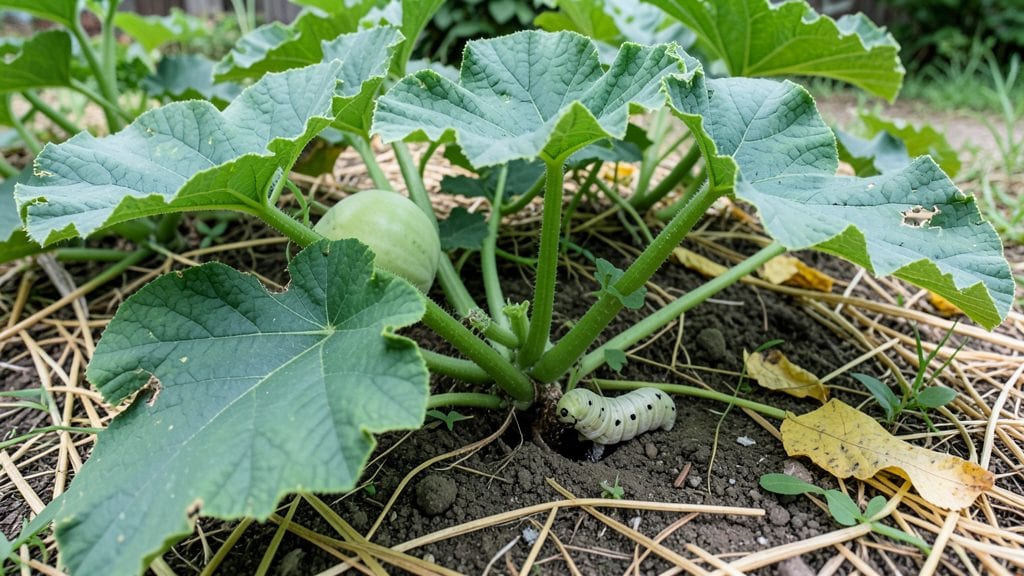
My squash plants troubleshooting guide starts with the most common sign: yellow leaves that turn your healthy-looking vines into a sad, drooping mess. 🌿 I’ve spent three summers watching squash go from lush to limp, and I’ve learned the exact fixes that save plants—even when they look hopeless.
The real culprits are usually hidden: overwatering that drowns roots, powdery mildew choking the leaves, or squash vine borers tunneling through stems. Each problem has a specific fix—like adjusting watering, spraying neem oil, or wrapping stems with aluminum foil to block borers.
The key is catching it early, before the plant gives up.
By the end, you’ll spot the difference between wilting from thirst and wilting from rot, and know exactly how to revive your plants. No more guessing—just clear, tested solutions that work in your backyard. Let’s get those squash thriving again.
Whether you’re dealing with powdery mildew in humid summers or vine borers in warm climates, these fixes adapt to your garden’s challenges. Ready to save your harvest?
Root Causes Behind Squash Struggles
When your squash plants start showing signs of distress—yellowing leaves, wilting vines, or stunted growth—it’s usually a cry for help from the plant itself. Understanding why these issues occur is the first step to saving your harvest.
Below, we break down the most common culprits behind squash plant problems, explained in simple terms with a scientific twist.
Squash plants thrive in well-drained soil, and too much water can suffocate their roots. When soil stays soggy for too long, it deprives roots of oxygen, leading to root rot (often caused by fungi like Phytophthora or Pythium).
This results in yellowing leaves, wilting, and a mushy, foul-smelling root system.
Why it happens:
- Compacted soil prevents water from draining, trapping moisture around roots.
- Clay-heavy soil holds water like a sponge, especially in cooler weather.
- Overzealous watering—even if you think your plants are thirsty, squash prefers consistent moisture, not standing water.
- Lack of organic matter reduces soil porosity, worsening drainage issues.
Pro tip: 💡 Stick your finger 1–2 inches into the soil before watering. If it’s damp, wait. If it’s bone-dry, water deeply but only once the top inch is dry.
Squash plants are heavy drinkers, especially in hot weather. When they don’t get enough water, their leaves curl, yellow, or crisp at the edges—a sign of osmotic stress. Heat stress also causes sunscald, where leaves develop brown, papery patches.
Why it happens:
- Inconsistent watering leads to uneven moisture levels, shocking the plant.
- High temperatures (above 90°F/32°C) increase transpiration (water loss), outpacing root uptake.
- Shallow root systems in young plants can’t reach deep water reserves.
- Wind exposure accelerates moisture loss, drying leaves faster.
Pro tip: 🌡️ Mulch with straw or grass clippings to retain soil moisture and protect roots from extreme temps. Water deeply in the morning to reduce evaporation.
Squash plants are a buffet for pests and pathogens. Cucumber beetles, aphids, and squash vine borers chew leaves and spread bacterial wilt (Erwinia tracheiphila), while fungal diseases like powdery mildew (Podosphaera xanthii) coat leaves in white, stunting growth.
Why it happens:
- Poor airflow (from overcrowding) creates humid microclimates, perfect for fungal spores.
- Weakened plants (from stress or poor nutrition) are easier targets for pests.
- Contaminated soil or tools can introduce pathogens from previous crops.
- Lack of beneficial insects (like ladybugs or lacewings) leaves pests unchecked.
Pro tip: ✨ Inspect leaves daily for holes, chew marks, or strange spots. Use neem oil or row covers to deter pests early.
Yellowing leaves can signal a nutrient deficiency, but the pattern matters. Nitrogen deficiency causes uniform yellowing (starting with older leaves), while magnesium deficiency (chlorosis) shows as interveinal yellowing. Over-fertilizing with nitrogen can also burn roots, leading to wilting.
Why it happens:
- Poor soil testing—squash needs a balanced diet of nitrogen (N), phosphorus (P), and potassium (K), plus micronutrients like magnesium and iron.
- Overuse of synthetic fertilizers can disrupt pH balance, making nutrients unavailable.
- Depleted soil from repeated planting without amendments.
- Waterlogged soil leaches nutrients away, leaving plants starved.
Pro tip: 📊 Test your soil every 2–3 years. Amend with compost or a balanced organic fertilizer (like 5-5-5) at planting time.
Squash plants are sensitive to their surroundings. Extreme heat, cold snaps, or poor air circulation can trigger stress responses like wilting or leaf drop. Even transplant shock (from moving seedlings) can set them back.
Why it happens:
- Sudden temperature swings (e.g., nighttime frost or daytime heatwaves) confuse the plant’s growth cycle.
- Low humidity causes leaves to lose moisture faster than roots can replace it.
- Windburn dries out leaves, leading to crispy edges.
- Improper hardening off (for seedlings) stresses young plants when transitioning outdoors.
Pro tip: 🌿 Acclimate seedlings gradually to outdoor conditions over 7–10 days. Use shade cloth in peak summer to protect from scorching.
Now that you know the why, the next step is fixing the problem before it spreads. Early action is key—don’t wait until your plants are past saving!
Quick Fixes for Squash Plant Struggles
When your squash plants start showing signs of distress—whether it’s yellowing leaves, wilting vines, or mysterious spots—acting fast can save your harvest. Below are targeted solutions for the most common issues, along with simple prevention tips to keep your plants thriving. 🌱💪
Cause: Overwatering, underwatering, or root rot. Fix: 🔥 Drainage Check: Ensure pots or garden beds have holes for excess water to escape. If soil stays soggy for more than a day, your plants are drowning. 🍳 Water Wisely: Water deeply but infrequently—aim for 1 inch per week (adjust for rain). Stick your finger 1 inch into the soil; if it’s dry, water. 👨🍳 Revive Stressed Roots: For root rot, trim mushy roots with sterilized scissors, repot in fresh, dry soil, and reduce watering. Add a handful of perlite to improve drainage. ⏰ Prevention Tip: Mulch around plants to retain moisture without suffocating roots. Avoid watering at night to prevent fungal growth.
Cause: Extreme heat, pests (like squash vine borers), or nutrient deficiencies. Fix: 🔥 Shade Relief: If temps hit 90°F+, provide afternoon shade with a lightweight row cover or shade cloth. Wilting in heat is often temporary—hydrate well and monitor. 🍳 Pest Patrol: Inspect leaves for chewed stems or sawdust-like frass (signs of vine borers). Handpick eggs or larvae, or apply neem oil as a natural deterrent. 👨🍳 Boost Nutrients: Wilting can signal a lack of magnesium or potassium. Feed with a balanced fertilizer (like 10-10-10) or compost tea. For magnesium, use Epsom salt (1 tbsp per gallon of water) every 2 weeks. ✨ Prevention Tip: Plant squash near basil or marigolds to repel pests. Rotate crops yearly to break pest cycles.
Cause: Powdery mildew, downy mildew, or bacterial leaf spot. Fix: 🔥 Prune & Toss: Remove infected leaves immediately (don’t compost them!). Fungi spread fast—catch it early! 🍳 Fungal Spray: Mix 1 tsp baking soda + 1 tsp oil + 1 tsp dish soap per quart of water. Spray leaves until dripping, focusing on undersides. Repeat every 7–10 days. 👨🍳 Improve Airflow: Space plants 3–4 feet apart and avoid overhead watering. Use a fan on low to circulate air in greenhouses. 🌡️ Prevention Tip: Water at soil level (use a drip system or soaker hose) to keep leaves dry. Choose resistant varieties like ‘Butternut’ or ‘Zucchini ‘Eight Ball’’.
Cause: Sap-sucking pests weakening plants. Fix: 🔥 Manual Removal: Crush eggs (tiny black dots on leaf undersides) or adults with your fingers. Drop them into soapy water. 🍳 Homemade Spray: Blend 1 chili pepper + 1 garlic clove + 1 quart water, strain, and spray. Reapply after rain. 👨🍳 Beneficial Buddies: Release ladybugs or lacewings (available at garden centers) to eat aphids naturally. 🎯 Prevention Tip: Use yellow sticky traps to monitor and catch pests early. Interplant with nasturtiums to distract bugs.
Cause: Lack of bees, extreme heat, or poor plant health. Fix: 🔥 Hand Pollinate: Use a soft paintbrush to transfer pollen from male (stemmed) to female (tiny squash at base) flowers in the morning. 🍳 Attract Pollinators: Plant bee-friendly flowers like marigolds or sunflowers nearby. Avoid pesticides that harm bees. 👨🍳 Cool Them Down: If temps exceed 95°F, provide shade and water deeply to reduce stress. 💡 Pro Tip: If flowers drop without fruiting, check for blossom end rot (calcium deficiency). Side-dress with crushed eggshells or use a calcium supplement.
Remember: Prevention is easier than cure! Regularly inspect your plants, rotate crops, and give them the right conditions to stay strong. With these fixes, your squash should bounce back—and you’ll be feasting on homegrown goodness in no time. 🎉🍠
Frequently asked questions about squash plant care
Why are my squash leaves turning yellow?
Yellowing leaves usually signal overwatering (root rot) or nutrient deficiencies like nitrogen or magnesium. Check soil moisture first—water only when the top 1 inch feels dry. For yellowing between veins, try Epsom salt (1 tbsp per gallon) every 2 weeks.
How do I stop squash vine borers from destroying my plants?
Wrap stems with aluminum foil (borers can't penetrate it) or use neem oil spray. For severe cases, handpick eggs (tiny black dots) daily. Planting marigolds nearby deters them naturally. Act fast—borers kill plants in days!
What's the best way to prevent powdery mildew on squash?
Improve airflow by spacing plants 3-4 feet apart and water at soil level (never overhead). Spray with a mix of 1 tsp baking soda + 1 tsp oil + 1 tsp soap per quart of water weekly. Choose resistant varieties like 'Butternut' for better defense.
Can I save a wilting squash plant?
Yes, if caught early! Move to shade, water deeply (but don't overdo it), and check for pests. For heat stress, provide afternoon shade. If roots are mushy (root rot), trim affected areas and repot in fresh soil. Most squash recover quickly with proper care.
Why aren't my squash flowers producing fruit?
This usually means poor pollination (no bees) or heat stress (>95°F). Hand-pollinate with a paintbrush in mornings, or plant bee-friendly flowers nearby. For heat issues, provide afternoon shade and water consistently. Check for blossom end rot (calcium deficiency) too.