
Planting
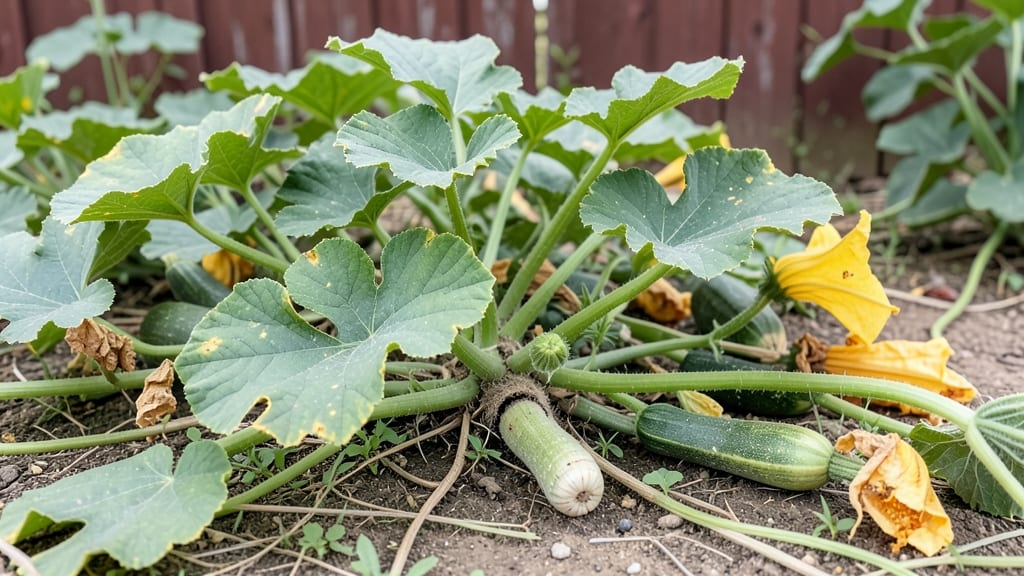
When your squash plant problems start with wilting leaves and mysterious spots, here’s how to diagnose—and fix—them fast. I’ve wrestled with every squash problem from powdery mildew to vine borers—and here’s how to stop the damage before it ruins your harvest.
The key is acting fast, because squash plants hide their struggles until it’s almost too late.
Most issues start with watering mistakes or crowded vines, but pests like squash bugs and vine borers sneak in when you least expect them. I’ll show you how to spot the early signs—yellowing leaves, chewed stems, or white powder on foliage—and what to do before the plant gives up.
No harsh chemicals here, just targeted fixes that work in under 30 minutes.
By the end, you’ll have squash plants that stay strong, produce heavy yields, and resist the most common threats. The best part? These solutions prevent future problems, so next season you’ll enjoy vibrant green leaves and full, healthy fruit without the panic. Let’s get those plants back on track.
Works for zucchini, butternut, and pumpkins—no matter what type you’re growing. Here’s your quick-fix toolkit for a thriving squash patch.
Root Causes of Squash Struggles
Understanding why your squash plants act up is half the battle—once you know the culprit, you can fix it fast! Squash plants are tough, but they’re not invincible. Here’s a breakdown of the most common reasons they falter, backed by science and actionable insights.
💦 Why it happens: Squash plants thrive in well-drained soil, but too much water—especially in compacted or clay-heavy soil—can drown their roots. When roots sit in soggy conditions, they suffocate, starving the plant of oxygen.
This leads to wilting, yellowing leaves (chlorosis), and fungal diseases like Phytophthora, which attacks roots and stems.
- The science: Roots need oxygen to respire and absorb nutrients. Waterlogged soil forces them into anaerobic conditions, where harmful bacteria thrive and beneficial microbes die off. - Actionable fix: Amend soil with compost or perlite to improve aeration.
Plant in raised beds or mounds if your garden drains poorly, and water deeply but infrequently (1–2 inches per week, depending on climate).
🌱 Why it happens: Squash are heavy feeders, and soil lacking key nutrients leads to stunted growth, weak stems, or deformed fruit.
The most common deficiencies are: - Nitrogen (N): Leads to yellow lower leaves (oldest leaves first) and poor vine growth. - Potassium (K): Causes weak stems, brown leaf edges, and fruit that’s prone to rot. - Magnesium (Mg): Results in interveinal yellowing (between leaf veins) due to chlorosis.
- The science: Nutrients like nitrogen and potassium are mobile in the plant—when deficient, the plant "steals" them from older leaves first.
Magnesium, however, is immobile and gets trapped in new growth, leading to yellow patches even as the plant struggles. - Actionable fix: Conduct a soil test (DIY kits work!) and amend with: - Balanced fertilizer (10-10-10) at planting. - Banana peel tea (for potassium) or Epsom salt (for magnesium) mid-season. - Compost or worm castings for slow-release organic nutrients.
🐞 Why it happens: These pests are squash’s worst enemies. Squash bugs (Anasa tristis) pierce stems to feed, injecting toxins that cause wilting, scorch marks, and sudden plant collapse.
Cucumber beetles (Acalymma spp.) chew leaves, spread bacterial wilt, and lay eggs that hatch into destructive larvae.
- The science: Squash bugs excrete saliva with enzymes that disrupt the plant’s vascular system, leading to vascular wilt.
Cucumber beetles transmit Erwinia tracheiphila, a bacteria that clogs xylem vessels, cutting off water flow. - Actionable fix: - Handpick adults (they’re shield-shaped and grayish) and drop them in soapy water. - Use row covers early in the season to block beetles. - Apply neem oil or kaolin clay as a barrier—reapply after rain. - Encourage beneficial insects like ladybugs and lacewings with dill or fennel planted nearby.
🍄 Why it happens: High humidity, poor airflow, and wet foliage create the perfect storm for powdery mildew, downy mildew, or bacterial leaf spot. These pathogens thrive in temperatures above 75°F (24°C) and crowded plants.
- The science:
- Powdery mildew (Podosphaera xanthii) forms a white, powdery coating on leaves, blocking photosynthesis.
- Downy mildew (Pseudoperonospora cubensis) causes yellow spots on top leaves and fuzzy gray growth underneath.
- Bacterial leaf spot (Xanthomonas campestris) creates water-soaked brown spots that ooze when wet.
- Actionable fix:
- Space plants 3–4 feet apart for airflow.
- Water at the base (avoid overhead sprinkling).
- Apply copper fungicide preventatively or baking soda spray (1 tsp baking soda + 1 quart water + a drop of dish soap) for mildew.
- Remove infected leaves immediately and destroy them (don’t compost!).
❄️🔥 Why it happens: Squash are warm-season crops (60–90°F / 15–32°C ideal).
Extreme heat or cold shocks them: - Cold stress (<50°F / 10°C): Causes blackened leaves, stunted growth, and poor fruit set. - Heat stress (>90°F / 32°C): Leads to wilting, sun scorch (white/yellow patches), and blossom drop.
- The science: Cold snaps trigger oxidative stress, damaging cell membranes.
Heat stress disrupts photosynthesis and pollination (bees avoid wilting flowers). - Actionable fix: - Use black plastic mulch to warm soil in spring. - Provide shade cloth (30–50%) during heatwaves. - Choose heat-tolerant varieties like ‘Black Beauty’ or ‘Straightneck Yellow Summer Crookneck’. - Mulch with straw to keep roots cool and retain moisture.
Quick fixes for squash plant woes
Squash plants are resilient, but when issues like wilting, spots, or pests strike, acting fast can save your harvest. Below are practical, step-by-step solutions tailored to common squash problems—plus prevention tips to keep your plants thriving. Let’s turn those troubles into triumphs!
Cause: Overwatering, underwatering, heat stress, or root damage. Fix It Fast:
💧 Check the Soil Moisture First
- Stick your finger 1–2 inches into the soil. If it’s soggy, your squash is drowning. If dry as a bone, it’s thirsty!
- Water deeply but less often—aim for 1–1.5 inches per week (adjust for rain).
Use a soaker hose or drip irrigation to deliver water at the roots, not the leaves.
🌡️ Beat the Heat Stress
- Mulch heavily with straw or shredded leaves to keep roots cool and moisture locked in.
- Provide afternoon shade with a lightweight row cover or shade cloth (30–50%) if temps hit 90°F+ (32°C+).
- Harvest ripe squash sooner—overripe fruit stresses the plant.
🔧 Fix Root Issues (If Wilting Persists)
- Gently loosen compacted soil around the base (but avoid damaging roots).
- Add compost or worm castings to improve drainage and nutrient uptake.
- If roots look mushy or black (rot), trim away the bad sections with sterilized pruners and repot in fresh soil.
💡 Prevention Tip: Plant squash in well-draining soil and raise beds if your garden floods easily. Choose heat-tolerant varieties like ‘Butternut’ or ‘Zucchini ‘Eight Ball’ for hot climates.
Cause: Fungal diseases (powdery mildew, downy mildew, anthracnose) or bacterial spots. Fix It Fast:
🧼 Clean Up the Mess
- Remove and destroy infected leaves/fruit immediately—do not compost them! Bag and toss in the trash.
- Prune for airflow: Space plants 3–4 feet apart and trim foliage to improve circulation.
🌿 Natural Fungicide Sprays
Mix one of these DIY treatments and spray early morning or evening (avoid direct sun):
- Baking soda spray: 1 tsp baking soda + 1 tbsp oil + 1 tsp dish soap + 1 gallon water.
- Milk spray: 1 part milk to 9 parts water (contains fungicidal proteins).
- Copper fungicide: Follow label rates for severe infections.
🌡️ Adjust Growing Conditions
- Water at the base (avoid wetting leaves) and water early to let foliage dry by night.
- Reduce humidity with a fan on low near plants (if growing indoors or in a greenhouse).
💡 Prevention Tip: Rotate crops—don’t plant squash in the same spot next year. Solarize soil in spring by covering it with clear plastic for 4–6 weeks to kill fungal spores.
Cause: Squash bugs, cucumber beetles, aphids, or squash vine borers. Fix It Fast:
🕷️ Trap and Remove Squash Bugs
- Handpick adults and eggs (look for flat, brown ovals under leaves).
- Use a cardboard trap: Place a flipped cardboard box near plants—bugs hide underneath.
Check daily and drown them in soapy water. - Spray with neem oil (follow label) or kaolin clay to deter them.
🐞 Stop Cucumber Beetles
- Cover young plants with fine netting until they’re established (beetles chew holes in leaves and spread disease).
- Set out yellow sticky traps to catch adults.
- Spray with pyrethrin (organic insecticide) at dusk when beetles are active.
🐛 Squash Vine Borers? Act Now!
- Look for sawdust-like frass near the stem—sign of borers.
- Cut open the stem to find larvae. If found, prune the plant back to healthy growth (borers can’t survive without the vine).
- Apply diatomaceous earth around the base to deter eggs.
💡 Prevention Tip: Interplant with pest-repelling herbs like basil, marigolds, or nasturtiums. Rotate planting locations yearly to disrupt pest life cycles.
Keep your squash healthy with these quick maintenance tips:
- Fertilize lightly with balanced 10-10-10 or compost tea every 3–4 weeks.
- Support vines with trellises to reduce soil-borne diseases.
- Harvest regularly—overripe squash saps energy from the plant.
- Monitor daily for early signs of stress (yellowing, holes, or wilting).
Your squash deserves a fighting chance—and with these fixes, it’ll be back to thriving in no time! 🚀🍠
Frequently asked questions
Why are my squash leaves turning yellow?
Yellowing leaves usually signal nutrient deficiencies or overwatering. Check the pattern: yellowing on older leaves often means nitrogen deficiency, while yellow between veins suggests magnesium shortage. For quick fixes, apply Epsom salt (for magnesium) or a balanced fertilizer like 10-10-10. If soil feels soggy, reduce watering and improve drainage with compost.
How do I get rid of squash vine borers?
Squash vine borers are sneaky—look for sawdust-like frass near stems or wilting vines. Cut open the stem to spot larvae. Prune the infected section back to healthy growth immediately. For prevention, wrap stems with aluminum foil (borers dislike it!) or apply diatomaceous earth around the base. Handpick eggs (tiny white ovals) daily.
Can I save a squash plant with powdery mildew?
Yes, but act fast! Remove all infected leaves and destroy them (don’t compost). Improve airflow by spacing plants 3–4 feet apart and prune crowded foliage. Spray with a baking soda solution (1 tsp baking soda + 1 tbsp oil + 1 tsp dish soap per gallon of water) every 7–10 days. Water at the base in the morning to keep leaves dry.
What’s the best way to prevent squash bugs?
Squash bugs thrive in crowded gardens. Start with row covers early in the season to block adults. Handpick eggs (flat, brown ovals) and adults daily—drop them in soapy water. Plant traps like radishes nearby to lure them away from squash. Use kaolin clay or neem oil as a barrier spray, reapplying after rain.
Why are my squash flowers falling off without producing fruit?
This usually happens due to heat stress (above 90°F/32°C), poor pollination, or overwatering. Provide afternoon shade with shade cloth and mulch heavily to retain moisture. Hand-pollinate flowers by gently shaking vines or using a small brush to transfer pollen. Avoid overwatering—soggy soil stresses plants.