
Diseases
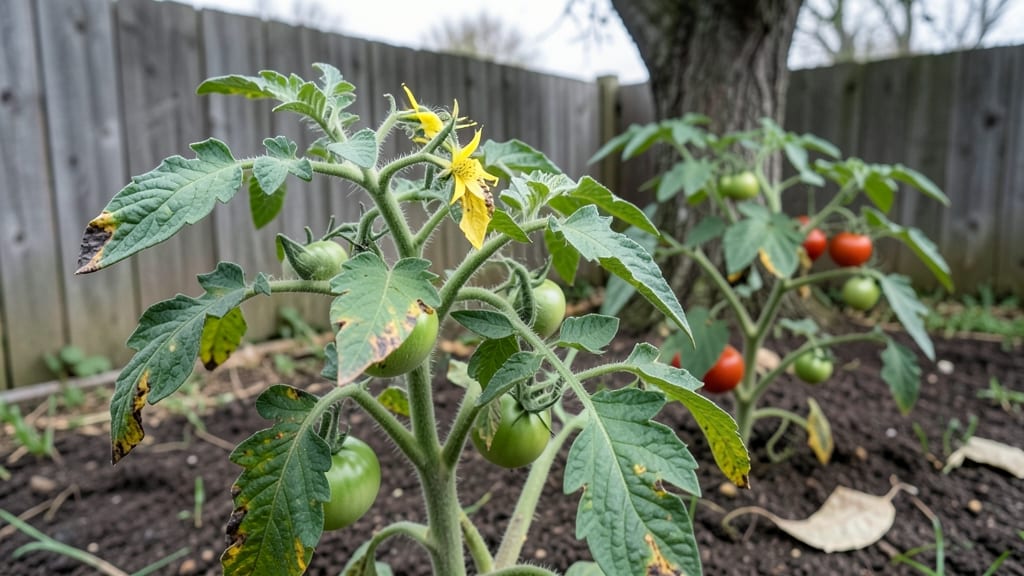
When your tomato plants suddenly wilt despite perfect care, it’s rarely overwatering—it’s often tomato plant wilt disease, and knowing the difference saves your harvest. 🌱 I’ve seen entire gardens collapse from fungal wilt in just two weeks, but early action can turn things around.
The first step is telling bacterial wilt (which spreads like wildfire) from fungal wilts like fusarium or verticillium (which lurk in soil).
Most gardeners mistake wilt for stress—until it’s too late. The key signs? Leaves yellowing at the top while roots stay damp (fungal), or plants collapsing midday with no wilting at the edges (bacterial).
I’ve pulled plants too late, but I’ve also saved others by acting fast—pruning infected stems, sterilizing tools, and rotating crops. The right approach depends on what’s actually causing the problem.
You can stop fungal wilt with resistant varieties, solarization, or soil amendments like composted manure, while bacterial wilt demands removing infected plants immediately. The good news? Prevention is simpler than treatment—healthy soil, proper spacing, and clean tools keep most wilts at bay. Let’s diagnose yours before it spreads.
This works for backyard gardens, raised beds, or containers—just adapt the timing to your climate. Whether you’re dealing with a single plant or a full patch, the solution starts with knowing your enemy. Here’s how to fight back before it’s too late.
Root Causes Of Tomato Wilting
Tomato plants are the backbone of any home garden, but when they start wilting unexpectedly, it can feel like a mystery wrapped in frustration.
Wilting isn’t just a sign of thirst—it’s often a cry for help from your plants, and understanding the why behind it is the first step to saving your harvest.
Below, we break down the most common culprits behind tomato plant wilting, from soil-borne invaders to environmental stressors, with clear explanations of how they attack your plants—and what you can do to stop them.
Fungi are the sneaky saboteurs of the plant world, thriving in moist, warm conditions to weaken tomato roots and stems. Two of the most destructive fungal diseases that cause wilting are Fusarium wilt and Verticillium wilt, both of which clog the plant’s vascular system like a plumbing blockage.
- How it happens: - Fusarium oxysporum and Verticillium dahliae fungi live in the soil, entering tomato roots through microscopic wounds.
Once inside, they produce toxic compounds that disrupt water and nutrient transport, causing sudden wilting—even in well-watered plants. - These fungi spread through contaminated soil, tools, or even water droplets from infected plants to healthy ones. - Symptoms: Yellowing leaves, stunted growth, and wilting that starts in one branch before spreading.
Unlike bacterial wilt, fungal wilt often affects older leaves first.
- Why it’s tricky:
- Fungi can survive in soil for years, making them nearly impossible to eradicate once established.
- Resistant tomato varieties (like 'Mountain Merit' for Verticillium or 'Celebrity' for Fusarium) are your best defense.
If your tomato plants wilt overnight and ooze a milky, bacterial slime when cut open, you’re likely dealing with bacterial wilt (Ralstonia solanacearum). This disease is highly contagious and spreads like wildfire in warm, humid conditions.
- How it happens: - Bacteria enter through root wounds, cracks in stems, or even pruning cuts.
Once inside, they multiply rapidly, clogging the plant’s xylem (water-conducting tissues) with gummy bacterial masses. - Heat and moisture (75–95°F) create the perfect breeding ground, allowing bacteria to jump from plant to plant via splashing water, tools, or even infected seeds. - Symptoms: Sudden collapse, wilting that doesn’t improve with watering, and bacterial ooze when stems are sliced open.
- Why it’s devastating:
- There’s no cure—once a plant is infected, it must be destroyed immediately (bagged and thrown away, not composted).
- Bacteria can persist in soil for years, making crop rotation and solarization key prevention tactics.
Wilting isn’t always about disease—sometimes, it’s about too much love (or the wrong kind). Overwatering or compacted, waterlogged soil suffocates roots, cutting off their oxygen supply and triggering wilting.
- How it happens: - Root rot (often caused by Phytophthora fungi) sets in when roots sit in soggy soil for days.
Without oxygen, roots stop absorbing water, leading to wilting despite a saturated environment. - Clay or poorly amended soil holds excess water, while lack of mulch causes soil to dry out unevenly, stressing roots. - Symptoms: Yellowing leaves, mushy black roots, and wilting that worsens in wet weather.
- Why it’s fixable:
- Improve drainage with raised beds or amended soil (add perlite, compost, or sand).
- Water deeply but less frequently—tomatoes prefer 1–2 inches of water per week, delivered at the base.
- Avoid overhead watering, which can spread disease and evaporate too quickly.
Tomatoes are tropical plants at heart, and when they’re pushed beyond their comfort zone, wilting is their way of saying, “I’m struggling!” Extreme heat, drought, or even strong winds can dehydrate plants faster than they can drink.
- How it happens:
- Heat stress: Temperatures above 90°F cause stomata (leaf pores) to close, reducing water uptake. Sunburned leaves (white or gray patches) often appear alongside wilting.
- Drought stress: Shallow root systems (common in container-grown tomatoes) dry out quickly, leading to rapid wilting in hot afternoons.
- Wind damage: Transpiration (water loss) speeds up in windy conditions, outpacing the plant’s ability to absorb moisture.
- Why it’s manageable:
- Provide shade cloth during peak heat (30–50% shade reduces stress).
- Mulch heavily (2–4 inches) to retain moisture and cool roots.
- Use drip irrigation to deliver water slowly and directly to roots.
Pests like root-knot nematodes, cutworms, or aphids can chew roots, sap stems, or block nutrient flow, causing wilting that looks like disease.
- How it happens:
- Root-knot nematodes (microscopic worms) penetrate roots, forming galls that disrupt water absorption.
- Cutworms (caterpillars) sever stems at the base, causing sudden wilting in young plants.
- Aphids or spider mites suck sap from leaves, reducing the plant’s ability to photosynthesize and transport water.
- Why it’s actionable:
- Inspect roots when transplanting—look for knots or lesions.
- Use nematode-resistant varieties (like 'Defiant PhR' tomatoes).
- Handpick cutworms at night (they’re most active then) or use collars made from cardboard around stems.
How to Fix Wilted Tomato Plants
Wilted tomato plants can feel like a gardener’s worst nightmare, but with the right approach, you can often save your harvest—and even prevent future outbreaks. The solution depends on the root cause (bacterial or fungal wilt), but the good news is that early action makes all the difference.
Below, we break down practical fixes for each type of wilt, plus prevention tips to keep your tomatoes thriving.
Bacterial wilt (Ralstonia solanacearum) spreads fast and is nearly impossible to cure once symptoms appear. Your best bet is prevention and containment to stop it from infecting other plants.
🚨 Step 1: Remove & Destroy Infected Plants
- 🔪 Dig up any wilted tomato plants showing vascular discoloration (brown streaks in stems).
- 🔥 Burn or bag the plants (do not compost them—the bacteria can survive).
- ⚠️ Warning: Avoid watering the soil where infected plants grew for at least 2 years to prevent reinfection.
🌱 Step 2: Rotate Crops & Sanitize Tools
- 🌿 Plant unrelated crops (like beans or lettuce) in the same spot for 2–3 years before replanting tomatoes.
- 🧼 Sterilize tools with a 10% bleach solution (1 part bleach to 9 parts water) between uses.
- 🚫 Avoid overhead watering—use drip irrigation to keep leaves dry and reduce bacterial spread.
💡 Prevention Pro Tips
- 🌡️ Choose resistant varieties like ‘Solar Fire’ or ‘Mountain Merit’ (bred to tolerate bacterial wilt).
- 🚫 Test soil pH—bacteria thrive in acidic soil (pH < 6.5).
Aim for 6.5–7.0 with lime if needed. - 🐛 Control pests like flea beetles, which can carry bacteria into wounds.
Fungal wilts (Fusarium or Verticillium) are treatable with fungicides, soil amendments, and cultural fixes. The key is speed—don’t wait until the plant is completely collapsed.
💊 Step 1: Apply Fungicidal Treatments
- 🍳 Spray with copper fungicide (like Copper Soap) every 7–10 days for 2–3 weeks.
- 🌿 Use biological controls like Trichoderma harzianum (a beneficial fungus) to outcompete pathogens.
- 💧 For severe cases, inject phosphite-based fungicides (e.g., Phostrol) into the soil.
🌱 Step 2: Improve Soil Health & Drainage
- 🔄 Amend soil with compost, aged manure, or coconut coir to boost microbial activity.
- 💧 Fix drainage issues—fungi love waterlogged soil.
Raise beds or add sand/perlite. - 🌿 Mulch with straw (not fresh grass clippings) to keep soil moist but not soggy.
⏰ Step 3: Prune & Support Weak Plants
- 🪴 Trim affected leaves (but avoid over-pruning—stress makes plants more vulnerable).
- 💪 Prop up wilting stems with stakes or cages to reduce stress on roots.
- ☀️ Provide shade cloth (30–50%) if your area gets hot afternoons (heat worsens fungal stress).
💡 Prevention Pro Tips
- 🎯 Plant in well-draining soil—test with the "squeeze test" (grab a handful; if it stays clumped, it’s too dense).
- 🚫 Avoid planting tomatoes in the same spot more than once every 3 years.
- 🌡️ Water deeply in the morning (never at night) to let foliage dry quickly.
- 🌱 Interplant with marigolds—they release alpha-terthienyl, a natural fungicide.
Even if you’re unsure of the cause, these emergency measures can help revive struggling tomato plants:
- 💧 Hydrate Properly
- 🚫 Avoid soggy soil—fungi and bacteria thrive in wet conditions.
- 🍽️ Fertilize Smartly
- 💪 Switch to potassium-rich fertilizers (e.g., banana peel tea or kelp meal) to strengthen stems.
- 🌡️ Adjust Water Temperature
- 🌿 Boost Beneficial Microbes
- 🐝 Encourage pollinators—healthy bees = more fruit set = less stress on plants.
| Action | Why It Works | How to Do It |
|---|---|---|
| Crop rotation | Stops pathogen buildup in soil | Wait 3+ years before replanting tomatoes |
| Sterilize tools | Prevents cross-contamination | Wipe with rubbing alcohol between gardens |
| Test soil pH | Bacteria love acidity; fungi need balance | Use a home test kit (aim for 6.5–7.0) |
| Use resistant varieties | Some tomatoes fight wilts naturally | Try ‘Defiant PhR’ (Fusarium-resistant) |
| Improve airflow | Reduces humidity (fungi’s favorite) | Space plants 18–24 inches apart |
Final Thought: Wilting doesn’t always mean game over—act fast, identify the cause, and adjust your care routine. With the right fixes, your tomato plants can bounce back, and next season’s harvest will be even healthier. 🍅💪
Frequently asked questions
How can I tell if my tomato plant has bacterial wilt vs. fungal wilt?
Bacterial wilt causes sudden collapse with no wilting at the edges, while fungal wilt (like fusarium or verticillium) starts with yellowing older leaves and progresses slowly. Cut open a stem—if you see milky bacterial ooze, it’s bacterial; if stems show brown vascular discoloration, it’s fungal.
Can I save a tomato plant already showing wilt symptoms?
For fungal wilt, you may revive plants with copper fungicide sprays and improved drainage. But if it’s bacterial wilt, remove the plant immediately—there’s no cure. Prune affected leaves from fungal cases and support stems with stakes to reduce stress.
What’s the fastest way to test my soil for fungal pathogens?
Use a home soil test kit for basic health, but for fungal pathogens, send samples to a plant lab (like your local Cooperative Extension Service). Look for dark streaks in stems (verticillium) or yellowing bottom leaves (fusarium) as visual clues.
Are there tomato varieties that resist wilt diseases?
Yes! Try ‘Mountain Merit’ (verticillium-resistant), ‘Defiant PhR’ (fusarium-resistant), or ‘Solar Fire’ (bacterial wilt-tolerant). Always check seed packets for disease resistance labels before planting.
Why does my tomato plant wilt in the afternoon but recovers at night?
This is classic heat stress or transpiration stress—your plant loses water faster than roots can absorb it. Provide shade cloth (30–50%) during peak sun, mulch heavily, and water deeply in the morning to prevent this.