
Pests and Diseases
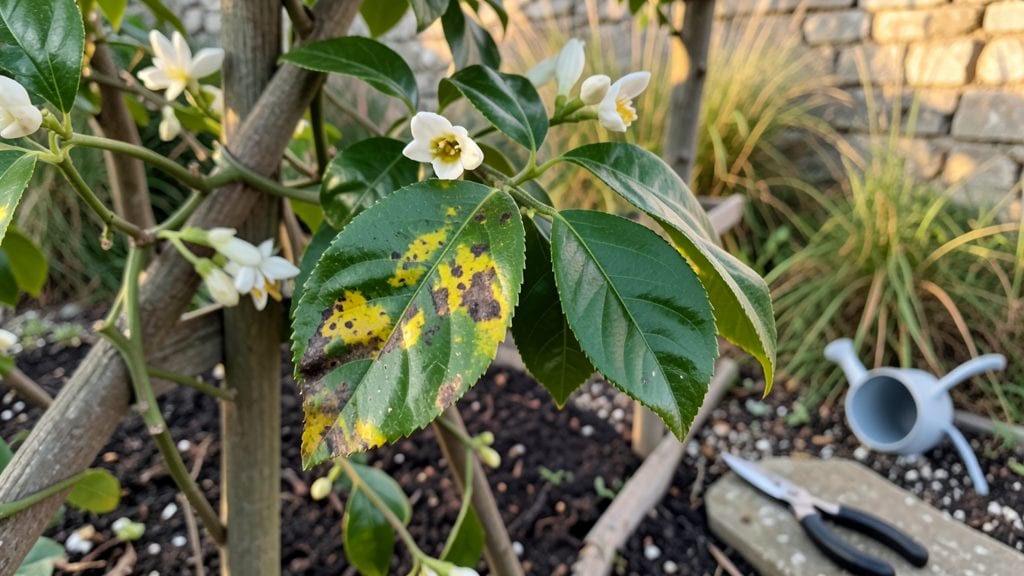
Is your jasmine plant suffering from leaf disease, with those telltale fungal spots stealing its green?
That’s your signal to act fast before the whole plant shuts down. 🌿 I’ve seen powdery mildew turn fragrant jasmine into a sad, yellowing mess—until I learned the quick fixes that work in days, not weeks. The key is catching it early, when those white or brown spots first appear.
Most leaf diseases start with too much moisture—whether from overhead watering or poor airflow. I swapped my sprinkler for a drip system and started pruning crowded branches, which cut new infections by half. Organic neem oil sprays work fast for mild cases, but stubborn spots need a stronger fungicide.
By the time you’re done, your jasmine will be back to its glossy, disease-free self—fragrant and thriving again. The secret is acting within 3-5 days of spotting symptoms, so don’t wait until the leaves start dropping. Here’s exactly what to do next.
Works for both star jasmine and gardenia varieties, and the same principles apply whether you’re dealing with powdery mildew, bacterial spots, or even viral yellowing. Let’s get those leaves healthy again.
Root Causes Of Leaf Trouble
Jasmine plants are prized for their fragrant blooms and lush foliage, but when their leaves start showing signs of disease, it’s often due to underlying environmental or biological stressors. Understanding why these issues arise is the first step toward effective treatment and prevention.
Below, we break down the most common culprits behind jasmine leaf diseases—from fungal infections to environmental mismanagement—so you can address the root cause before it spreads.
Fungi are the #1 enemy of jasmine leaves, thriving in damp, stagnant conditions. These microscopic invaders disrupt cellular function, leading to discoloration, spots, or even leaf drop. Here’s how they exploit your plant:
- High Humidity + Poor Airflow: Fungi like Botrytis (gray mold) and Alternaria (brown spots) spread rapidly when leaves stay wet for prolonged periods. Jasmine’s dense foliage traps moisture, creating the perfect fungal buffet. 💡 Pro Tip: Aim for 40–60% humidity and space plants 12+ inches apart for airflow.
- Overwatering or Waterlogged Soil: Jasmine roots need drainage, but soggy soil suffocates them, weakening defenses. Fungal pathogens like Phytophthora (root rot) seize the opportunity, climbing up stems to infect leaves. ⚠️ Warning: Yellowing leaves with blackened veins? That’s a red flag for root stress.
- Old or Damaged Leaves: Fungi enter through wounds (e.g., from pruning, hail, or pests). A single infected leaf can become a spore factory, contaminating nearby foliage. 🔪 Action Step: Prune diseased leaves with sterilized shears and dispose of them in the trash (not compost).
Jasmine plants are resilient, but extreme conditions—whether too hot, too cold, or inconsistent—compromise their immune system, making them vulnerable to diseases. Here’s how:
| Stressor | How It Harms Leaves | Fix It Fast |
|---|---|---|
| Temperature Swings (Below 50°F or above 90°F) | Cold shocks slow metabolism, while heat stress causes sunburn-like leaf scorch. Weakened cells can’t fight off pathogens. | Move potted jasmines indoors if temps drop below 55°F. Provide afternoon shade in summer. |
| Nutrient Deficiencies (Especially Nitrogen or Magnesium) | Yellowing between veins (chlorosis) signals magnesium deficiency, while pale new growth means nitrogen starvation. Malnourished plants can’t produce disease-resistant compounds. | Test soil pH (jasmine prefers 6.0–7.0). Fertilize with a balanced 10-10-10 formula in spring. |
| Pesticide or Chemical Burn | Harsh chemicals (e.g., overuse of fungicides or herbicides) create leaf damage that fungi exploit. Jasmines are sensitive to copper-based fungicides. | Switch to neem oil or baking soda spray (1 tsp baking soda + 1 quart water + drop of soap). |
While pests like aphids, spider mites, and whiteflies don’t cause diseases directly, their feeding damage opens doors for fungal invaders. Here’s the chain reaction:
- Sap-Sucking Pests (Aphids, Whiteflies): These insects pierce leaves to feed, injecting toxins that cause yellow stippling. The resulting wounds let fungi like Powdery Mildew latch on.
- Spider Mites (Dry Conditions): Their fine webbing traps dust and spores, creating a fungal breeding ground. Infested leaves often develop bronzing or white speckling before disease sets in.
- Scale Insects (Sticky Honeydew): Their sugary residue attracts sooty mold—a black, powdery fungus that coats leaves, blocking sunlight and suffocating tissue.
🎯 Prevention Tip: Quarantine new plants for 2 weeks. Spray jasmines weekly with water or insecticidal soap during pest season (spring–fall).
By tackling these root causes—whether fungal, environmental, or pest-related—you’ll give your jasmine the fighting chance it needs. Next up: How to diagnose specific symptoms and choose the right treatment. 🌿
Quick Fixes for Sick Jasmine Leaves
Reviving your jasmine plant starts with identifying the root cause of its leaf woes—and then taking action. Below are practical, step-by-step solutions tailored to the most common jasmine leaf diseases, from fungal infections to environmental stressors.
Each fix is designed to be easy to implement, whether you’re a gardening newbie or a seasoned green thumb.
Fungal diseases thrive in damp, humid conditions, turning your jasmine’s leaves into a buffet. Here’s how to banish them fast:
🔥 Remove Infected Foliage Immediately
- Why? Fungi spread like wildfire—literally.
Dead or diseased leaves are breeding grounds. - How? - Snip off yellowing, brown, or spotted leaves with sterilized pruners (wipe with rubbing alcohol between cuts). - Do not compost infected leaves—toss them in the trash to prevent reinfection. - Pro tip: 💡 If the disease is severe, remove up to 30% of the plant to improve airflow and stop the spread.
🍳 Apply Fungicide (Store-Bought or Homemade)
- For mild cases: Mix 1 tsp baking soda + 1 quart water + a few drops of dish soap (the soap helps it stick).
Spray every 7–10 days until new growth appears. - For stubborn infections: Use a copper fungicide (like Bonide Copper Fungicide) or neem oil spray (1 tbsp neem oil + 1 quart water + a drop of soap).
Reapply every 5–7 days for 2–3 weeks. - When to spray? Early morning or late afternoon to avoid burning leaves in direct sunlight.
🌡️ Adjust Growing Conditions Fungi love high humidity + poor airflow.
Fix this by: - Spacing plants at least 12–18 inches apart (or prune to open up the canopy). - Watering at the base (never overhead) and avoiding soggy soil (jasmine hates wet feet!). - Improving drainage—if your pot lacks holes, repot into a terracotta or well-draining mix with perlite. - Increase airflow with a small fan on low (if indoors) or by trimming dense foliage.
Tiny pests suck the life out of jasmine leaves, leaving speckled, curled, or sticky residue. Here’s how to evict them for good:
👨🍳 Blast Them Off with Water
- Why? A strong spray disrupts their life cycle and washes away eggs.
- How?
- Outdoors: Use a hose nozzle on a gentle spray setting to rinse leaves top and bottom.
- Indoors: Mist leaves with water + a drop of dish soap (the soap suffocates them).
- Repeat: Every 2–3 days until pests disappear.
🔪 Introduce Natural Predators (If Outdoors)
- Ladybugs, lacewings, or parasitic wasps eat pests like a buffet. Buy them online or attract them with dill, fennel, or marigolds planted nearby.
- For severe infestations: Use insecticidal soap (like Safer Brand) or horticultural oil spray (follow label instructions).
🌿 Neem Oil Barrier Spray
- Mix 2 tsp neem oil + 1 quart water + 1 tsp mild soap.
- Spray every 5–7 days for 2–3 weeks.
Neem disrupts pest life cycles and repels future attacks. - Pro tip: ✨ Rotate methods—pests build resistance, so alternate between water blasts, neem, and soap sprays.
Jasmine plants drown in soggy soil, leading to yellow leaves, blackened stems, or mushy roots. Here’s how to revive and prevent:
⏰ Let the Soil Dry Out
- Check moisture: Stick your finger 1–2 inches deep—if it’s damp, wait before watering.
- Adjust watering: Water only when the top 1–2 inches of soil are dry (usually every 7–10 days for potted jasmine).
- For root rot: Stop watering immediately and let the soil dry completely for 3–5 days.
🪴 Repot in Fresh, Draining Soil
- Remove the plant from its pot and gently rinse roots to remove old soil.
- Trim black/mushy roots with sterilized scissors.
- Repot in a new container with fresh, well-draining potting mix (add perlite or sand for extra drainage).
- Pro tip: 💡 Use a pot with drainage holes—no exceptions!
🌡️ Adjust Humidity (If Needed)
- Too much humidity? Place a dehumidifier nearby or space plants apart.
- Too dry? Mist leaves lightly in the morning (but avoid wetting foliage if fungal disease is a risk).
Jasmine plants crave balanced nutrition. If leaves are pale, yellow, or stunted, it’s time to feed them right:
📊 Use a Balanced Fertilizer
- For potted jasmine: Use a slow-release granular fertilizer (like 10-10-10) once in spring and once in summer.
- For liquid feed: Diluted fish emulsion or seaweed fertilizer (follow package instructions).
- Avoid over-fertilizing—this burns roots! Flush soil with water every 2–3 months to prevent salt buildup.
🥗 Check for Specific Deficiencies
| Symptom | Likely Cause | Fix It With |
|---|---|---|
| Yellow lower leaves | Nitrogen deficiency | Epsom salt spray (1 tbsp/gal water) |
| Purple stems/leaves | Phosphorus deficiency | Bone meal or 5-10-10 fertilizer |
| Brown leaf edges | Potassium deficiency | Banana peel tea or potassium sulfate |
🌱 Boost with Compost Tea
- Brew compost tea (steep compost in water for 24 hours, strain, and dilute 1:1 with water).
- Pour around the base (not on leaves) once a month for a natural nutrient boost.
Once your jasmine is back in bloom, keep these habits to avoid future diseases:
- 🌿 Prune regularly—remove dead/diseased leaves every 2–3 months to improve airflow.
- 💦 Water wisely—early morning is best (avoids evening dampness that fuels fungi).
- 🌡️ Monitor humidity—keep it between 40–60% (use a hygrometer if needed).
- 🔍 Inspect leaves weekly—catch pests/diseases early before they spread.
- 🌱 Rotate fertilizers—alternate between organic and synthetic to prevent nutrient lockout.
Final Thought: 🎯 Most jasmine leaf diseases are preventable with proactive care. Once you’ve treated the issue, consistent maintenance will keep your plant thriving—and those fragrant blooms coming back stronger than ever!
Frequently asked questions
Why do jasmine leaves develop white powdery spots?
That’s likely powdery mildew, a fungal disease thriving in humid, low-airflow conditions. The white coating blocks sunlight, weakening leaves. Prune crowded branches and apply neem oil spray (1 tbsp per quart of water) every 5-7 days until new growth appears. Early treatment stops it from spreading to flowers.
Can I save my jasmine if half the leaves are brown and crispy?
Yes, but act fast! Brown, crispy leaves often signal overwatering or fungal infection. Stop watering immediately, let the soil dry completely for 3-5 days, and repot in fresh, well-draining mix. For fungal issues, spray with a baking soda solution (1 tsp baking soda + 1 quart water) every 7 days. New growth should emerge within 2-3 weeks.
How do I tell if my jasmine has a viral infection vs. fungal disease?
Viral infections cause yellowing, mosaic patterns, or stunted growth with no powdery coating, while fungal diseases show spots, powdery residue, or blackened veins. Viruses spread through pests or contaminated tools, while fungi thrive in damp conditions. Test for fungi by placing a damp paper towel over infected leaves—if white fuzz appears in 24 hours, it’s fungal.
Is it safe to use vinegar spray on jasmine leaves?
Vinegar is too harsh for jasmine—it can burn leaves and disrupt soil pH. Instead, use a 1% hydrogen peroxide solution (1 part 3% peroxide to 9 parts water) to kill fungi without harming the plant. Spray on infected areas every 10 days, or opt for copper fungicide for stubborn cases. Always test sprays on a small leaf first.
Why do my jasmine leaves turn yellow even after treating fungal spots?
Yellowing after treatment often signals root rot or nutrient deficiency. Check the soil—if it smells sour or roots are mushy, repot in fresh, well-draining mix. For nutrient issues, fertilize with a balanced 10-10-10 formula in spring. Yellowing between veins? Add Epsom salt (1 tbsp per gallon of water) monthly for magnesium.