Plants
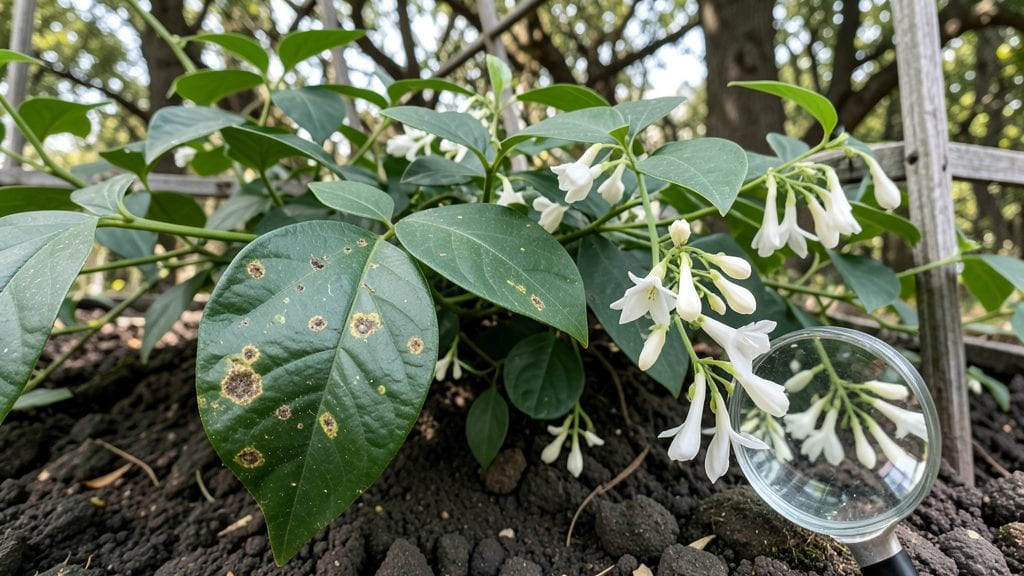
Jasmine plant fungus ruins that sweet fragrance faster than you can say "springtime blooms." 🌿 I’ve watched powdery mildew turn lush vines into sad, whitewashed skeletons—and root rot turn healthy roots into mushy messes. The good news? Catching it early means saving your plant with simple fixes.
The worst offenders are powdery mildew (that chalky white dust) and root rot (wilting despite damp soil). Both thrive in humidity, poor airflow, or overwatering. My first mistake?
Ignoring yellowing leaves until the fungus had a full party. Now I check undersides of leaves weekly—especially after rain or when humidity spikes.
You’ll stop the spread with neem oil sprays, copper fungicides, or baking soda mixes for mild cases. For root rot, prune infected roots and repot in fresh, sterile soil. The key? Act fast—once fungus takes hold, even organic treatments can’t undo the damage overnight.
Prevention is easier: water at the base (not overhead), space plants for airflow, and sanitize pruners between cuts. My jasmine bushes now stay fungus-free year-round—here’s how to make that happen for yours.
Why it happens
Fungal infections in jasmine plants—whether they’re the delicate Jasminum officinale or hardier varieties like star jasmine (Trachelospermum jasminoides)—rarely happen by accident. These pathogens thrive when specific conditions align, turning your lush vines into a buffet.
Below, we break down the key triggers that invite fungal invaders, so you can address them before they take hold.
🌧️ Overhead Watering and Poor Drainage
Fungi love moisture—especially when it lingers. Jasmine plants are not water-hogging succulents; their roots need well-draining soil and bottom-watering (not top-down drenching). Here’s why this matters:
- Splashback spread: Overhead watering (like from sprinklers or hand-held hoses) splashes fungal spores from soil onto leaves, creating perfect entry points.
- Soggy soil = fungal smorgasbord: Waterlogged roots weaken the plant’s defenses, while excess moisture on foliage (like dew or rain) creates a humid microclimate—ideal for Botrytis (gray mold) or Powdery Mildew.
- Root rot’s gateway: Poor drainage traps water at the roots, inviting Phytophthora or Pythium, which then spread upward.
Actionable fix: Use drip irrigation or soaker hoses to deliver water at soil level. Amend heavy clay soil with perlite or sand, and ensure pots have drainage holes. Water in the early morning so foliage dries by nightfall.
🌡️ Humidity and Temperature Mismatches
Jasmine plants adore warmth but hate being stuck in a sauna. Fungal spores germinate fastest when humidity hovers above 75% and temps sit in the 60–80°F (15–27°C) range—especially at night. Here’s the science:
- Condensation = fungal playground: Cool nights + warm days create dew or condensation on leaves, trapping moisture against the plant’s surface.
- Slow evaporation: Dense foliage (like jasmine’s vines) blocks airflow, keeping humidity trapped near the plant.
- Stress from extremes: Sudden temperature drops (e.g., cold drafts near AC vents or chilly overnight dips) weaken the plant’s cuticle, making it easier for fungi to penetrate.
Actionable fix:
- 🌡️ Monitor humidity: Use a hygrometer and aim for 40–60% during the day. A small fan on low can improve airflow.
- ❄️ Avoid temperature swings: Keep jasmine away from doors/windows that open to cold air. In pots, move them indoors if night temps drop below 50°F (10°C).
- 💨 Prune for airflow: Thin out crowded vines to let light and air circulate through the center.
🍄 Contaminated Tools or Soil
Fungal spores are everywhere—in soil, on garden tools, and even in potting mixes. If you’ve reused containers, tools, or compost without sterilizing them, you’re basically inviting a fungal house party. Here’s how it happens:
- Soil-borne spores: Pathogens like Fusarium or Rhizoctonia can lie dormant in old soil for years, only activating when conditions are right.
- Tool transmission: Pruners, shears, or even your fingers can carry spores from infected plants to healthy ones. A single cut with a contaminated blade can introduce fungi into fresh wounds.
- Compost risks: Fresh, uncooked compost (especially from yard waste) can harbor fungal spores. While "hot" composting kills most pathogens, improperly aged compost is a ticking time bomb.
Actionable fix:
- 🧼 Sterilize tools: Wipe pruners with 70% isopropyl alcohol or a 10% bleach solution between cuts. For severe infections, boil tools for 10 minutes.
- 🌱 Fresh potting mix: Use sterilized or pasteurized potting soil (heat-treated to kill pathogens). Avoid garden soil unless you’ve tested it.
- 🔥 Disinfect containers: Scrub pots with soapy water, then rinse with a 1:10 bleach-water mix. Let dry in the sun before reuse.
🌿 Weakened Plant Defenses
A healthy jasmine plant is like a fortress with guards at every gate—its waxy cuticle, strong roots, and natural antimicrobial compounds keep fungi at bay. But when the plant is stressed, those defenses crumble. Common stressors include:
- Nutrient deficiencies: Lack of magnesium (causing yellowing between veins) or phosphorus weakens cell walls, making them easier targets.
- Over-fertilization: Too much nitrogen promotes soft, lush growth that’s highly susceptible to fungal infections.
- Physical damage: Broken stems, insect bites, or even hail create open wounds where spores can enter.
- Pests as co-conspirators: Sap-sucking insects (like spider mites or aphids) weaken the plant and spread fungal spores on their bodies.
Actionable fix:
- 📊 Test soil pH: Jasmine thrives in 6.0–7.0 pH. Use a lime (to raise pH) or sulfur (to lower it) if needed.
- 🍽️ Balance fertilizers: Use a slow-release, balanced formula (e.g., 10-10-10) and reduce nitrogen if growth looks too soft.
- 🛡️ Boost resilience: Apply a seaweed-based fertilizer or compost tea to strengthen natural defenses.
Fixing Fungal Issues Fast
Fungal infections in jasmine plants can feel like a losing battle, but with the right approach, you can reverse the damage and protect your greenery. Below, we’ve mapped the most common causes to practical fixes, so you can act quickly and prevent future outbreaks.
Think of this as your emergency repair kit for fungal troubles—no gardening degree required!
Cause: Overwatering, poor drainage, or soggy soil creates the perfect fungal buffet for Phytophthora or Pythium.
How to Fix It:
- 🚰 Drain the Damage
- Gently remove the plant from its pot and rinse the roots with clean water to wash away excess soil.
- Trim any black, mushy roots with sterilized scissors (dip in rubbing alcohol between cuts).
- 🌱 Repot with Fresh Soil
- Choose a well-draining potting mix (add perlite or sand if yours is heavy).
- Pick a pot with drainage holes—no exceptions!
- 💧 Adjust Your Watering Habits
- Let the top 1–2 inches of soil dry out before watering again.
- Water at the base (not overhead) to avoid wetting leaves.
💡 Prevention Tip:
- Test your soil’s moisture by sticking your finger in—if it’s damp past your first knuckle, wait.
- Elevate pots on saucers or stands to improve airflow.
Cause: Fungi like Alternaria or Septoria thrive in humid, damp conditions, especially on wet foliage.
How to Fix It:
- 🧼 Prune the Problem Areas
- Snip off spotted or yellowing leaves with clean shears, then dispose of them in the trash (not compost).
- 🧴 Fungal Spray Attack
- Mix 1 tsp baking soda + 1 quart water + a drop of dish soap (spray on leaves).
- For stubborn cases, use a copper fungicide (follow label instructions).
- 🌬️ Boost Airflow
- Space plants 3–6 inches apart to improve circulation.
- Avoid crowding near walls or other plants.
💡 Prevention Tip:
- Water in the morning so leaves dry by evening—fungi love overnight dampness.
- Space out waterings—jasmines prefer moderate moisture, not soggy conditions.
Cause: High humidity + poor airflow = Erysiphe fungus throwing a party on your leaves.
How to Fix It:
- 🧼 Scrub Gently
- Dip a soft cloth in mild soapy water and wipe off mildew (don’t tear leaves!).
- 🌿 Natural Fungicide Spray
- Mix 1 tbsp neem oil + 1 tsp horticultural oil + 1 quart water—spray every 7–10 days until gone.
- 🌬️ Increase Airflow
- Use a small fan on low setting near the plant (trust us, it works!).
- Prune nearby plants to open up the space.
💡 Prevention Tip:
- Avoid overhead watering—use a watering wand or drip irrigation instead.
- Rotate pots occasionally so all sides get sunlight (fungi hide in shady spots).
Cause: Fungal invaders like Botrytis or Fusarium sneak in through wounds or wet stems.
How to Fix It:
- 🔪 Cut It Out
- Use sterilized pruners to remove rotted stem sections (healthy tissue should be firm and green).
- Dip cuts in cinnamon powder (natural antifungal) or hydrogen peroxide (3%).
- 🌱 Repot with Sterile Soil
- Replace old soil with fresh, sterile potting mix.
- Add a thin layer of gravel at the bottom for extra drainage.
- 🚫 Stop Watering from Above
- Water only at the base and avoid wetting stems.
💡 Prevention Tip:
- Disinfect pruners with rubbing alcohol before and after trimming.
- Avoid wounding stems when staking or tying plants.
No matter the issue, these extra steps help strengthen your jasmine’s immunity:
- 🌞 Sunlight is Key: Ensure 6+ hours of sunlight daily—fungi love shade.
- 🍄 Probiotic Soil: Add mycorrhizal fungi (available at garden centers) to crowd out bad fungi.
- 🧴 Copper or Sulfur Sprays: Use preventatively in humid seasons (spring/fall).
Final Reminder: Fungal issues are manageable—the key is acting fast and preventing recurrence. With these fixes, your jasmine will be back to blooming in no time! 🌸
Frequently asked questions
What are the first signs my jasmine plant has fungus?
Watch for white powdery coatings (powdery mildew) or yellow/brown leaf spots (leaf spot diseases). Root rot shows as wilting despite damp soil and black, mushy roots. Check leaf undersides weekly—fungus often starts there before spreading. Early detection means easier treatment!
Can I still save my jasmine if it's already covered in fungus?
Yes, but act fast! For powdery mildew, prune infected leaves and spray with a neem oil mix (1 tbsp oil + 1 quart water). For root rot, trim mushy roots, repot in fresh soil, and adjust watering. Severe cases may need copper fungicide—but the sooner you treat, the better the recovery.
How often should I spray my jasmine with fungicide?
For prevention, spray every 2-3 weeks during humid seasons (spring/fall). If treating an active infection, apply every 7-10 days until symptoms disappear. Neem oil or baking soda sprays (1 tsp baking soda + 1 quart water) are great for mild cases. Always spray in the early morning so leaves dry quickly.
Will fungicides harm my jasmine's flowers or bees?
Most organic fungicides (neem oil, copper, sulfur) are safe when used correctly. Avoid spraying in full bloom to protect pollinators. For chemical options, choose low-toxicity products labeled for ornamental plants and apply after bees are inactive (early morning or evening). Always follow label instructions!
Can I reuse soil from a jasmine plant that had fungus?
No—fungal spores can survive in soil for years. Dispose of infected soil (don't compost it) and use fresh, sterile potting mix when repotting. If you must reuse containers, sterilize them with a 1:10 bleach-water mix or baking in the oven at 200°F for 30 minutes. Prevention is key!