Diseases
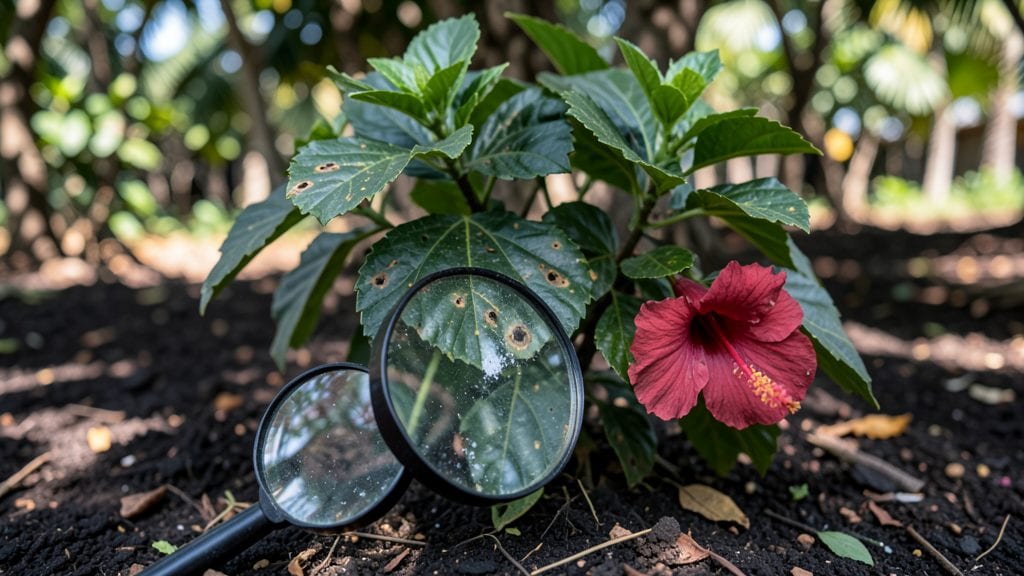
Hibiscus plant diseases can turn those stunning blooms into a sad, spotted mess if you don’t catch them early. I’ve seen healthy hibiscus bushes go from vibrant reds to yellowing leaves in just weeks—until I learned to spot the warning signs like leaf spots, wilting, or strange growths.
The key is acting fast before the fungus or bacteria spread.
Most hibiscus diseases start with fungal spores or bacterial infections hiding in damp soil, poor airflow, or old plant debris. Overwatering is the biggest culprit—hibiscus roots need breathing room, not soggy conditions.
Once you recognize the symptoms, you can treat them with organic sprays, copper fungicides, or even a simple pruning to remove infected parts.
With the right approach, you’ll save your hibiscus and keep those dramatic blooms coming all season. Think of it like a doctor’s visit for your plant—early diagnosis means a full recovery. We’ll cover the most common threats and how to stop them before they take hold.
Whether you’re dealing with rust, anthracnose, or bacterial blight, this guide gives you the tools to diagnose and treat it. The goal? A hibiscus that stays as healthy as it is showstopping. Let’s get those plants back in fighting shape.
Root Causes of Hibiscus Ailments
Understanding why hibiscus plants fall prey to diseases starts with unraveling the environmental and biological triggers that create the perfect storm for pathogens. These vibrant tropical plants, while resilient, are not immune to the pressures of their surroundings.
Below, we break down the key reasons behind their susceptibility, blending science with practical insights.
Fungal infections like anthracnose and root rot thrive when hibiscus plants are bathed in excess moisture—whether from overwatering, poor drainage, or humid climates. Here’s why:
- Poor Air Circulation: Hibiscus leaves retain moisture longer in crowded or shaded spots, creating a damp microclimate that fungi love. Fungal spores land on leaves and stems, germinate, and spread rapidly in these conditions. - Waterlogged Soil: Hibiscus roots need oxygen to breathe.
When soil stays soggy for days (or worse, weeks), roots suffocate, weaken, and become prime targets for Phytophthora and Pythium fungi. These pathogens clog root tissues, cutting off nutrient flow and leading to wilting or sudden death. - Humidity Spikes: Tropical hibiscus adores warmth but despises stagnant humidity.
High humidity without airflow (like in greenhouses or dense foliage) allows fungal spores to germinate faster. Alternaria and Botrytis (gray mold) exploit this by forming thick, spore-laden mats on leaves.
Pro Tip: 💡 Space plants 3–4 feet apart for airflow, and water at the base—not overhead—to keep leaves dry.
Bacterial diseases like bacterial blight and leaf spot don’t just appear—they exploit weaknesses. Hibiscus plants are especially vulnerable when:
- Physical Damage: Pruning cuts, insect bites, or hail scars create open wounds where bacteria (Xanthomonas or Pseudomonas) can slip in.
These bacteria multiply in the plant’s sap, clogging vascular tissues and causing wilting, oozing lesions, or yellowing (a classic sign of bacterial blight). - Stress from Poor Care: Underwatered or over-fertilized hibiscus plants produce weak, thin leaves—easy pickings for bacteria.
Stress also lowers the plant’s natural phenolic compounds, which normally act as a chemical barrier against pathogens. - Tool Contamination: Reusing pruners or knives without sterilizing them (e.g., with rubbing alcohol) spreads bacteria from infected plants to healthy ones.
A single contaminated cut can turn a thriving hibiscus into a bacterial hotspot in weeks.
Pro Tip: ✨ Sterilize tools with a 1:10 bleach-water mix between cuts, and avoid pruning during wet weather to let wounds dry faster.
Hibiscus plants are tropical divas—they hate extremes. When their environment veers too far from ideal (60–85°F and consistent moisture), their immune system falters:
- Temperature Swings: Sudden cold snaps (below 50°F) or heatwaves (above 95°F) shock hibiscus, making them more susceptible to powdery mildew or rust fungi.
Cold stress also reduces chlorophyll production, turning leaves pale and starving the plant of energy to fight off pathogens. - Nutrient Imbalances: Too much nitrogen (from over-fertilizing) promotes lush, soft growth—perfect for fungal infections.
Conversely, deficiencies in potassium or calcium weaken cell walls, making them easier for pathogens to breach. A soil test can reveal if your hibiscus is malnourished. - Pests as Pathogen Partners: Insects like aphids or whiteflies don’t just sap nutrients—they spread diseases.
Their honeydew (sticky residue) feeds sooty mold fungi, while their feeding wounds invite secondary infections.
Pro Tip: 🌡️ Monitor soil pH (aim for 6.0–6.5) and use slow-release fertilizers to avoid nutrient spikes. Mulch with compost to insulate roots from temperature shocks.
Not all hibiscus diseases announce themselves with visible symptoms. Some lurk in the soil, waiting for the right moment to strike:
- Contaminated Soil: Reusing garden beds without sterilizing them (via solarization or fungicides) can introduce sclerotia (fungal survival structures) or bacterial cysts.
These pathogens persist for years, infecting new hibiscus roots as they grow. - Competing Microbes: Healthy soil teems with beneficial bacteria and fungi that outcompete pathogens.
However, over-sanitizing soil (e.g., with harsh chemicals) or monocropping hibiscus (planting the same species repeatedly) disrupts this balance, allowing harmful microbes to dominate. - Poor Drainage: Clay-heavy or compacted soil traps water, creating anaerobic zones where root-rotting fungi thrive.
Even well-draining soil can become problematic if amended incorrectly (e.g., adding too much sand without organic matter).
Pro Tip: 🏗️ Before planting, mix in compost or coconut coir to improve drainage and microbial diversity. Rotate hibiscus with unrelated plants (like marigolds) to break disease cycles.
Quick Fixes for Sick Hibiscus
Reviving your hibiscus doesn’t have to be a guessing game. Once you’ve pinpointed the issue—whether it’s fungal spots, bacterial rot, or pest invasions—here’s how to tackle it fast and effectively.
Below, we map each problem to its solution, with step-by-step fixes and prevention tips to keep your plant thriving. Let’s get your hibiscus back to its vibrant, blooming best!
Fungi like powdery mildew, leaf spot, or rust thrive in damp conditions. Act now to prevent them from spreading to healthy leaves.
🔥 Remove Infected Parts
- Step 1: Snip off yellowed, spotted, or moldy leaves with sterilized pruning shears (wipe with rubbing alcohol between cuts).
- Step 2: Dispose of infected foliage in the trash not the compost—fungi can survive and reinfect.
- Pro Tip: 💡 If the infection is severe, trim back 1/3 of the plant to improve airflow and reduce humidity around the remaining leaves.
🍳 Fungicide Treatment
- Step 1: Mix a copper fungicide (like copper sulfate) or a baking soda spray (1 tsp baking soda + 1 quart water + a few drops of dish soap).
- Step 2: Spray both sides of all leaves thoroughly, focusing on undersides where spores hide.
- Step 3: Reapply every 7–10 days until new growth appears without spots.
- Pro Tip: 🌡️ Morning spray works best—wet leaves dry faster in sunlight, reducing fungal growth.
🌬️ Improve Airflow & Light
- Step 1: Space plants at least 2–3 feet apart to reduce humidity buildup.
- Step 2: Move the hibiscus to a sunnier spot (6+ hours of direct light daily) to dry leaves faster.
- Step 3: Use a fan on low for 1–2 hours daily to circulate air around the plant.
🚫 Prevention Checklist
✅ Water at the base (avoid overhead spraying). ✅ Prune regularly to remove crowded or dead branches. ✅ Clean tools after each use to prevent cross-contamination.
Bacterial infections (like bacterial blight or leaf spot) cause oily spots and slimy stems. These spread fast—act immediately!
🔪 Prune & Sterilize Aggressively
- Step 1: Cut off all infected leaves, stems, and flowers—don’t leave anything behind.
- Step 2: Dip pruners in bleach (1 part bleach to 10 parts water) for 30 seconds between cuts.
- Pro Tip: 🔥 If the stem is mushy or oozing, the plant may be beyond saving—remove it entirely to protect others.
🧼 Antibacterial Spray
- Step 1: Mix a hydrogen peroxide spray (1 tbsp 3% hydrogen peroxide per 1 quart water) or a neem oil solution (1 tsp neem oil + 1 quart water + a drop of soap).
- Step 2: Spray every 5–7 days for 2–3 weeks.
- Pro Tip: 🎯 Early morning applications work best—avoid spraying in direct sun to prevent leaf burn.
🏝️ Isolate the Plant
- Step 1: Move the hibiscus away from other plants (at least 3 feet) until symptoms disappear.
- Step 2: Avoid touching healthy plants with tools or hands used on the infected one.
- Pro Tip: ✨ Disinfect your hands with soap and water after handling the sick plant.
🚫 Prevention Checklist
✅ Avoid overhead watering—use drip irrigation or a watering can with a narrow spout. ✅ Remove fallen leaves regularly—bacteria can hitchhike on debris. ✅ Rotate plants to prevent soil-borne bacteria from building up in one spot.
Aphids, spider mites, and whiteflies weaken hibiscus by sucking sap. Knock them out without chemicals if possible.
👨🍳 DIY Pest Sprays
- Step 1: Soapy water spray (1 tsp mild dish soap + 1 quart water). Spray directly on pests (they’ll drop off).
- Step 2: Neem oil spray (1 tbsp neem oil + 1 tsp soap + 1 quart water).
Spray every 5–7 days for 2 weeks. - Step 3: Alcohol wipe (70% isopropyl alcohol on a cotton swab) for stubborn pests like mealybugs. - Pro Tip: 🌿 Release ladybugs or lacewings—they’re natural pest predators!
🌿 Physical Removal
- Step 1: Blast pests off with a strong stream of water from a hose.
- Step 2: Wipe leaves with a damp cloth to remove eggs and webbing.
- Pro Tip: 💡 Check undersides of leaves—that’s where pests hide!
🚫 Prevention Checklist
✅ Inspect new plants before bringing them home (quarantine for 2 weeks). ✅ Encourage beneficial insects by planting marigolds or basil nearby. ✅ Keep soil healthy—stressed plants attract more pests.
No matter the issue, these universal fixes help hibiscus bounce back:
- 💧 Water Deeply but Less Often – Let the top 1–2 inches of soil dry between waterings. - 🌞 Boost Light Exposure – Hibiscus needs full sun (6+ hours daily).
Supplement with a grow light if indoors. - 🌿 Fertilize Smartly – Use a balanced, water-soluble fertilizer (like 10-10-10) every 4–6 weeks in growing season. Stop fertilizing if the plant is stressed or recovering. - 🔄 Repot if Needed – If roots are circling or soil is compacted, repot into fresh, well-draining mix (add perlite or sand for aeration).
Final Reminder: 🌟 Prevention is easier than cure! Regular checks, proper care, and quick action at the first sign of trouble will keep your hibiscus disease-free and blooming for years. Happy gardening! 🌸
Frequently asked questions about hibiscus plant diseases
What are the first signs my hibiscus has a fungal infection?
Watch for dark brown or yellow spots with fuzzy edges on leaves—classic signs of powdery mildew or leaf spot. Rust diseases show up as orange pustules on undersides, while stem rot causes blackened, mushy stems at the base. Act fast by removing infected parts and improving airflow.
Can I save my hibiscus if the stems are oozing yellow liquid?
That yellow ooze means bacterial blight—your plant is likely beyond saving. Remove it immediately to prevent spreading to nearby plants. Sterilize your tools with bleach solution (1:10 ratio) to kill bacteria on contact. Focus on preventing future infections by watering at the base and avoiding overhead spraying.
How often should I spray fungicide on my hibiscus?
Apply fungicide every 7–10 days during active growth (spring-fall) if you’ve had fungal issues. For prevention, a baking soda spray (1 tsp baking soda + 1 quart water) every 2–3 weeks helps create a protective barrier. Always spray in the early morning so leaves dry quickly in sunlight.
Will neem oil work for bacterial diseases in hibiscus?
Neem oil is best for fungal infections and pests, not bacterial diseases. For bacteria, use hydrogen peroxide spray (1 tbsp per quart of water) or copper-based bactericides. Neem can still help by reducing plant stress, which makes hibiscus more resistant to secondary infections.
Why does my hibiscus get diseases even when I water it properly?
Poor drainage or compacted soil can trap excess moisture at root level, even if you water correctly. Test your soil—hibiscus need well-draining mixes with perlite or sand. Also check for pests like aphids, which create wounds where bacteria/fungi enter, or crowded planting that blocks airflow.