
Planting
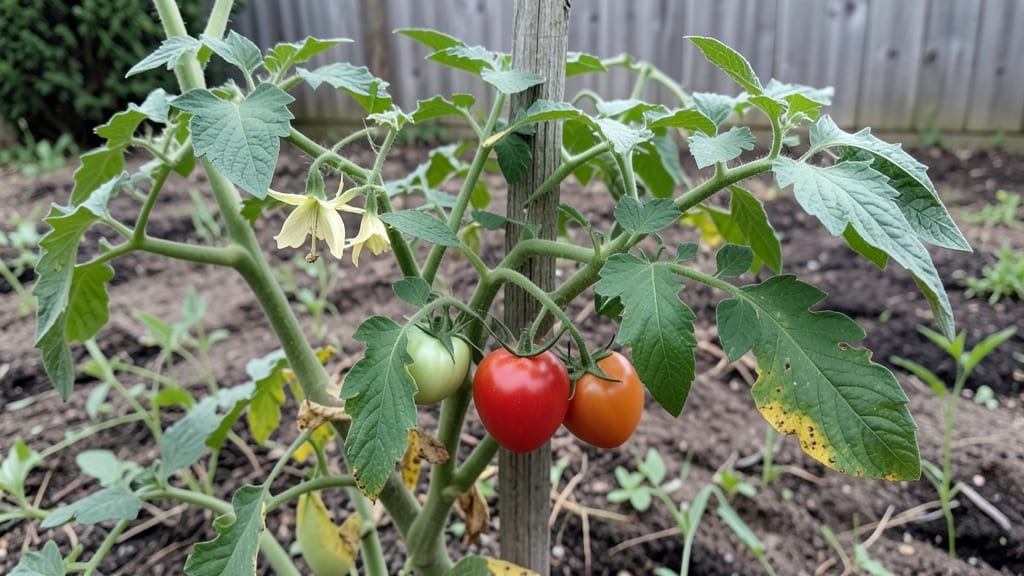
Understanding tomato plant size is the first step to a garden that thrives without chaos—because a 6-foot vine in a 12-inch pot is a recipe for disaster.
Did you know some tomato varieties stretch toward the sky like jungle vines, while others stay small enough to tuck onto a sunny windowsill?
The difference isn’t just aesthetics—it’s about how much space you need, how you’ll support them, and whether you’ll be picking tomatoes or wrestling with unruly growth by midsummer.
In USDA Zone 6a, where spring planting kicks off in April, getting this right means the difference between a bountiful harvest and a garden full of frustrated sighs.
Whether you’re working with compact cherry tomatoes or towering beefsteaks, spacing, pruning, and support all hinge on one thing: knowing how big your plants will get.
Here’s how to match your tomato varieties to your space, control their growth without sacrificing yield, and avoid the common mistakes that leave gardeners scrambling for stakes by July.


Tomato plant size variations: determinate vs indeterminate growth habits
When planning your tomato garden, one of the first decisions you'll face is choosing between determinate and indeterminate varieties. These two growth habits have completely different mature sizes and yield patterns, which will impact everything from your garden layout to your harvest strategy.
Determinate tomatoes are the compact, bushy types that top out at 3-5 feet tall, while indeterminate varieties can stretch skyward to 6-12+ feet with proper support.
If you've ever struggled with overcrowded tomato plants or wondered why some varieties produce all their fruit at once while others keep giving all season, the answer lies in these growth habits. Understanding their differences is the key to selecting the perfect varieties for your space and growing goals.
Let's break down how these two types grow, their ideal planting scenarios, and how to maximize your harvest from each.
🌱 Comparison Table: Determinate vs Indeterminate Tomatoes
Determinate tomatoes are the perfect choice if you're working with limited space or prefer a low-maintenance approach. Their compact size makes them ideal for container growing or tight garden beds.
Popular varieties like Roma and Celebrity produce all their fruit at once, which is great for canning or making sauces when you need a large harvest in a short window.
Indeterminate varieties, on the other hand, are the continuous producers that keep giving fruit until frost. This makes them perfect for fresh eating all season long. However, their tall growth habit requires more planning.
You'll need sturdy trellising systems or cage supports to handle their weight, especially when laden with fruit. Varieties like Sungold cherry tomatoes can easily reach 10 feet or more with proper care.
One common misconception is that indeterminate tomatoes always outperform determinate varieties in yield. While they do produce fruit all season, determinate plants often have a higher single-season yield because they put all their energy into fruit production at once.
For example, a Celebrity tomato determinate plant might produce 20-30 pounds of tomatoes in just a few weeks, while an indeterminate plant like Better Boy might produce 10-15 pounds over several months.
The choice between these growth habits often comes down to your personal preferences and garden conditions. If you love the idea of fresh tomatoes all summer and have space for tall supports, indeterminate varieties are a fantastic choice.
But if you prefer a quick, concentrated harvest or are limited on space, determinate tomatoes might be your best bet. Many gardeners actually grow both types to enjoy the benefits of each throughout the season.
For container gardeners, determinate varieties are almost always the better choice due to their compact size. A 5-gallon container can easily accommodate a determinate tomato plant, while indeterminate varieties typically need at least a 15-gallon container to support their vining growth.
If you're growing in containers, look for dwarf or patio varieties like Tiny Tim or Micro Tom, which stay under 2 feet tall.
When planning your garden layout, remember that indeterminate tomatoes need more space between plants to accommodate their spreading vines. While determinate plants can often be spaced 18-24 inches apart, indeterminate varieties typically need 24-36 inches of clearance.
This extra space helps prevent disease spread by improving air circulation around the plants.
🌿 Whether you choose determinate or indeterminate tomatoes, understanding their growth habits will help you create a more productive and enjoyable gardening experience. Start with small test plots if you're new to tomato growing—try one determinate and one indeterminate variety side by side to see which you prefer.
You might be surprised by how differently they perform in your specific climate and soil conditions!
Optimal spacing for tomato plants by size and variety
Proper tomato plant spacing isn't just about fitting them into your garden—it's about preventing disease, maximizing airflow, and ensuring each plant gets the nutrients it needs. Determinate tomatoes (bush types) stay compact, while indeterminate varieties can climb like vines.
I've learned the hard way that cramming plants together leads to crowded foliage, which traps moisture and invites fungal problems like blight.
Spacing also affects yield quality. Too close, and your tomatoes will be smaller and less flavorful. Too far apart, and you waste valuable garden space. The key is balancing plant size, growth habit, and your garden's layout.
For example, a cherry tomato vine left unchecked can sprawl 10 feet wide, while a Roma tomato bush stays neatly contained at 3 feet.
🌱
For determinate tomatoes, I recommend spacing them 18-24 inches apart in rows that are 2-3 feet apart. This gives them room to spread while keeping the foliage from touching.
If you're growing cherry tomatoes like 'Sungold', you can space them slightly closer (18 inches) since they produce smaller fruit. Always pair them with cages or stakes to prevent sprawling.
When dealing with indeterminate varieties, think vertically. These plants can grow 6-12 feet tall if left unchecked, so I space them 24-36 inches apart and use trellises or tall stakes. Proper support isn't just about height—it's about air circulation.
Without it, moisture lingers on leaves, creating the perfect conditions for early blight or powdery mildew. I've seen vines double in size in a single season, so plan accordingly!
If you're growing tomatoes in containers or raised beds, reduce spacing slightly (12-18 inches for determinate, 18-24 inches for indeterminate) since roots are confined. However, never skimp on vertical support—even dwarf varieties benefit from a small cage or stake to keep stems upright and prevent disease.
I once grew 'Tiny Tim' tomatoes without support, and by mid-summer, they were flopping over like overripe fruit!
🌿