Pests
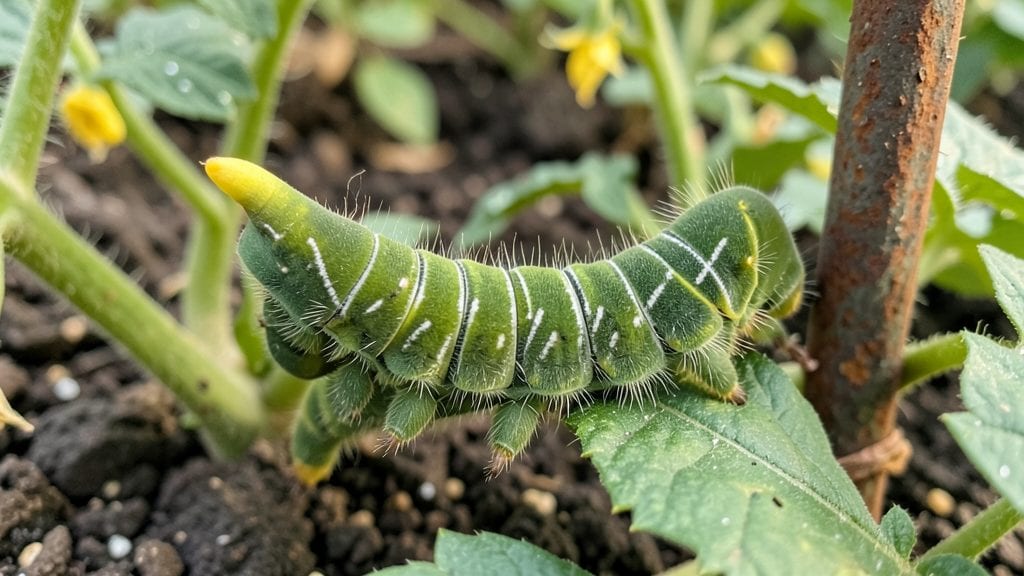
Tomato plant caterpillars can strip your plants bare in days—unless you act fast. 🌱 I’ve lost entire tomato plants to hornworms and loopers, but these three simple steps saved my harvest last summer without chemicals.
The key is catching them early, when damage is just starting, not when your plants look like Swiss cheese.
Most caterpillars—like the green hornworm or tomato looper—hide on the undersides of leaves during the day. Check your plants every 2-3 days at dawn or dusk when they’re most active.
A quick spray of soapy water (1 tablespoon mild soap per gallon) knocks them off instantly, and it’s safe for your tomatoes. For stubborn infestations, neem oil disrupts their life cycle without harming bees or butterflies.
By the time you spot the first caterpillar, your plants can bounce back if you act quickly. I’ve seen tomatoes recover from 50% defoliation in just a week with consistent checks and organic sprays.
The best part? Your veggies stay chemical-free, and you’ll even attract beneficial predators like parasitic wasps that keep caterpillars in check naturally.
This works for all tomato varieties, from cherry to heirloom, and even saves your peppers and eggplants. The secret is prevention + speed—once you spot one caterpillar, others are usually close behind. Let’s keep your garden thriving without the worry.
The Real Culprits Behind Leaf Munchers
When your tomato plants start looking like a caterpillar buffet, it’s not just bad luck—it’s usually a mix of environmental cues, plant vulnerabilities, and the relentless biology of hungry pests.
Understanding why these striped or fuzzy invaders show up is half the battle in stopping them. Let’s break down the science behind their uninvited feast.
Tomato plants are like an all-you-can-eat buffet for caterpillars because they’re packed with nutrients and soft, tender leaves. Here’s why they’re so irresistible:
- Rich in nitrogen: Healthy tomato foliage is high in nitrogen, which speeds up caterpillar growth. Think of it like a protein shake for bugs—fast digestion, rapid development.
- Scent signals: Tomato plants release volatile organic compounds (VOCs) when stressed (e.g., by drought or damage). These chemical signals act like a dinner bell, attracting moths and butterflies to lay eggs nearby.
- Juicy and tender: Young tomato leaves are soft and easy to chew, making them a caterpillar’s dream snack. Older, tougher leaves are less appealing, which is why you’ll often see damage concentrated on new growth.
Actionable insight: If your plants look stressed (wilting, yellowing, or overcrowded), they’re more likely to draw pests. Proactive care—like proper watering and spacing—can make them less appealing targets.
Caterpillars don’t just appear out of nowhere—they follow a precise life cycle tied to your tomato plant’s growth. Here’s how timing plays a role:
| Stage | What’s Happening | Why It Matters |
|---|---|---|
| 🦋 Adult Moths/Butterflies | Lay eggs on undersides of leaves (often after sunset to avoid predators). | Eggs hatch in 3–7 days, depending on temperature. Warmer nights = faster hatching. |
| 🐛 Tiny Caterpillars (Larvae) | Emerging caterpillars start feeding immediately. They grow rapidly, molting 4–5 times before pupating. | This is the most destructive phase. A single female moth can lay 500+ eggs, leading to an explosion of caterpillars in weeks. |
| 🪱 Pupae (Chrysalis) | Caterpillars burrow into soil or hide in leaf litter to transform into pupae. | This stage can last weeks to months, depending on the species. Some pupae overwinter, emerging next season. |
Actionable insight: Monitor your plants daily during peak season (spring to early summer) for egg clusters or tiny caterpillars. Early detection means fewer leaves lost to hunger.
Caterpillars thrive in specific conditions, and your local climate might be unknowingly inviting them to the party. Here’s how weather factors in:
- Warm, humid nights: Many moths and butterflies are nocturnal and prefer to lay eggs when temperatures are mild (60–80°F). Humidity keeps eggs from drying out.
- Rainfall patterns: A light rain can wash away some eggs, but heavy downpours can also trigger a population boom by providing moisture for surviving larvae.
- Drought stress: Stressed plants produce more scent signals (see above), and drought-weakened leaves are easier for caterpillars to consume.
- Sudden temperature swings: Some caterpillar species (like the tomato hornworm) accelerate growth in heatwaves, leading to faster defoliation.
Actionable insight: If you’re in a hot, humid region, caterpillars may be a yearly nuisance. Organic barriers like row covers can disrupt their life cycle before eggs hatch.
Caterpillars and their pupae need shelter to survive. If your garden is a cluttered jungle, you’re basically handing them free real estate. Common hiding spots include:
- Leaf litter and mulch: Pupae burrow into damp, decaying organic matter to transform. Thick mulch layers = caterpillar condos.
- Weeds and volunteer plants: Nearby plants (like nightshade or wild tomatoes) can host alternative food sources and egg-laying sites.
- Stems and cracks in soil: Some species (e.g., loopers) pupate in the soil near plant roots, making them hard to spot.
Actionable insight: Keep your garden tidy! Remove debris regularly and avoid over-mulching near tomato stems. A clean workspace = fewer caterpillar hideouts.
Now that you know why caterpillars target your tomatoes, the next step is turning the tables with organic defenses. Stay tuned!
Quick Fixes for Wormy Tomato Plants
When caterpillars crash your tomato party, don’t panic—just act! These practical, organic solutions target the root causes (literally and figuratively) and keep your plants thriving. Below, we map common issues to easy fixes, plus prevention tips to stop future invasions.
Problem: You’ve spotted chewed leaves, silken webs, or tiny green worms munching away. Fix: Combine immediate removal with long-term barriers to break their cycle.
1. 🔥 Handpick & Drop (The Old-School Win)
- Why it works: Caterpillars like hornworms and loopers are slow-moving—easy to spot and remove.
- How to do it:
- Morning or evening (when they’re sluggish), inspect leaves and stems.
- Drop them in soapy water (1 tbsp dish soap per gallon) or crush them (if you’re brave!).
- Check daily for 3–5 days to catch stragglers.
- Pro tip: 💡 Use a flashlight at night—some caterpillars hide under leaves when it’s dark.
2. 🍳 DIY Sprays (Non-Toxic & Effective)
| Solution | How to Use | Best For |
|---|---|---|
| Neem Oil Spray | Mix 1 tbsp neem oil + 1 tsp mild soap in 1 quart water. Spray evenly (top/bottom leaves). Repeat every 3–5 days. | Hornworms, tomato fruitworms |
| Bacillus Thuringiensis (Bt) | Sprinkle Bt powder on leaves or mix with water for a spray. Reapply after rain. | Young caterpillars (stomach poison) |
| Spinosad Spray | Follow label rates (usually 1–2 tbsp per gallon). Spray at dusk to avoid harming bees. | Armyworms, loopers |
| Garlic/Chili Pepper Spray | Blend 2 garlic cloves + 1 tbsp cayenne + 1 quart water. Strain and spray. Reapply weekly. | Deterrent + mild kill |
- Pro tip: 🌡️ Spray in the early morning so the solution dries before the sun intensifies (prevents plant burn).
3. 👨🍳 Physical Barriers (Stop Them Before They Start)
- Row Covers: Use floating row covers (lightweight fabric) over young plants to block moths from laying eggs.
- Collars: Wrap cardboard collars around stems (bury 1–2 inches in soil) to trap crawling caterpillars.
- Reflective Mulch: Lay aluminum foil or silver plastic around plants—caterpillars dislike the glare.
Problem: You don’t want a repeat infestation next season (or next week!). Fix: Disrupt their life cycle with these low-effort habits.
1. 🔪 Eliminate Eggs & Larvae (Before They Hatch)
- Inspect leaves daily—caterpillar eggs are tiny (round/oval, yellow/white).
Scrape them off with your fingernail. - Use a damp cloth to wipe down leaves weekly (removes eggs and dust that attracts pests). - Pro tip: ✨ Plant basil near tomatoes—its scent repels tomato hornworm moths.
2. 🌿 Companion Planting (Nature’s Pest Control)
| Plant | Why It Works |
|---|---|
| Marigolds | Release pyrethrum (natural insect repellent). Plant at the base of tomato plants. |
| Nasturtiums | Trap crop—caterpillars prefer nasturtiums over tomatoes. Plant as a border. |
| Dill/Cilantro | Attracts parasitic wasps that hunt caterpillars. |
| Onions/Garlic | Strong scent deters egg-laying moths. |
3. 🌙 Nighttime Patrols (When Moths Are Most Active)
- Install yellow lights (moths are attracted to them) near a soapy water trap to drown adults.
- Plant night-blooming flowers (like evening primrose) away from tomatoes to lure moths elsewhere.
- Pro tip: 🎯 Avoid white lights at night—they attract more moths than yellow or red bulbs.
4. 🍅 Healthy Plants = Strong Defense
- Water deeply but infrequently (wet leaves attract egg-laying moths).
- Prune lower leaves (keep them off the ground where eggs hide).
- Use balanced fertilizer (stressed plants attract more pests).
Final Reminder: Consistency is key! Check your plants every 2–3 days, especially after rain (which washes off sprays). With these steps, your tomato plants will stay worm-free and productive—no chemicals needed! 🍅💪
Frequently asked questions
What are the most common tomato plant caterpillars I should watch for?
The two biggest troublemakers are the tomato hornworm (large green with white stripes) and the tomato looper (smaller, with a looping movement). Hornworms can grow up to 4 inches long and devour leaves overnight! Look for chewed leaves with black droppings—those are their calling cards.
How do I know if my tomato plants have caterpillars before I see them?
Watch for these early signs: tiny white eggs on leaf undersides, silken webs (especially on loopers), or new holes in leaves that appear overnight. Check leaves at dawn or dusk when caterpillars are most active—you’ll often spot them hiding under foliage.
Is it safe to use chemical pesticides on tomato plants?
Only as a last resort! Most chemical pesticides harm beneficial insects like bees and ladybugs. For edible crops, stick to organic solutions first—neem oil, Bt (Bacillus thuringiensis), or spinosad are safer alternatives. If you must use chemicals, apply early in the morning to minimize bee exposure.
Will my tomato plants recover if caterpillars have already eaten most of the leaves?
Yes, but only if 25-50% of foliage remains. Tomato plants can regrow leaves quickly, but severe defoliation weakens them and reduces fruit production. Prune damaged leaves to encourage new growth and keep plants healthy. If over 50% is gone, consider replacing the plant.
Can I reuse last year’s row covers to protect my tomatoes?
Row covers last 3-5 years if stored properly in a dry place. Just give them a good shake to remove debris before reuse. For best results, install covers before flowering—this blocks moths while still allowing pollination (if using breathable fabric).