Fertilization
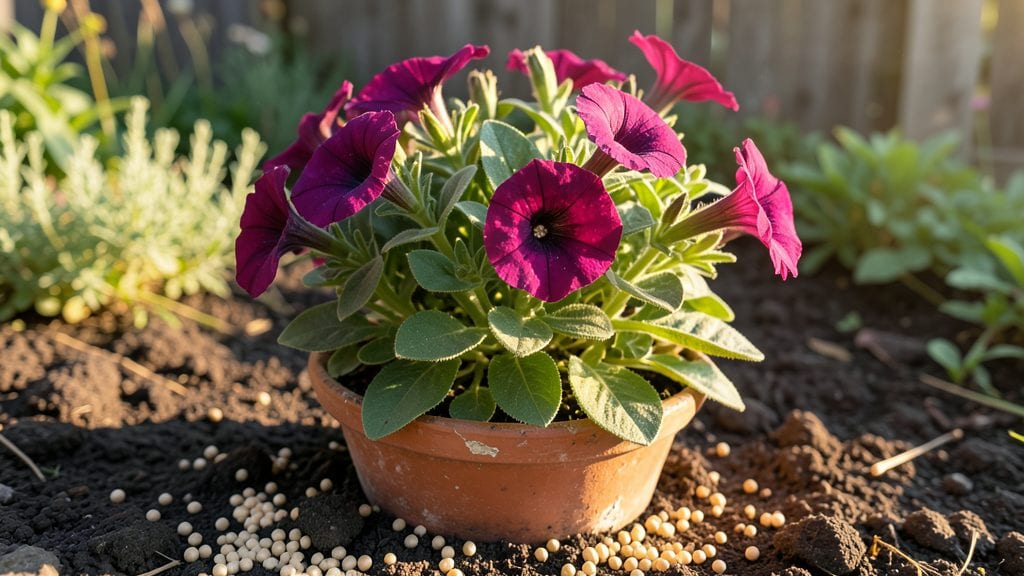
Plant food essentially acts as a nutritional supplement for your garden or houseplants, ensuring they get the building blocks they need to thrive. 🌱 The right fertilizer can transform struggling plants into lush, vibrant specimens by addressing deficiencies—like yellowing leaves from nitrogen shortages or weak stems from potassium deficits.
For example, leafy greens thrive with nitrogen-rich fertilizers, while flowering plants benefit most from phosphorus-heavy blends. Understanding your plants' needs is the first step to selecting the perfect "meal plan" for their growth stages.
💡 In This Article
- Key Nutrients in Plant Food and Their Roles
- How to Match Fertilizer Types to Your Plants
Key nutrients in plant food and their roles
Every plant relies on a precise balance of nutrients to grow, and the three primary elements—nitrogen (N), phosphorus (P), and potassium (K)—form the foundation of plant food.
These are often listed on fertilizer labels as NPK ratios (like 10-10-10), where each number represents the percentage of that nutrient by weight. Nitrogen fuels leafy growth, phosphorus strengthens roots and flowers, and potassium enhances disease resistance and water regulation.
For example, a tomato plant might need a 5-10-10 blend to support its heavy fruit production, while a lawn thrives on high-nitrogen (30-0-4) fertilizers for rapid green growth.
The science behind these nutrients is fascinating. Nitrogen is absorbed as nitrate ions (NO₃⁻) and incorporated into proteins and chlorophyll, which gives leaves their green color. Without enough nitrogen, plants develop pale, yellowish leaves—a condition called chlorosis.
Phosphorus, on the other hand, helps plants convert energy and store it in seeds and fruits. A deficiency shows up as dark, purplish leaves, especially on younger growth. Potassium acts like a plant’s quality control system, regulating enzymes and maintaining cell turgor (the pressure that keeps stems rigid).
When potassium is lacking, plants may exhibit weak stems, poor fruit quality, or increased susceptibility to pests.
Beyond the NPK trio, micronutrients like iron, magnesium, and zinc play critical roles in plant metabolism. Iron, for instance, is essential for chlorophyll production, and its deficiency causes yellowing between leaf veins (interveinal chlorosis), even when nitrogen levels are adequate.
Magnesium, the center of the chlorophyll molecule, is often leached from soil by heavy rains, leading to yellow patches on older leaves. These micronutrients are typically present in smaller quantities but are just as vital—think of them as vitamins for your plants. 🌱
Understanding these roles helps you diagnose plant problems. For example, if your houseplants have crispy, brown leaf edges, potassium deficiency is often the culprit. Or if your roses produce buds but fail to bloom, phosphorus might be the missing link.
Soil tests can reveal exactly what your plants are lacking, but even without one, observing leaf symptoms can guide your fertilizer choices. Organic options like bone meal (high in phosphorus) or compost tea (rich in micronutrients) can address specific deficiencies naturally.
Don’t overlook the role of secondary nutrients like calcium and sulfur, which support cell structure and enzyme function. Calcium, for instance, prevents blossom-end rot in tomatoes by strengthening cell walls. Meanwhile, sulfur contributes to protein synthesis and acidifies soil slightly, making other nutrients more available.
Balancing all these elements ensures your plants don’t just survive—they thrive. The key is matching the fertilizer to the plant’s stage of growth, whether it’s leafy greens, flowering, or fruiting. 💫
For instance, vegetable gardens often benefit from a balanced 10-10-10 fertilizer early in the season, followed by a phosphorus-heavy (5-10-5) blend when flowering begins. Meanwhile, lawns need frequent nitrogen applications to maintain their vibrant green color.
The right plant food isn’t just about feeding your plants—it’s about feeding them correctly for their unique needs.