
Diseases
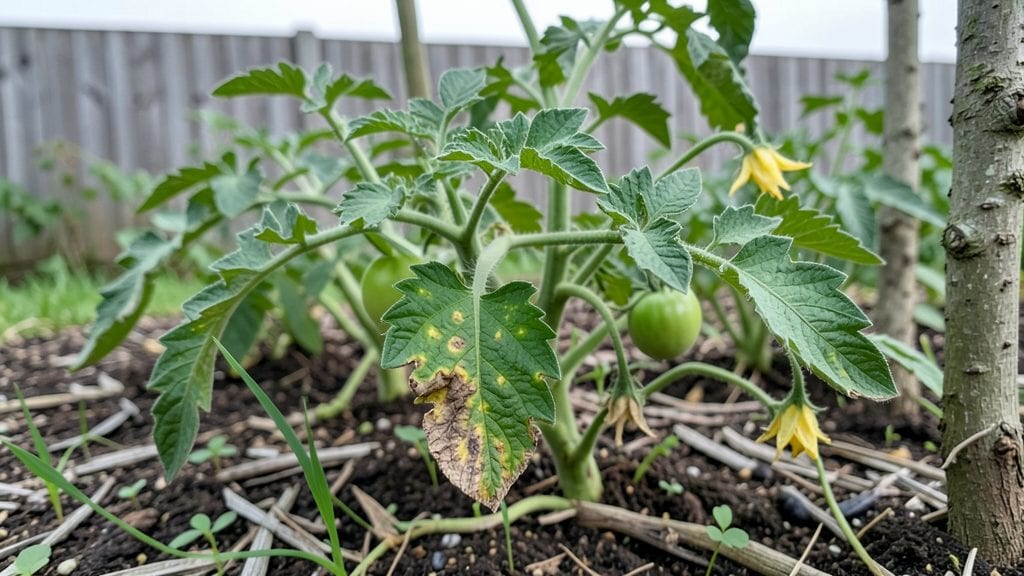
Mastering tomato plant diseases identification early saved my harvest—and my first season was a lesson in how fast things can go wrong. 🌱 Those mysterious brown spots on leaves or the sudden wilting you notice after a humid morning?
They’re not just "part of the process." Early blight, late blight, powdery mildew, and bacterial spot each leave distinct clues, and knowing them means you can act before the plant’s health spirals.
The key is what you see—and when. Early blight starts with concentric rings on lower leaves, while late blight shows up as greasy, dark spots that spread fast in wet weather.
Powdery mildew coats leaves in a white, dusty film, and bacterial spot creates tiny, water-soaked marks that ooze when touched. I keep a small notebook by my garden to jot down symptoms as they appear, and it’s saved me from losing entire plants to preventable diseases.
Once you spot the problem, the next step is simple but critical: isolate the affected plant, remove damaged foliage, and adjust your watering routine.
Most fungal diseases thrive in damp conditions, so watering at the base of the plant in the morning—never overhead—and giving leaves room to dry out makes a huge difference. You’ll see healthier growth within days if you catch it early, and your tomatoes will thank you at harvest time.
This isn’t about memorizing a list—it’s about recognizing patterns. The more you garden, the quicker you’ll spot these diseases before they become serious. For now, focus on the most common offenders, and you’ll be ahead of 90% of gardeners already struggling with the same issues.
Let’s get those plants back on track.
Root Causes Behind Tomato Troubles
Tomato plants are resilient, but when diseases strike, they often do so because of a mix of environmental stress, poor growing conditions, or microscopic invaders taking advantage of weaknesses. Understanding why these diseases develop is the first step to preventing them.
Below, we break down the key factors that turn your thriving tomato plants into battlegrounds for fungi, bacteria, and other pathogens.
Tomato plants thrive in warm but not scorching conditions—typically between 60–85°F (15–29°C) during the day and 50–60°F (10–15°C) at night. When temperatures dip too low or spike too high, plants become stressed, making them vulnerable to fungal infections like early blight and late blight.
- Cold Stress: Below 50°F (10°C), fungal spores germinate more easily because cool, damp conditions slow plant metabolism, weakening defenses. Late blight (caused by Phytophthora infestans) thrives in these conditions, spreading rapidly in 60–70°F (15–21°C) with high humidity.
- Heat Stress: Above 90°F (32°C), plants wilt, and their leaves become less effective at transpiring water. This creates a stagnant, moisture-rich environment on leaf surfaces—perfect for bacterial spot (Xanthomonas perforans) and powdery mildew (Oidium neolycopersici).
- Humidity Traps: Humidity above 75% for prolonged periods creates a film of water on leaves, giving fungal spores a direct highway into plant tissues. Early blight (Alternaria solani) loves this environment, especially in morning dew or overhead watering.
💡 Pro Tip: Use a hygrometer to monitor humidity and ensure good airflow around plants. Prune foliage to reduce shade and increase sunlight penetration, which naturally lowers leaf moisture.
Tomatoes need consistent moisture, but soggy soil is a fast track to root rot and foliar diseases. When roots sit in waterlogged conditions, they suffocate, preventing nutrient uptake and weakening the plant’s immune response. This opens the door for:
- Fusarium Wilt (Fusarium oxysporum): Thrives in waterlogged, compacted soil. The fungus enters through root wounds and clogs xylem vessels, cutting off water and nutrient flow, leading to wilting leaves even when soil is moist.
- Verticillium Wilt (Verticillium dahliae): Spreads through contaminated soil and water, infecting roots and moving upward. It doesn’t kill roots instantly but restricts water transport, causing yellowing and browning between leaf veins.
- Phytophthora Root Rot (Phytophthora spp.): A water-loving oomycete that thrives in poorly drained soil. It attacks roots, causing dark, mushy lesions and stunted growth.
🌡️ Key Factor: Soil should be moist but not waterlogged. Test drainage by digging a hole, filling it with water, and checking if it drains within 1–2 hours. Amend heavy clay soil with compost or perlite to improve aeration.
Diseases don’t just appear out of nowhere—they hitchhike on soil, tools, and even wind. If your garden soil harbors pathogenic spores from previous crops or infected plant debris, your tomatoes are at risk. Here’s how contamination spreads:
- Leftover Plant Debris: Dead leaves, stems, or roots from last season’s infected plants can harbor fungal spores like early blight or powdery mildew for years. When you plant new tomatoes, these spores reactivate in moist conditions.
- Infected Compost or Mulch: Homemade compost with diseased plant material can spread pathogens. Sclerotinia rot (Sclerotinia sclerotiorum) produces hard, black survival structures (sclerotia) that lie dormant until conditions are right.
- Reused or Shared Tools: Pruners, trowels, and stakes can carry bacterial or fungal cells between plants. Bacterial canker (Clavibacter michiganensis) spreads via contaminated tools or wounded stems.
- Wind and Water Splashes: Overhead irrigation or rain splashes spores from soil onto leaves, starting infections like septoria leaf spot (Septoria lycopersici).
🔥 Prevention Tip: Sterilize tools with a 10% bleach solution or rubbing alcohol between uses. Rotate crops—avoid planting tomatoes in the same spot for 3–4 years to break disease cycles. Remove and dispose of infected plants (don’t compost them!).
Insects and other pests don’t just damage leaves—they wound plants, creating perfect entry points for bacteria and fungi. Here’s how they set the stage for disease:
- Tomato Hornworms and Slugs: Their chewing creates open wounds where bacterial spot or soft rot can enter. Slugs also leave slime trails that increase humidity around plants.
- Aphids and Whiteflies: These sap-sucking insects weaken plants by reducing photosynthesis. Their honeydew secretions create a sticky film that fosters sooty mold and attracts powdery mildew spores.
- Nematodes: Microscopic root-feeding worms damage roots, making plants more susceptible to fungal infections like Fusarium or Pythium.
🎯 Actionable Fix: Monitor for pests regularly and remove them manually (e.g., handpick hornworms). Use row covers early in the season to block insects. Neem oil or insecticidal soap can help manage aphids without
Quick Fixes for Tomato Troubles
When your tomato plants show signs of disease, acting fast is key to saving your harvest. Below are practical, step-by-step solutions tailored to each common disease, along with prevention tips to keep your garden thriving. Think of this as your emergency repair manual—no green thumb required!
Cause: Alternaria solani fungus thrives in warm, humid conditions, creating concentric rings on leaves.
How to Fix It:
- 🍳 Prune & Remove
- Snip off yellow or brown leaves (especially lower ones) with sterilized scissors (wipe with rubbing alcohol between cuts).
- Dispose of infected foliage in the trash (not compost)—this fungus loves to recycle!
- 👨🍳 Copper Fungicide Spray
- Mix 1 tbsp baking soda + 1 tsp dish soap + 1 quart water (or use a store-bought copper fungicide).
- Spray undersides of leaves (where spores hide) every 7–10 days until new growth appears.
- Best time: Early morning or late evening (avoid midday sun, which burns leaves).
- 🌡️ Improve Airflow & Soil
- Space plants 18–24 inches apart to reduce humidity.
- Mulch with straw (not hay—it can harbor spores) to keep soil moist but not soggy.
💡 Prevention Pro Tips:
- Rotate crops: Don’t plant tomatoes (or potatoes/peppers) in the same spot next year.
- Plant resistant varieties: Look for ‘Mountain Merit’ or ‘Defiant PhR’—they’re bred to fight early blight.
- Water at the base: Avoid overhead watering (it splashes spores onto leaves).
Cause: Phytophthora infestans—the same fungus that caused the Irish Potato Famine. Spreads fast in cool, wet weather.
How to Fix It:
- ⏰ Act FAST
- Late blight can kill plants in days. Remove all infected leaves immediately and burn or bag them (do not compost).
- 🔪 Surgical Strikes
- If the stem or fruit is infected, dig up the plant and destroy it (this disease has no cure).
- For early-stage infections, prune aggressively and treat with copper fungicide (repeat every 5–7 days).
- 🌧️ Adjust Watering & Environment
- Water deeply but infrequently (1–2 inches per week) to avoid leaf wetness.
- Use a fan on low speed near plants to reduce humidity (especially in greenhouses).
💡 Prevention Pro Tips:
- Plant late-season varieties (after the last frost) to avoid early outbreaks.
- Avoid nightshade neighbors: Don’t plant tomatoes near potatoes or peppers—they share diseases.
- Solarize soil in fall: Cover beds with clear plastic for 4–6 weeks to kill fungus in the soil.
Cause: Xanthomonas or Pseudomonas bacteria—spread by water, tools, and even your hands.
How to Fix It:
- 🧼 Sterilize Everything
- Wash pruners, gloves, and hands with soapy water before and after touching plants.
- Use 70% rubbing alcohol to clean tools between cuts.
- 🥘 Bacterial Spray Recipe
- Mix 1 tbsp copper sulfate + 1 tsp liquid soap + 1 gallon water.
- Spray every 7–10 days at dawn or dusk (avoid direct sun).
- 🚫 Remove & Replace
- Severely infected plants? Pull them up and dispose of them (bacteria survive in plant debris).
- For mild cases, prune infected leaves and improve airflow.
💡 Prevention Pro Tips:
- Use a soaker hose (never overhead watering).
- Rotate crops: Wait 3 years before replanting tomatoes in the same spot.
- Choose resistant varieties: ‘Celebrity’ and ‘Better Boy’ tolerate bacterial spot better.
Cause: Oidium fungus loves dry heat + poor airflow, coating leaves in white powder.
How to Fix It:
- 🌬️ Boost Air Circulation
- Stake or cage plants to keep them upright (not crowded).
- Space rows 3–4 feet apart for better airflow.
- 🍳 Baking Soda Spray
- Mix 1 tsp baking soda + 1 tsp horticultural oil + 1 quart water.
- Spray both sides of leaves every 5–7 days until mildew disappears.
- 🌿 Neem Oil or Sulfur
- Neem oil (2 tsp/gallon water) smothers spores—spray in evening (avoids harming bees).
- Sulfur dust (follow package rates) works but avoid if temps exceed 90°F.
💡 Prevention Pro Tips:
- Water at the base (never on leaves).
- Plant mildew-resistant varieties: ‘Defiant PhR’ or ‘Jet Star’ are tougher.
- Reflective mulch: Use white plastic or aluminum foil around plants to reduce heat stress.
Cause: Soil-borne fungi (Verticillium dahliae or Fusarium oxysporum) that clog plant vessels, turning leaves yellow.
How to Fix It:
- 🚨 No Cure—Prevent & Replace
- Infected plants? Pull them up immediately—these fungi live in soil for years.
- Do NOT compost infected plants.
- 🌱 Soil Sterilization
- Solarize soil (cover with plastic for 6 weeks in summer).
- Plant resistant varieties: ‘Heatmaster’ or ‘Solar Fire’ tolerate wilt better.
- 💧 Adjust Watering
- Deep watering (1–2 inches per week) helps plants fight stress.
- Avoid overwatering—soggy soil worsens fungal spread.
💡 Prevention Pro Tips:
- Crop rotation: Wait 5–7 years before replanting tomatoes in the same spot.
- Raise beds: Use containers or raised beds with fresh, sterile soil.
- Test soil: Ensure good drainage (add compost or perlite if needed).
Final 🎯 Victory Tip: Healthy plants fight disease better! Feed tomatoes with balanced fertilizer (10-10-10) and compost every 4–6 weeks. Strong plants = fewer outbreaks!
Need a quick reference? Bookmark this guide and check plants weekly—early action saves your harvest! 🍅🚀
Frequently asked questions about tomato plant diseases
How do I tell the difference between early blight and late blight on my tomato leaves?
Early blight shows as concentric brown rings on older leaves, starting at the edges and working inward. Late blight, however, creates greasy, dark spots that spread rapidly—even to fruit—and thrives in cool, wet conditions. If you see dark, water-soaked patches with a white fuzzy edge, it’s late blight and requires immediate action.
Can I still harvest tomatoes from a plant with bacterial spot?
Yes, but only if the fruit itself isn’t infected. Bacterial spot primarily attacks leaves, creating tiny water-soaked spots that ooze when touched. Harvest any ripe tomatoes promptly and sterilize your hands and tools after handling infected plants to prevent spread. Avoid eating leaves or stems—focus on the fruit.
Why does my tomato plant have yellow leaves but the soil feels moist?
This could signal Verticillium or Fusarium wilt, soil-borne fungi that clog the plant’s water transport system. Unlike overwatering, these diseases cause yellowing between leaf veins while the soil stays moist. Unfortunately, there’s no cure—remove infected plants immediately and sterilize the soil for next season.
Is powdery mildew contagious to other plants in my garden?
Yes, powdery mildew spreads easily via wind, water splashes, and even garden tools. The white, dusty coating on leaves contains spores that can infect nearby plants like peppers, cucumbers, and squash. Isolate infected tomatoes, boost airflow, and apply neem oil or baking soda spray to stop its spread.
How often should I check my tomato plants for diseases?
Inspect your plants 2–3 times per week, especially after rain or high humidity. Focus on the undersides of leaves (where spores hide) and check for unusual spots, wilting, or discoloration. Early detection is key—most diseases are easier to manage when caught before they spread. Keep a small notebook to track symptoms over time.