
Diseases
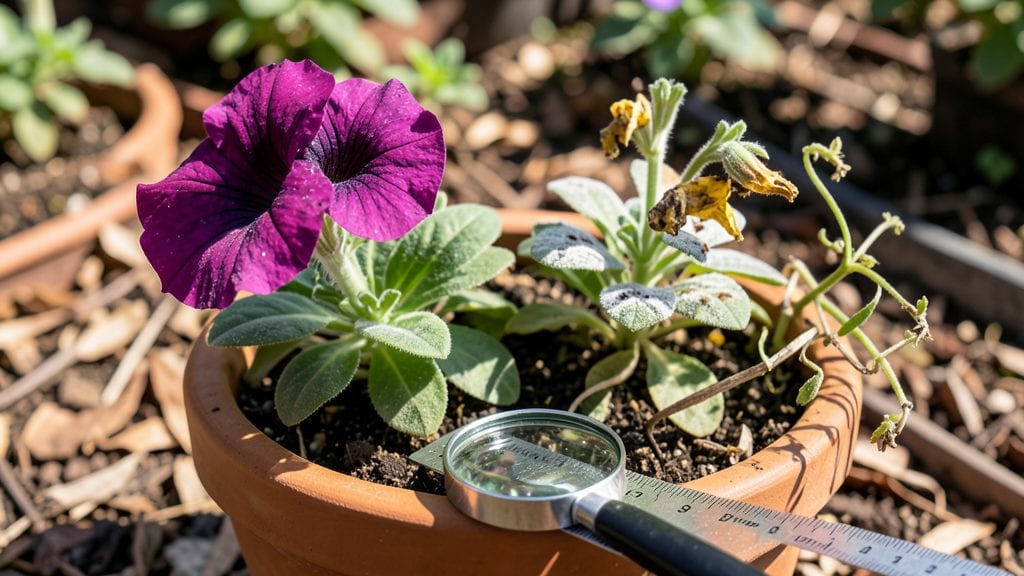
Petunia plant diseases can turn vibrant blooms into a sad, spotted mess—but I’ve learned exactly how to spot them early and stop them in their tracks. 🌿 The first time I saw my petunias covered in white powder, I thought they were just dusty until I realized it was powdery mildew, and by then, it was already spreading.
Most petunia diseases start with poor airflow, overwatering, or crowded plants. Powdery mildew thrives in humid conditions, while bacterial wilt attacks through contaminated soil or tools. The key is acting fast—once those yellow spots or wilting stems appear, it’s already too late for some plants.
But with the right organic sprays and preventive habits, you can keep your petunias thriving all season.
You’ll learn to recognize the early signs—like tiny black dots on leaves or stems that ooze when cut—and how to treat them with simple, garden-safe solutions. A mix of neem oil, baking soda, and water can work wonders for fungal issues, while copper spray tackles bacterial infections.
The best part? These fixes won’t harm your plants or the bees that love them.
Whether you’re dealing with a sudden outbreak or just want to prevent problems, this guide keeps your petunias looking their best. The secret is consistency—check your plants weekly, prune for airflow, and don’t let water sit on the leaves. Your petunias will thank you with nonstop blooms all summer long.
Root Causes Behind Petunia Problems
Understanding why petunia plants fall prey to diseases starts with recognizing their vulnerabilities. These vibrant bloomers thrive in specific conditions, and when those needs aren’t met—or when environmental stressors intervene—they become susceptible to fungal, bacterial, or even viral attacks.
Below, we break down the key triggers that weaken petunias and open the door to trouble.
Petunias are sensitive to moisture extremes, and improper watering is one of the top reasons they develop diseases like powdery mildew, root rot, or bacterial wilt.
- Overwatering creates soggy soil, cutting off oxygen to roots and inviting fungal pathogens like Phytophthora or Pythium. These thrive in waterlogged conditions, leading to root rot and stunted growth. - Underwatering stresses plants, weakening their defenses.
Dry soil cracks, making roots vulnerable to infections when water is finally reintroduced. - Inconsistent moisture (e.g., splashing water on leaves) spreads spores from soil to foliage, promoting diseases like early blight or **gray mold (Botrytis cinerea).
Actionable Fix: Water at the base (not overhead) in the early morning to allow foliage to dry quickly. Use well-draining soil and containers with drainage holes to prevent waterlogging.
Petunias are notoriously prone to fungal diseases because their lush, broad leaves create ideal microclimates** for spores to land and germinate.
Fungi like powdery mildew (Erysiphe cichoracearum) and downy mildew (Peronospora) spread via: - Wind or splashing water carrying spores from infected plants or soil. - High humidity (above 75% for prolonged periods), which fungi love.
Stagnant air traps moisture on leaves, creating a perfect breeding ground. - Poor air circulation, common in crowded gardens or greenhouses, where spores linger instead of dispersing.
Actionable Fix: Space plants 12–18 inches apart for airflow, avoid overhead watering, and use fungicide sprays (like neem oil or copper-based treatments) preventatively in humid climates.
Pests like aphids, spider mites, and thrips don’t just feed on petunias—they injure leaves and stems, creating entry points for bacteria and fungi.
For example: - Aphids excrete honeydew, a sugary residue that attracts sooty mold (Capnodium). - Thrips scratch plant tissues, leaving wounds where **bacterial spot (Xanthomonas) can take hold. - Caterpillars or slugs chew holes in leaves, reducing the plant’s ability to photosynthesize and fight off pathogens.
Actionable Fix: Monitor plants weekly for pests. Use insecticidal soap or horticultural oil for early infestations. Introduce beneficial insects (like ladybugs) to control populations naturally.
Petunias are tender perennials (or annuals in cool climates) and struggle when exposed to:
- Sudden temperature swings (e.g., frost followed by heat), which shock the plant and lower immunity.
- Extreme heat (above 90°F/32°C), causing heat stress and making leaves more susceptible to sun scald or fungal infections.
- Poor soil nutrition, especially low phosphorus or potassium, which weakens cell walls and makes plants more vulnerable to pathogens.
Actionable Fix:
- Mulch to regulate soil temperature.
- Avoid planting in full sun without shade cloth in scorching climates.
- Fertilize with a balanced 10-10-10 or phosphorus-rich formula (like 5-10-10) to bolster root and leaf strength.
Diseases often hitch a ride on gardening tools, potting mix, or even compost from previous infected plants.
Common culprits: - Reused pots** without sterilization, harboring Phytophthora or Fusarium from past crops. - Infected compost containing fungal spores or bacterial pathogens. - Dirty pruners or gloves spreading Xanthomonas (bacterial leaf spot) between plants.
Actionable Fix:
- Sterilize tools with 70% isopropyl alcohol or a bleach solution (1 part bleach to 9 parts water).
- Use fresh, sterile potting mix (avoid garden soil unless pasteurized).
- Rotate crops—don’t plant petunias in the same spot year after year without treating the soil.
Not all petunia varieties are created equal.
Some hybrids are bred for disease resistance, while others are more prone to: - Powdery mildew (common in Grandiflora types). - Bacterial wilt (a risk in heat-loving varieties like Wave Petunias). - Root rot in trailing varieties with shallow root systems.
Actionable Fix: Choose disease-resistant cultivars (e.g., ‘Supertunia,’ ‘Cascadia’) if your climate is prone to specific issues. Always check seed packet labels for resistance claims.
Many petunia diseases start subtly—yellowing leaves, tiny brown spots, or wilting in one stem.
If left unchecked: - Fungal spores multiply exponentially in 48–72 hours. - Bacterial infections spread via sap-feeding insects or rain splash. - Viral diseases (rare but possible) move from plant to plant via aphids.
Actionable Fix: Inspect plants weekly for symptoms. Isolate affected plants immediately to prevent spread. Remove infected foliage and dispose of it in the trash (not compost).
Pro Tip: 💡 Prevention is easier than cure! Maintain clean garden hygiene, proper spacing, and consistent care to keep petunias resilient. When diseases strike, act fast—most fungal/bacterial issues are manageable with early intervention!
Quick Fixes for Petunia Problems
Now that you’ve identified the issue plaguing your petunias, it’s time to roll up your sleeves and get them back to their vibrant best! 🌸💦 The good news? Most petunia diseases and pests respond well to targeted action—if you catch them early.
Below, we’ve broken down the most effective cause-specific solutions, along with prevention tips to keep your blooms thriving long-term.
Fungal diseases like powdery mildew, gray mold, and black spot thrive in damp, stagnant conditions. The key? Improve airflow, reduce moisture, and treat aggressively.
🔥 Powdery Mildew: Scrub and Spray
Fix it: 1. Prune infected leaves (🔪) – Snip off heavily mildewed foliage with clean shears and dispose of it in the trash (not compost).
- Neem oil spray (🍳) – Mix 1 tbsp neem oil + 1 tsp mild soap + 1 quart water. Spray early morning or evening (avoid direct sun) every 5–7 days until gone.
- Baking soda remedy (✨) – For mild cases, try 1 tsp baking soda + 1 quart water + a few drops of soap. Spray weekly.
- Increase airflow (🌬️) – Space plants 12–18 inches apart and avoid overcrowding.
Prevent it:
- Water at the base (💦) – Never wet leaves; use drip irrigation or soaker hoses.
- Space plants properly (📏) – Fungal spores need humidity to spread.
- Avoid nighttime watering (🌙) – Leaves should dry by evening.
🍅 Gray Mold (Botrytis): Dry It Out Fast
Fix it:
- Remove infected parts immediately (🚨) – Gray mold spreads like wildfire. Prune all affected stems and leaves.
- Hydrogen peroxide soak (🧴) – Mix 1 tbsp 3% hydrogen peroxide per quart of water.
Spray every 3–4 days until symptoms vanish. 3. Copper fungicide (🛡️) – For severe cases, use a fixed copper fungicide (like Cupric hydroxide) as directed. 4. Improve drainage (💧) – Ensure pots have drainage holes and mulch with gravel or coarse sand (not organic mulch).
Prevent it:
- Water in the morning (☀️) – Never water late in the day.
- Space plants for airflow (🌬️) – Gray mold loves tight, humid pockets.
- Avoid overhead watering (🚫💦) – Use a watering wand at soil level.
🖤 Black Spot: Fungicide + Cleanup
Fix it:
- Rake up fallen leaves (🍂) – Black spot spores hide in debris. Remove all leaf litter around plants.
- Fungicidal spray (💊) – Use chlorothalonil or myclobutanil (like Bonide or Daconil) every 7–10 days for 3 weeks.
- Prune infected leaves (✂️) – Cut off dark spots and surrounding tissue (the fungus spreads beyond visible marks).
- Disinfect tools (🧼) – Wipe shears with rubbing alcohol between cuts.
Prevent it:
- Water early (⏰) – Wet leaves should dry within 4–6 hours.
- Space plants 18–24 inches apart (📏) – Better airflow = fewer spores.
- Rotate fungicides (🔄) – Don’t use the same product repeatedly to avoid resistance.
Bacterial diseases like bacterial wilt and leaf spot are trickier because they spread through water and insects. Your best defense? Prevention + fast action.
🌡️ Bacterial Wilt: Cut It Off
Fix it:
- Dig up and destroy infected plants (🚯) – There’s no cure. Remove the whole plant to stop spread.
- Disinfect soil (🧪) – If in pots, replace soil.
For garden beds, solarize soil (cover with clear plastic for 4–6 weeks in hot sun). 3. Rotate crops (🌱) – Don’t plant petunias (or susceptible plants) in the same spot for 3 years.
Prevent it:
- Use sterile potting mix (🧴) – Avoid garden soil, which may harbor bacteria.
- Control flea beetles (🐞) – They spread bacterial wilt. Use row covers or neem oil spray.
- Avoid overhead watering (💦) – Use drip irrigation to keep leaves dry.
🍃 Bacterial Leaf Spot: Copper Spray Attack
Fix it:
- Prune infected leaves (✂️) – Remove all spotted foliage and sterilize tools.
- Copper fungicide spray (🛡️) – Use copper hydroxide (like Kocide) every 7–10 days for 3 weeks.
- Improve sanitation (🧼) – Clean up all plant debris around the area.
Prevent it:
- Water at the base only (💧) – Never wet leaves.
- Space plants for airflow (🌬️) – Reduces humidity where bacteria thrive.
- Avoid working when leaves are wet (🌧️) – Wait until foliage is dry before pruning.
Not all petunia problems are fungal or bacterial—aphids, spider mites, and earwigs can also wreak havoc. Here’s how to evict them without chemicals (when possible).
🐜 Aphids & Spider Mites: Blast Them Away
Fix it:
- Blast with water (💦) – Use a strong spray nozzle to knock off aphids from undersides of leaves.
- Insecticidal soap (🧼) – Mix 2.5 tbsp castile soap + 1 quart water.
Spray every 3–5 days until gone. 3. Introduce beneficial insects (🐞) – Ladybugs and lacewings love aphids. Buy them online or attract them with dill or fennel plants. 4. Neem oil spray (🍳) – Same recipe as for mildew; disrupts pests’ life cycles.
Prevent it:
- Inspect new plants (🔍) – Quarantine new petunias for 2 weeks before planting.
- Sticky traps (🎣) – Place yellow sticky traps near plants to catch flying pests.
- Encourage predators (🐸) – Frogs, toads, and birds help control pests naturally.
🦋 Earwigs: Trap and Remove
Fix it:
- Roll-up traps (📜) – Place corrugated cardboard or rolled newspaper near plants. Check daily and drown earwigs in soapy water.
- Diatomaceous earth (⚡) – Sprinkle food-grade DE around the base (avoid direct contact with leaves).
- Coffee grounds (☕) – Earwigs hate them. Sprinkle around plants as a natural repellent.
Prevent it:
- Keep mulch dry (🌡️) – Earwigs love damp areas.
- Remove hiding spots (🏠) – Clear debris, boards, and dense mulch near plants.
- Rotate treatments (🔄) – Don’t rely on one solution. Mix neem oil, copper, and insecticidal soap to avoid resistance.
- Test soil pH (📊) – Petunias prefer 6.0–7.0 pH. Adjust if needed to boost immunity.
- Hardening off seedlings (🌱) – Accl
Frequently asked questions about petunia plant diseases
What are the first signs my petunias might have a disease?
Watch for yellowing leaves, white powdery coatings (powdery mildew), or dark spots with yellow halos (fungal leaf spots). Wilting stems or oozing sap often signal bacterial infections. Check both top and undersides of leaves—many diseases start there.
Can I save a petunia plant already showing severe disease symptoms?
For fungal diseases like powdery mildew, prune infected leaves and apply neem oil immediately. With bacterial wilt, however, removal is the only option—there's no cure. If only a few leaves are affected, you may recover the plant with aggressive treatment, but severe cases often require replacement.
How often should I spray fungicides on my petunias?
Apply preventative sprays like neem oil or copper fungicide every 7–14 days during humid seasons. For active infections, increase to every 5–7 days until symptoms disappear. Always spray in the early morning or evening to avoid leaf burn. Rotate treatments to prevent resistance.
Are some petunia varieties more disease-resistant than others?
Yes! Look for 'Supertunia' or 'Cascadia' series—they're bred for better resistance. Trailing varieties often suffer more from root rot due to shallow roots, while grandiflora types are prone to powdery mildew. Always check seed packet labels for disease resistance claims.
Why do my petunias get diseases even when I water them properly?
Diseases often spread through contaminated tools, infected soil, or poor airflow, not just watering. Sterilize pruners with rubbing alcohol, use sterile potting mix, and space plants 12–18 inches apart for circulation. Even proper watering won't prevent spread if spores are already present.