
Watering
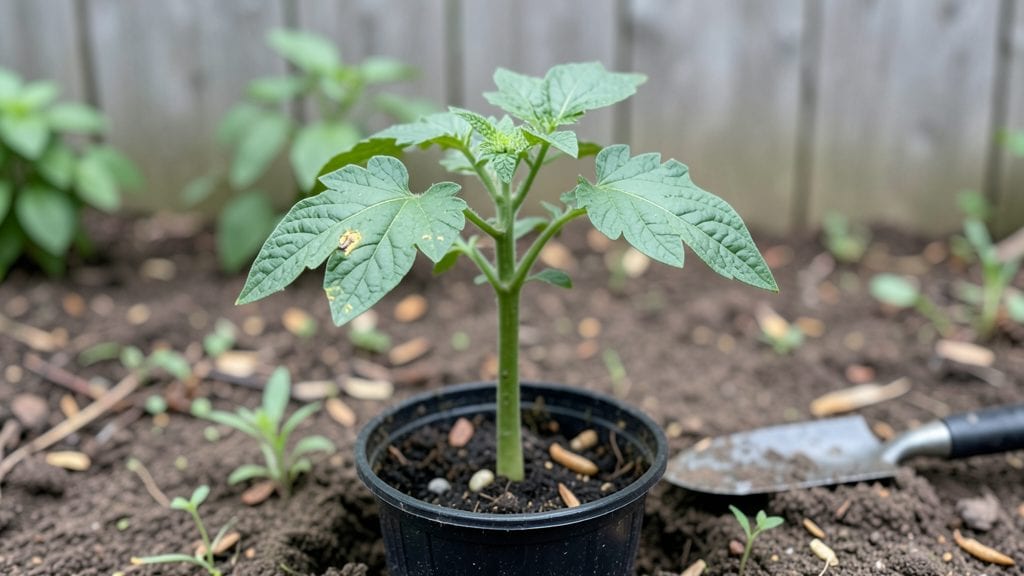
Recognizing signs for planting means watching for soil warmth above 60°F, blooming early flowers like crocuses or daffodils, and seeing honeybees actively foraging. Cross-check these with your local last frost dates and leafing trees such as maple or birch to pinpoint the ideal window for planting seeds or transplants.
Nature’s planting cues aren’t just random—they’re biological signals that align with your region’s climate.
For example, bees foraging in early spring indicate rising temperatures and blooming plants, which is perfect for sowing heat-loving crops like tomatoes or peppers. 🌱 Meanwhile, leafing trees like maple signal stable warmth, reducing frost risk for tender seedlings.
I’ve found that pairing these natural signs with your local planting zone calendar (like Zone 5 lilacs or Zone 7 peach blossoms) sharpens timing for everything from direct sowing to transplanting.
What’s fascinating is how these cues vary by elevation or coastal proximity. High-altitude gardens might need to wait for two weeks longer after crocuses bloom compared to lowland areas, while coastal regions often get a head start due to milder winters.
My pro tip? Keep a garden journal to track when these signs appear in your yard—over time, you’ll spot patterns that let you fine-tune your schedule for perfect seedling success every season.
💡 In This Article
- How to Read Nature’s Planting Signals
- Best Planting Calendar by Regional Planting Signs
How to read nature’s planting signals
Nature’s planting cues work like a biological clock, triggered by precise environmental conditions. When soil warms to 60°F+, microbial activity revs up—beneficial bacteria and fungi multiply, breaking down organic matter and releasing nutrients that seeds need to germinate.
This warmth also signals to plants that the frost danger has passed, as cold soil temperatures below 50°F can stunt root growth or even kill tender seedlings. The key here is that microbial activity isn’t just about warmth; it’s about consistency.
Fluctuating temperatures keep microbes dormant, which is why sudden cold snaps after a warm spell can derail your planting plans.
Bees foraging in early spring aren’t just a sign of life—they’re a direct indicator of pollinator-friendly blooms and stable temperatures. Honeybees, for instance, only fly when daytime temperatures reach 55°F+ and stay active above 65°F.
Their presence means not only that the air is warm enough for your plants, but also that early bloomers like crocuses and daffodils are providing nectar, which creates a feedback loop: more flowers attract more pollinators, which in turn boosts the success of your vegetable and flower gardens.
This is why seeing bees on apple or cherry blossoms is a green light for planting heat-loving crops like tomatoes or peppers.
Leafing trees like maple or birch act as natural thermometers, their buds swelling and leaves unfurling when nighttime temperatures consistently stay above 40°F. This is critical because many annual vegetables (think basil, cucumbers, or beans) need 10-14 consecutive frost-free nights to thrive.
The science behind this is simple: trees are sensitive to cumulative warmth. A single warm day won’t trigger leafing—it takes 3-5 days of stable temperatures to break dormancy. That’s why leafing is a more reliable cue than a single warm spell, especially in regions with unpredictable spring weather.
Regional variations add another layer to these signals. In Zone 5, lilac blooms often coincide with the last frost, while in Zone 7, peach blossoms signal the ideal time to plant heat-sensitive crops.
Coastal areas may see these signs 2-3 weeks earlier than inland locations due to moderating ocean breezes, while high-altitude gardens might need to wait until after the first maple leaves appear.
The trick is to observe what works in your specific microclimate—your backyard might have unique conditions that don’t match the general rules.
What most gardeners overlook is how these cues interact. For example, warm soil (60°F+) combined with bee activity and leafing trees creates an optimal window that’s 3-5 days long.
Missing one cue (like waiting for bees but ignoring soil temp) can lead to poor germination or stunted growth. That’s why I always check all three signals before planting—it’s like having three confirmation steps before hitting "send" on an important email. 🌿
Pro tip: Pair these natural signs with your local planting zone calendar for extra precision. For instance, in Zone 6, when forsythia blooms and soil hits 60°F, it’s time to sow peas and lettuce.
But if you’re in Zone 8, those same cues might arrive in February instead of April. The more you pay attention, the more you’ll notice how these signals align—or don’t—with your region’s quirks.