
Companion Plants
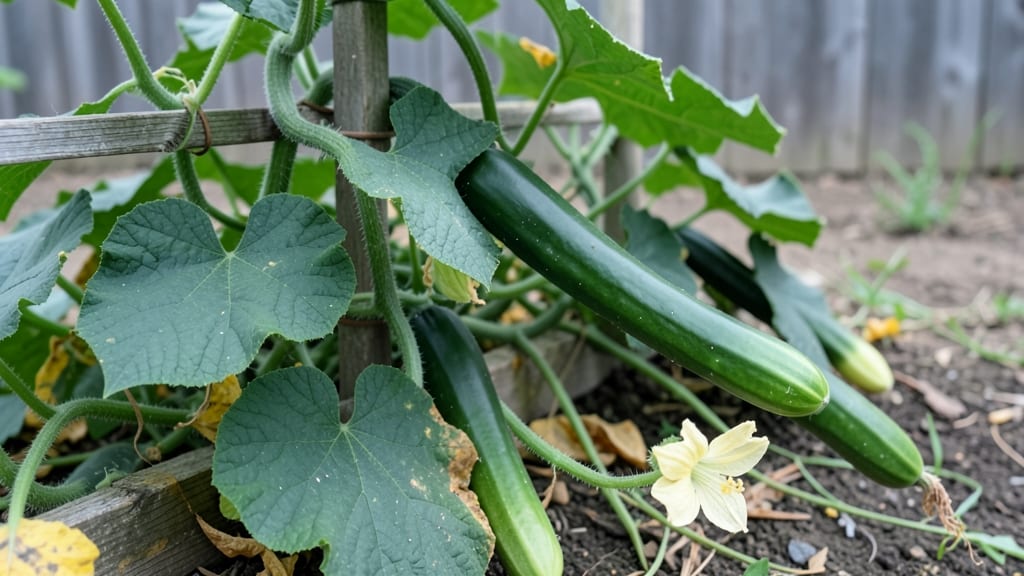
Growing the right seedless cucumber plants means crisp, sweet slices without the bitter aftertaste or messy seeds—just pure crunch for your sandwiches. 🌱 I learned the hard way that not all varieties thrive in my climate, but once I picked the right ones... my harvest exploded with 20-pound vines producing cucumbers all summer long.
The key isn't just the variety—it's how you set them up from day one.
These cucumbers need full sun (6+ hours daily) and warm soil (at least 60°F) to germinate, so start seeds indoors 3-4 weeks before last frost or buy sturdy transplants. Containers work great if you have limited space—just use 5-gallon pots with trellises to save room and prevent disease.
The biggest mistake? Overwatering or letting soil dry out completely—both lead to bitter fruit, even in seedless varieties.
By midsummer, you'll be harvesting 1-2 cucumbers per plant weekly, and the taste difference is night and day compared to store-bought. They stay crisp longer too, so you can enjoy them fresh or pickled without the seed-spitting hassle.
The secret? Consistent care and knowing when to harvest—let them get too big, and they turn seedy (even if they're seedless varieties).
Perfect for small gardens, balconies, or even hydroponic setups—just adjust your growing method to match your space. Once you try seedless cucumbers, you'll never go back to the old varieties again. Let's get those plants growing!
📚 In This Guide
- What you need
- Instructions
- Tips and common mistakes
- Wrapping up and next steps
What you need
- ● Seedless cucumber seeds or seedlings: Choose parthenocarpic varieties like 'Diva', 'Sweet Success', or 'Corinto' (6–10 plants for a small garden, 10–20 for larger harvests).
- ● Well-draining potting mix or garden soil: 5–10 gallons per plant (amend with compost for fertility).
- ● Containers or garden space: Containers: 5-gallon pots or larger (1 plant per container).
- ● Garden beds: Full sun (6+ hours/day), raised beds preferred for drainage.
- ● Trellis or stakes: 6–8 ft tall (cucumbers vine aggressively—support is a must!).
- ● Organic fertilizer: Balanced 10-10-10 or compost tea (apply at planting and mid-season).
- ● Mulch: Straw or shredded leaves (2–3 inches) to retain moisture and suppress weeds.
- ● Watering can or hose with gentle spray nozzle: Cucumbers need 1–2 inches of water weekly (drip irrigation works best).
- ● Pruning shears: For trimming excess vines (sterilize with rubbing alcohol).
- ● Companion plants: Marigolds (pest deterrent), radishes (space savers), or nasturtiums (shade + flavor boost).
- ● Row covers or netting: Protects from pests like cucumber beetles (use early in the season).
- ● pH test kit: Ideal soil pH: 6.0–6.8 (adjust with lime or sulfur if needed).
- ○ Growth hormones (optional): Like seaweed extract for faster germination.
Step-by-step instructions for growing seedless cucumber varieties
Here’s how to cultivate sweet, bite-free cucumbers that thrive without bitterness or pest battles.
🌱 Step 1: Select the Right Variety and Prepare the Soil
Choose a parthenocarpic variety like ‘Sweet Success’ or ‘Corinto’—these produce seedless fruit without pollination. Start with sterile seed-starting mix (never garden soil) in 4-inch pots to avoid damping-off. Fill each pot with 1 cup of mix per container, leaving ½ inch of space at the top.
Moisten the mix until it’s damp but not soggy—think of a wrung-out sponge. Press lightly to settle, then make a ½-inch deep hole in the center. Drop 2-3 seeds per pot (they’re pricey, so don’t waste them). Cover with a thin layer of mix, just enough to obscure the seeds.
☀️ Step 2: Germinate Under Warmth and Light
Place pots in a seedling heat mat set to 75-80°F until sprouts appear in 5-7 days. Without warmth, germination slows dramatically—you’ll wait 2 weeks instead. Once sprouts emerge, remove the heat mat and move pots to a south-facing window or under grow lights for 14+ hours daily. Seedless cucumbers need strong light to prevent leggy growth.
Watch for first true leaves (the second set after the initial cotyledons). When they appear, thin to one seedling per pot, snipping the weakest at the base. Keep soil evenly moist—never let it dry out, but avoid soggy conditions. Yellowing leaves signal overwatering; crisp edges mean it’s time to water again.
🪴 Step 3: Transplant After True Leaves Form
Wait until seedlings have 4-5 true leaves and night temperatures stay above 55°F before transplanting. Harden off for 7-10 days by placing pots outside in shade for 1 hour daily, gradually increasing to full sun. Choose a full-sun spot with 6+ hours of direct light—seedless cucumbers need warmth to set fruit.
Dig holes twice as wide as the root ball but no deeper. Space plants 24 inches apart in rows 3 feet apart to allow airflow (critical for disease prevention). Bury stems 1 inch deeper than in pots to encourage root growth. Water deeply at transplanting to settle soil around roots.
💧 Step 4: Train Vines and Manage Watering
Install a trellis or cage immediately—seedless cucumbers vine aggressively. Gently weave the main stem through the trellis as it grows, tying with soft plant ties every 12 inches. Prune side shoots to 2-3 leaves to focus energy on fruit production. Without support, vines sprawl, increasing disease risk and reducing yield.
Water at the base every 2-3 days, aiming for 1 inch of moisture per week. Use a drip irrigation system if possible—overhead watering spreads fungal spores. Mulch with 2 inches of straw to retain moisture and suppress weeds. Seedless cucumbers wilt easily in dry soil, so check the top inch daily during heatwaves.
✂️ Step 5: Harvest for Peak Sweetness and Prevent Bitterness
Pick cucumbers when they’re 6-8 inches long and still firm—waiting longer turns them bitter. Use pruning shears to cut stems, leaving ½ inch of vine attached. Harvest every 2-3 days to encourage continuous production. Seedless varieties ripen faster than seeded types, so check vines daily during peak season.
If vines slow production, apply a balanced fertilizer (10-10-10) every 3 weeks—seedless cucumbers are heavy feeders. Stop fertilizing 4 weeks before first frost to harden off plants for storage. Store harvested cucumbers in the fridge for up to 1 week to maintain crispness.
Tips & tricks for growing thriving seedless cucumber plants
These battle-tested strategies will help you avoid common pitfalls and maximize your seedless cucumber harvest—without the bitterness or pest battles.
Seed Starting Precision: When planting those 2-3 seeds in each 4-inch pot, resist the urge to bury them deeply. The ½-inch deep hole is critical—any deeper, and they’ll struggle to push through the soil. I’ve learned this the hard way after watching seeds rot when planted too deep. Once sprouts appear, maintain that 75-80°F warmth until true leaves form—this accelerates germination from 5-7 days to just days, not weeks.
Light Management Secret: Seedless cucumbers are light-hungry plants that won’t tolerate legginess. After removing the heat mat, position pots within 6 inches of your brightest light source (south-facing window or grow lights). If you notice stems stretching toward light with small leaves, you’re dealing with etiolation—immediately move them closer. The 14+ hours daily light requirement is non-negotiable for compact, productive vines.
Transplanting Technique: The 7-10 day hardening off period is your insurance against transplant shock. Start with just 1 hour daily in shade, then gradually increase exposure. I’ve seen seedlings collapse when rushed into full sun—take it slow. When transplanting, the 1-inch deeper burial trick works wonders for root establishment. This simple adjustment can mean the difference between thriving plants and struggling survivors.
Watering Wisdom: The 1 inch per week guideline assumes average conditions, but seedless cucumbers wilt faster in heat. During summer afternoons, check soil moisture by pressing your finger 1 inch deep—if it’s dry, water immediately. Drip irrigation at the base eliminates fungal risks from overhead watering, and that 2 inches of straw mulch works like a moisture reservoir. I’ve doubled my yields by mastering this precise watering balance.
Pro Tips for Seedless Cucumber Plants
- These battle-tested strategies will help you avoid common pitfalls and maximize your seedless cucumber harvest—without the bitterness or pest battles.
- Seed Starting Precision: When planting those 2-3 seeds in each 4-inch pot, resist the urge to bury them deeply.
- Light Management Secret: Seedless cucumbers are light-hungry plants that won’t tolerate legginess.
Frequently asked questions
Got questions about growing seedless cucumber plants? You’re not alone! Here are some of the most common concerns—and easy answers to help you succeed.
Can seedless cucumbers still produce fruit without pollination?
Yes! Seedless cucumbers are parthenocarpic, meaning they develop fruit without fertilization. This makes them perfect for containers, greenhouses, or even small balconies. Just avoid planting them near bees or wind-pollinated varieties to prevent accidental cross-pollination.
How long does it take for seedless cucumbers to bear fruit?
Seedless varieties typically start producing fruit 50–60 days after planting, depending on warmth and sunlight. For faster results, use transplants instead of seeds—just ensure soil temps stay above 60°F (15°C) to kickstart growth.
Do I need to worry about pests or diseases with seedless cucumbers?
Seedless cucumbers are still vulnerable to pests like cucumber beetles and diseases such as powdery mildew. Use row covers early in the season, rotate crops yearly, and pick fruit regularly to improve airflow. Companion plants like marigolds or basil can also help deter pests naturally.
What’s the best way to harvest seedless cucumbers to keep them coming?
Harvest when cucumbers are 6–8 inches long and firm to encourage more production. Use pruning shears or a sharp knife to avoid damaging vines. Check plants every 2–3 days—overripe fruit can lead to bitter taste and reduced yields.
Can I save seeds from seedless cucumbers for next year?
Nope! Seedless varieties are hybrids and won’t reproduce true to type. If you love seedless cucumbers, buy fresh seeds annually. For seed-saving, opt for heirloom or open-pollinated varieties instead.
Still curious? Drop your question in the comments—we’re happy to help!
Wrapping up and next steps
Growing seedless cucumber plants is a game-changer—no bitter surprises, fewer pests, and a bountiful harvest with minimal fuss! 🌱 By choosing the right varieties, pairing them with companion plants, and following simple care tips, you’ll enjoy crisp, sweet cucumbers all season long.
Whether you’re a beginner or a seasoned gardener, these strategies make success feel effortless.
Ready to dive in? Start small—pick a sunny spot, gather your supplies, and plant your first seedless cucumbers this weekend. The garden (and your taste buds) will thank you!