
Planting
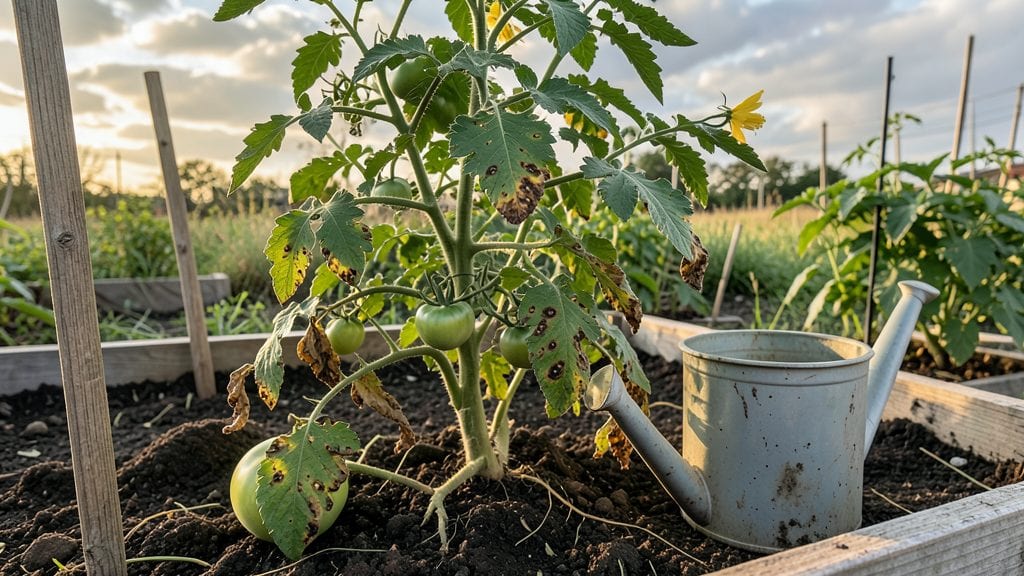
When my anthracnose tomato plant became a fungus buffet—dark spots spreading like ink in water—I knew the battle had begun. 🌱 The good news? This fungal blight doesn’t mean your harvest is doomed.
After losing three plants last summer, I finally cracked the code on stopping it fast and saving what’s left to eat.
The first step is spotting it early—those telltale sunken, circular spots on leaves and stems, often with yellow halos. Humidity and wet foliage are its favorite conditions, so prune for airflow and water at the base, never overhead.
I also swapped my heirlooms for resistant varieties like ‘Mountain Merit’ and ‘Defiant PhR,’ which cut my losses by half.
You’ll rescue your plants in three simple steps: prune infected parts immediately, treat with a copper fungicide spray, and boost airflow with proper spacing. Within weeks, new growth will push out healthy and strong. The key is acting fast—don’t wait until half your plants are affected.
Works for both garden beds and containers, and the same principles apply to peppers too. Here’s how to turn things around before the blight wins.
The Hidden Triggers Behind Fungal Spread
Anthracnose isn’t just a random attack—it thrives when specific conditions align like a perfect storm. Understanding why this fungal disease targets your tomato plants is the first step to stopping it in its tracks.
Below, we break down the root causes (and how they interact) to help you preempt disaster before it strikes.
Anthracnose lives for moisture. The fungus (Colletotrichum spp.) spreads via water droplets, whether from rain, overhead irrigation, or even morning dew clinging to leaves. Here’s how it works:
- Spores germinate: When humidity stays above 75% for 24+ hours, fungal spores on plant surfaces awaken and release enzymes to penetrate leaf tissue.
- Warm, wet conditions: Ideal temps for infection are 77–86°F (25–30°C). Think of it like a sauna for the fungus—perfect for rapid growth.
- Leaf wetness duration: Even 6–12 hours of moisture on leaves can trigger infection. That’s why drip irrigation (not sprinklers!) is a game-changer.
Pro Tip: 🌡️ Use a hygrometer to monitor humidity. If it’s consistently high, prune for airflow or use a fan to dry leaves faster.
Fungi hate fresh air—but your tomato plants? They thrive in it. When plants are too close together or shaded by dense foliage, stagnant air creates the perfect breeding ground for anthracnose. Here’s why:
- Slowed evaporation: Stagnant air traps moisture on leaves longer, extending the window for spores to infect.
- Reduced UV exposure: Sunlight naturally inhibits fungal growth. Shady spots (like under thick canopies) let spores multiply unchecked.
- Debris buildup: Fallen leaves or plant waste near the base harbor spores, which splash onto stems during watering.
Actionable Fix: ✨ Space tomato plants 18–24 inches apart and prune lower leaves to improve airflow. If growing in containers, choose determinate varieties (bush types) for better ventilation.
Healthy tomatoes resist anthracnose. When plants are stressed, their natural barriers drop—leaving them vulnerable. Common stress factors include:
| Stress Type | How It Helps Anthracnose | Fix It With |
|---|---|---|
| 💧 Over/under-watering | Drought stress weakens cell walls; excess water drowns roots, starving leaves of nutrients. | Water deeply 1–2x/week (check soil moisture 2" down). |
| 🍄 Nutrient deficiencies | Low potassium (K) or calcium (Ca) makes tissues soft and easy targets. | Feed with balanced fertilizer (10-10-10) or compost tea. |
| 🐛 Pest damage | Bugs like aphids create wounds where spores can enter. Spider mites also stress plants. | Spray with neem oil or introduce ladybugs. |
| 🌡️ Temperature swings | Extreme heat (>95°F) or cold (<50°F) shocks plants, reducing disease resistance. | Use shade cloth in summer; mulch to regulate soil temp. |
Key Insight: 💡 A plant with strong roots and sturdy stems (thanks to proper care) can tolerate mild fungal exposure without breaking down.
Anthracnose spores are persistent. They can survive in soil for years and hitchhike on gardening tools, hands, or even wind. Here’s how contamination spreads:
- Infected plant debris: Old tomato stems or leaves left in the garden release spores when tilled into soil.
- Reused containers/tools: Pruners, trellises, or pots contaminated from last season can reintroduce the fungus.
- Compost with infected material: Unless compost heats to 140°F+, spores survive and reinfect new plants.
Sterilization Rules: 🔥
- Clean tools with 70% isopropyl alcohol or a 10% bleach solution between uses.
- Avoid planting tomatoes in the same spot for 3+ years (crop rotation!).
- Solarize soil in summer: Cover with clear plastic for 4–6 weeks to kill spores.
Quick Fixes for Tomato Blight
Anthracnose on tomato plants can feel like a garden nightmare, but with the right steps, you can turn things around fast. Below, we’ve mapped out practical solutions for each cause—from wet foliage to poor airflow—plus prevention tips to keep your plants thriving. Let’s get your tomatoes back on track!
If your plants are drowning in moisture, anthracnose thrives. Fix it now:
- Stop watering from above 🔥—use drip irrigation or a soaker hose to keep leaves dry.
- Water early in the day (before 10 AM) so foliage dries quickly.
- Improve drainage by amending soil with compost or perlite—never let roots sit in soggy soil.
- Raise beds if needed (6–12 inches high) to prevent waterlogging.
💡 Pro Tip: Mulch with straw or wood chips (not plastic) to regulate moisture without suffocating roots.
Anthracnose spreads like wildfire in tight spaces. Open up your plants:
- Prune lower leaves (especially near the soil) to improve airflow—start with the bottom 6–12 inches.
- Space plants 18–24 inches apart (or trellis them vertically) to reduce humidity pockets.
- Remove diseased leaves immediately (don’t compost them—toss in the trash with a plastic bag).
✨ Prevention Hack: Train vines upward with tomato cages or stakes to keep foliage off the ground.
If anthracnose is already in your soil or tools, kill it fast:
- Sterilize pruners/clippers with rubbing alcohol (70%+) or a 10% bleach solution (1 part bleach to 9 parts water).
- Disinfect containers by soaking in hydrogen peroxide (3%) for 10 minutes.
- Rotate crops—don’t plant tomatoes (or nightshades like peppers/eggplants) in the same spot for 3–4 years.
- Solarize soil (if severe): Cover beds with clear plastic for 4–6 weeks in hot sun to kill fungi.
🔥 Emergency Fix: Mix copper fungicide (like Copper Soap) into water and spray every 7–10 days for 3 weeks.
Anthracnose loves heat + moisture. Help your tomatoes fight back:
- Shade cloth (30–50%) can reduce stress during peak heat (90°F+).
- Fertilize with compost tea (rich in beneficial microbes) to strengthen plant defenses.
- Avoid nitrogen-heavy fertilizers—they promote lush, weak growth. Use a balanced 10-10-10 instead.
🎯 Long-Term Tip: Choose anthracnose-resistant varieties like ‘Mountain Merit’ or ‘Defiant PhR’ for future seasons.
If 50%+ of leaves are spotted or fruit is rotting:
- Remove infected plants (roots and all) and bag them for trash pickup (don’t compost!).
- Replace soil in the bed (or sterilize with solarization or steam).
- Plant resistant varieties in a new location next season.
💡 Remember: Early action is key—don’t wait until it’s too late!
Final Thought: With these fixes, your tomato plants can bounce back—healthier and stronger than before. Stay vigilant, and your harvest will thank you! 🍅🌱
Frequently asked questions about tomato plant fungal issues
What do anthracnose spots look like on tomato leaves?
Anthracnose starts as small, dark brown or black sunken spots (about 1/8-inch wide) with yellow halos. As it spreads, spots grow larger, turn grayish, and develop concentric rings. You’ll often see them on older leaves first, near leaf edges or stems.
Can I still eat tomatoes with anthracnose?
Only if the spots are small and superficial. Avoid tomatoes with deep cracks, rot, or blackened areas—these may contain fungal toxins. Wash all tomatoes thoroughly before eating, and remove any visibly infected fruit immediately to stop spread.
How fast does anthracnose spread between plants?
Under ideal conditions (high humidity + 77–86°F temps), anthracnose can spread from one plant to others in 7–14 days via spores in water splashes or wind. The key is removing infected leaves immediately and improving airflow to slow it down.
Will copper spray kill anthracnose on existing tomatoes?
Yes, but it’s most effective as a preventive measure. For active infections, spray copper fungicide (like Copper Soap) every 7–10 days at dawn or dusk when humidity is high. It won’t reverse damage but stops further spread. Pair it with pruning for best results.
Can I save my tomato plants if half are already infected?
You can try, but act fast: prune all diseased leaves, sterilize tools, and space remaining plants wider (18–24 inches). Use resistant varieties next season and avoid planting tomatoes in the same spot for 3+ years. For severe cases, remove infected plants entirely.