
Planting
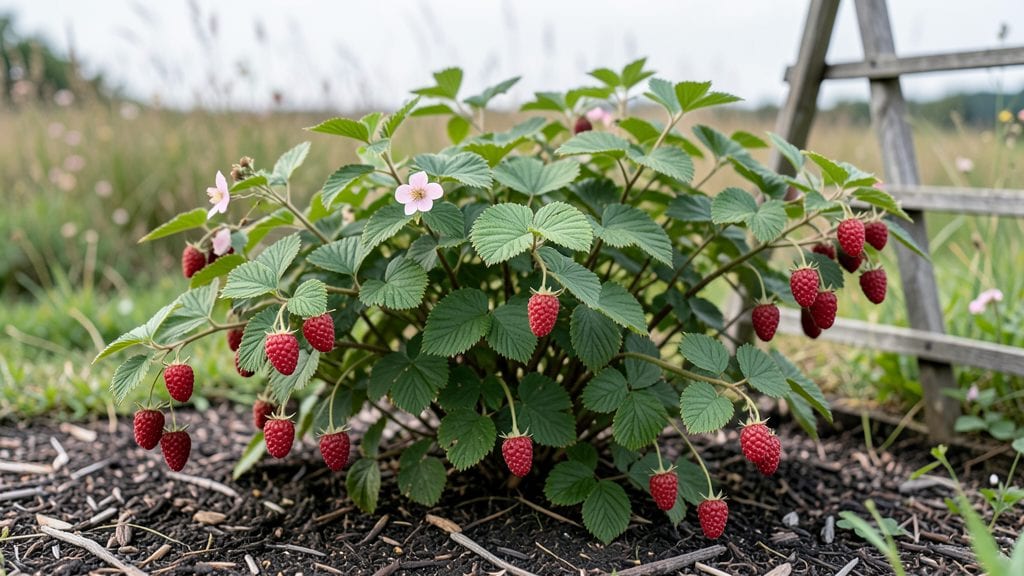
Brandywine raspberries deliver fruit so bold and sweet they’ll make you question why you ever bought store-bought. 🌿 I planted mine last spring, and by summer’s end, I was harvesting pints of berries that tasted like summer in every bite—no thorns to snag your fingers, just pure, juicy perfection.
The secret lies in their love for sun, well-draining soil, and a little winter chill, which is why they thrive in zones 5 through 8.
You’ll need a sunny spot with at least 6 hours of light daily, rich soil mixed with compost, and a trellis or strong stakes to support their 4-foot-tall canes.
These plants reward patience: establish them in early spring, keep them watered during fruit set, and watch as they produce three harvests per season—spring, summer, and fall. The thornless variety means easier picking, but don’t skip the pruning in late winter to keep them productive.
By midsummer, you’ll be drowning in berries so vibrant they look like edible jewels. The flavor? A perfect balance of sweet and tart, ideal for fresh eating, jams, or freezing.
With proper care, one plant can yield up to 10 pounds of fruit—enough to share with neighbors or preserve for winter. The best part? These raspberries improve with age, getting sweeter and more prolific each year.
Works in backyard gardens, raised beds, or even large containers. Here’s how to set them up for a harvest that’ll have everyone asking for seconds—and maybe even asking where you got those plants.
📚 In This Guide
- What you need
- Instructions
- Tips and common mistakes
- Wrapping up and next steps
What you need
- ● Brandywine raspberry plants: 3–5 bare-root or potted plants (choose certified disease-free varieties for best results).
- ● Well-draining soil: A mix of topsoil, compost, and perlite (ratio: 2 parts soil, 1 part compost, 1 part perlite).
- ● Organic mulch: 2–3 inches of straw, wood chips, or pine needles to retain moisture and suppress weeds.
- ● Balanced fertilizer: 10-10-10 or 5-5-5 (apply 1–2 lbs per 100 sq ft at planting and mid-season).
- ● Drip irrigation or soaker hose: To deliver consistent moisture (raspberries love 1–1.5 inches of water weekly).
- ● Trellis system: 2-row or 4-row A-frame trellis (6–8 ft tall, spaced 4–6 ft apart).
- ● Pruning shears: Bypass pruners (sharp and clean to avoid disease).
- ● Garden gloves: Heavy-duty to protect against thorns (even though Brandywine is thornless, some may still appear!).
- ● Soil test kit: To check pH (ideal range: 5.5–6.5; adjust with lime or sulfur if needed).
- ● Compost thermometer: To monitor heat for faster decomposition (if making your own compost).
- ● Row covers: Lightweight fabric to protect young plants from pests or late frosts.
- ● Plant ties or clips: To secure canes to the trellis during growth.
- ● Harvest basket or clamshell containers: For easy, gentle picking of those juicy raspberries!
Step-by-Step guide to planting and caring for Brandywine raspberry plants
Here's how to get bold, thornless raspberries thriving in your garden with minimal fuss.
🪴 Step 1: Choose the Perfect Planting Location
Brandywine raspberries need full sun—at least 6-8 hours daily—for the sweetest, most abundant harvests. I always pick a spot with morning sun and afternoon shade if your climate gets scorching afternoons. These plants hate soggy roots, so avoid low-lying areas where water pools.
Check your soil's drainage by digging a 6-inch hole and filling it with water. If it doesn't drain within 2-3 hours, amend the soil with 2-3 inches of compost mixed into the top 12 inches. Brandywine raspberries thrive in slightly acidic soil with a pH between 5.5-6.5—test your soil if possible.
🌱 Step 2: Plant Bare-Root or Container-Grown Plants Correctly
For bare-root plants, soak the roots in lukewarm water for 1-2 hours before planting to encourage root growth. Dig a trench 12-18 inches wide and 12 inches deep, spacing plants 24-36 inches apart in rows 5-6 feet apart for airflow. This spacing prevents disease and makes harvesting easier.
Place the plant so the crown (where roots meet stems) sits 1 inch below soil level. Spread roots gently without bending them, then backfill with soil, tamping lightly to remove air pockets. Water deeply—1-2 gallons per plant—to settle the soil and encourage root establishment. Mulch with 2-3 inches of organic mulch (like straw or wood chips) to retain moisture and suppress weeds.
☀️ Step 3: Provide Support and Prune for Maximum Yield
Brandywine raspberries are floricane types, meaning they produce fruit on second-year canes. Install T-posts or wire trellises at planting to support canes as they grow. I use 5-foot tall posts with 3-4 horizontal wires spaced 12 inches apart—this keeps canes upright and prevents disease spread.
In early spring, remove all dead or weak canes at ground level. Leave only the healthiest, most vigorous canes—typically 6-8 per plant. As canes grow, tie them to the trellis with soft plant ties to prevent wind damage. Prune primocanes (first-year canes) back to 4-5 feet in late summer to encourage stronger fruiting canes next year.
💧 Step 4: Water and Fertilize for Continuous Harvests
Water deeply 1-2 times per week, aiming for 1-1.5 inches of water weekly. Let the soil dry slightly between waterings—top 2 inches dry to touch—but never let plants wilt. Drip irrigation works best, delivering water at the base of plants to avoid wetting leaves and reducing disease risk.
Feed plants with a balanced fertilizer (10-10-10) in early spring, then switch to a low-nitrogen, high-phosphorus fertilizer (5-10-10) when flowers appear. I also add 1 cup of compost around each plant in early spring and again after harvest to replenish nutrients. Avoid high-nitrogen fertilizers—these encourage leafy growth at the expense of fruit.
✂️ Step 5: Harvest and Maintain for Three-Season Productivity
Brandywine raspberries ripen over 3 seasons: early summer, late summer, and fall. Harvest when berries are deep red and plump, gently twisting them from the cane—don’t pull, or you’ll damage the plant. I use clean scissors to snip canes that have fruited, removing them at ground level after harvest to encourage new growth.
After the first harvest, prune all fruited canes to the ground. These won’t produce again but make room for next year’s primocanes. In late winter, prune dormant canes to remove any dead or diseased wood. This keeps your patch productive and healthy for three full harvests per year.
Tips & tricks for perfect Brandywine raspberry plants
These simple strategies will help you avoid common pitfalls and maximize your bold, thornless harvests.
Sunlight Strategy: In Step 1, when selecting your planting location, remember that those 6-8 hours of full sun are non-negotiable for sweetness. I've learned the hard way that even partial shade can reduce sugar content—look for spots that get morning sun and afternoon shade if your climate is particularly hot. Trust me on this: the berries will thank you with their flavor!
Soil Prep Secret: Before amending your soil in Step 1, consider adding a handful of Epsom salt (about 1 tablespoon per plant) to boost magnesium levels—Brandywine raspberries love it! Mix it into the 2-3 inches of compost you're already adding. This simple step can make a noticeable difference in plant vigor and fruit quality.
Planting Precision: When planting in Step 2, pay special attention to the 1-inch depth for the crown. Too deep and roots suffocate; too shallow and plants dry out. I use a small marker on my trowel to ensure consistent depth across all plants. Also, that 1-2 hour soak for bare-root plants is crucial—it can double root growth potential.
Pruning Pro Tip: In Step 3, when pruning primocanes back to 4-5 feet, leave the top set of leaves intact. These leaves will produce new fruiting canes next season. I've seen beginners cut too aggressively and end up with fewer productive canes the following year. This small detail makes a big difference in long-term yields.
Pro Tips for Brandywine Raspberry Plant
- These simple strategies will help you avoid common pitfalls and maximize your bold, thornless harvests.
- Sunlight Strategy: In Step 1, when selecting your planting location, remember that those 6-8 hours of full sun are non-negotiable for sweetness.
- Soil Prep Secret: Before amending your soil in Step 1, consider adding a handful of Epsom salt (about 1 tablespoon per plant) to boost magnesium levels—Brandywine raspberries love it!
Frequently asked questions
Got questions about growing Brandywine raspberries?
You’re not alone! Here are answers to the most common queries—from planting to harvest—so you can enjoy thornless, flavorful berries with ease.
How long does it take for Brandywine raspberry plants to bear fruit?
Brandywine raspberries typically take 1–2 years to produce fruit after planting. The first year focuses on establishing roots, while the second year yields a modest harvest. By year three, you’ll enjoy a bountiful, thornless crop—worth the wait!
Can Brandywine raspberries survive winter in cold climates?
Yes! These hardy plants thrive in USDA Zones 5–9. For colder regions, mulch heavily with straw or leaves (6–8 inches) after the first frost. In late winter, remove mulch to prevent rot. No special winter care is needed beyond protection from harsh winds.
Are Brandywine raspberries good for baking or eating fresh?
Their large, sweet-tart berries (up to 3 inches long) are perfect for fresh snacking, pies, jams, or desserts. Their thick texture holds up well to cooking, making them a baker’s favorite. Pro tip: Pick when fully red for the best flavor!
Do Brandywine raspberries need cross-pollination?
Nope! They’re self-pollinating, so one plant is all you need for a harvest. However, planting multiple varieties nearby can boost yields and attract more pollinators like bees. Bonus: Fewer thorns mean easier picking!
What should I do if my Brandywine raspberries aren’t fruiting?
Check these common issues:
- Age: Young plants (under 2 years) may not fruit yet.
- Sunlight: Ensure 6–8 hours of full sun daily.
- Watering: Keep soil consistently moist (not soggy).
- Pruning: Remove old canes after harvest to encourage new growth.
Wrapping up and next steps
Growing Brandywine raspberry plants is a rewarding journey that delivers bold, thornless berries across three seasons—plus the joy of a low-maintenance, productive garden gem! 🌱 With the right location, soil prep, and care, you’ll soon be savoring sweet, plump raspberries while attracting pollinators and adding beauty to your landscape. Ready to dive in? Start by gathering your supplies, then plant your first cane this spring—your future harvests will thank you!
Next step: Mark your calendar for early spring planting and watch your raspberry patch thrive! 🌿